

















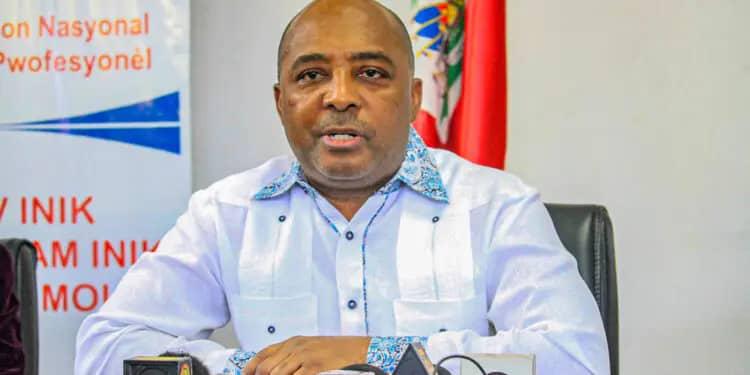
Port-au-Prince, March 14, 2026.- In an article published in Le Nouvelliste, Thursday, March 12, Nesmy Manigat, former Vice President of the North East Chamber of Commerce and former Minister of National Education and Vocational Training, alert on the budgetary gap between Haiti and the Dominican Republic.
Haiti, with nearly 12 million inhabitants, has a budget of about 2.6 billion US dollars and mobilizes nearly 2 billion tax revenues, or about 170 dollars per citizen. By comparison, the Dominican Republic has a budget of about $30 billion and 21 billion, or nearly $1,800 per capita. This gap is also reflected in public health spending: $151 million for Haiti compared to $2.8 billion for its neighbour.
According to Nesmy Manigat, the Dominican Republic has put in place a fiscal pact involving the state, the private sector, universities and civil society. This would have exceeded immediate political debates, increased the tax burden from 11.9 per cent to between 14 and 16 per cent of GDP, and made public investment more sustainable, enhancing resource mobilization and economic credibility.
Haiti, whose tax burden is estimated at about 6 per cent of GDP, has undertaken some reforms, including the modernization of customs and the digitization of the education information and management system. For the former Minister, the establishment of a national tax pact could structure these efforts, ensure transparency and traceability of resources, and ensure more stable funding for security, education and economic development.
According to Nesmy Manigat, the stability of the country depends largely on the state's ability to mobilize its public resources effectively. In his view, a national tax pact could strengthen governance, improve the quality of essential services and help restore the confidence of citizens and investors, laying the foundations for more sustainable development.
R.J.