

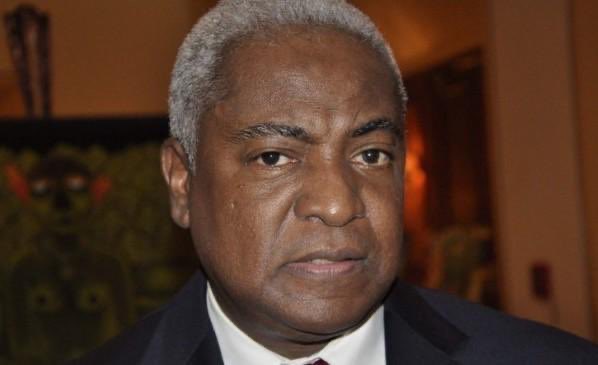






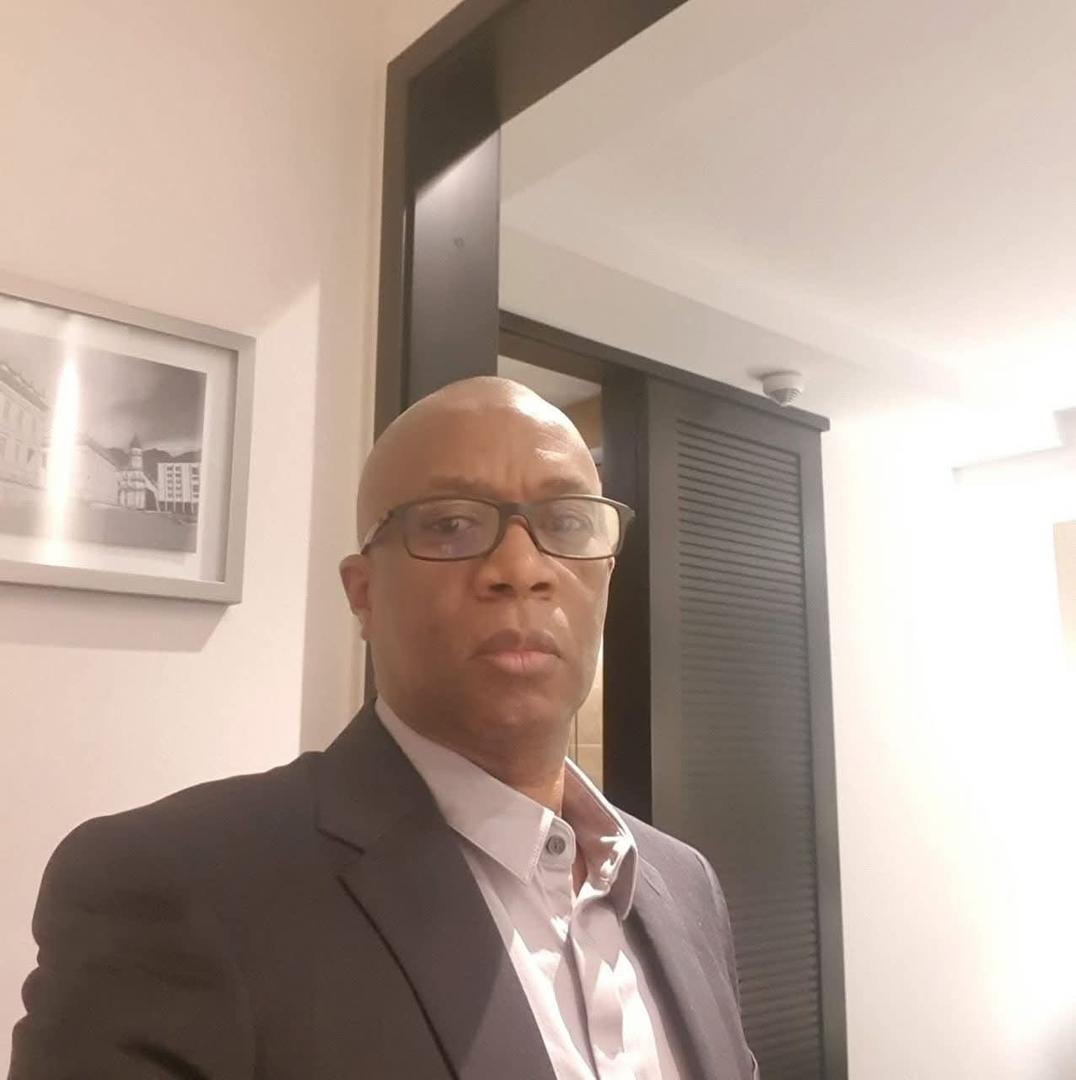
Journalist Ives Marie Channel
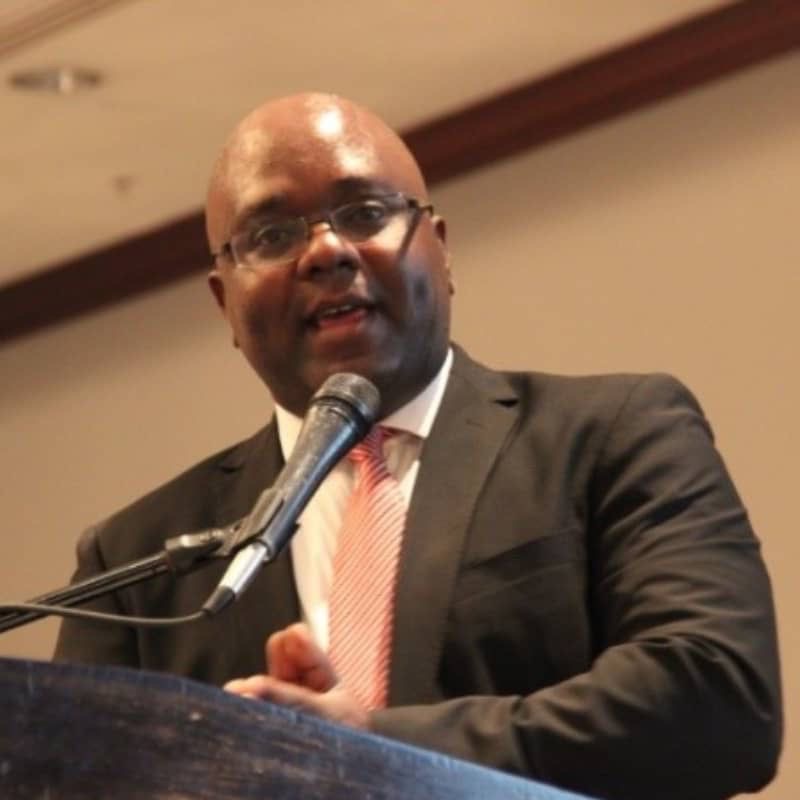
Port-au-Prince, January 12, 2026.- Invited this Monday to the program Magik 9, Ives Marie Chanel spoke at length about the situation of Cap-Haitien Boulevard, which he describes as the symbol of failing urban governance. Occupancy of sidewalks, authorisations granted without consistency, lack of consultation around the planned renovation project in 2026 and suspicions of conflicts of interest: the speaker gave a critical and detailed testimony.
On the microphone of Magik 9, this Monday, journalist Ives Marie Chanel returned to the evolution of the Boulevard du Cap-Haitien, recalling his initial design with clearly defined islets, sidewalks and traffic spaces. According to him, these developments have been progressively distorted by the occupation of sidewalks by private companies, transformed into car parks, bars or commercial spaces, often with the approval of municipal authorities.
Ives Marie Chanel explained that citizen initiatives to develop and embellish these public spaces, including the installation of benches, flowers and palm trees, have been discontinued, while permits have been issued for commercial buildings. He claims to have witnessed how these spaces were fragmented and exploited, to the detriment of pedestrian traffic and the collective interest.
He also stressed the lack of uniform rules in the application of urban planning standards. According to him, some owners strictly respect the boundaries of their plots, while others encroach on sidewalks without being disturbed. This would reflect, according to his remarks, a lack of leadership and coherence on the part of local and administrative authorities.
Referring to the renovation project of the Boulevard du Cap-Haïtien, announced in July 2026 with the support of foreign technical partners, Ives Marie Chanel deplored the lack of consultation with local actors, including departmental delegates. He questioned the ability of the authorities to ignore the existence of a plan under preparation, while ad hoc interventions continued to be carried out without a comprehensive vision.
In terms of safety, he drew attention to the absence of fire hydrants along a boulevard, which is several kilometres long, despite significant investments. A recent fire in a hotel area, he said, would have highlighted this major flaw in urban planning.
Finally, Ives Marie Chanel referred to the alleged existence of conflicts of interest involving certain administrative and security officials accused of maintaining links with companies located on the boulevard. In particular, he referred to incidents in commercial spaces, in his view increasing the confusion between public authority and private interests.
Through this intervention, Ives Marie Chanel calls for a more transparent, concerted and equitable management of the Boulevard du Cap-Haïtien, which he considers a strategic axis for the economic and urban development of the city.
W.A.