






CP: MCFDF
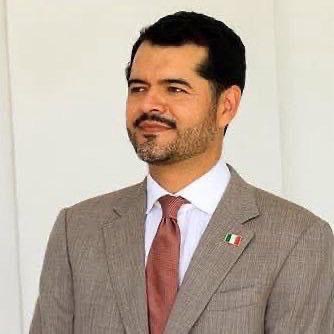
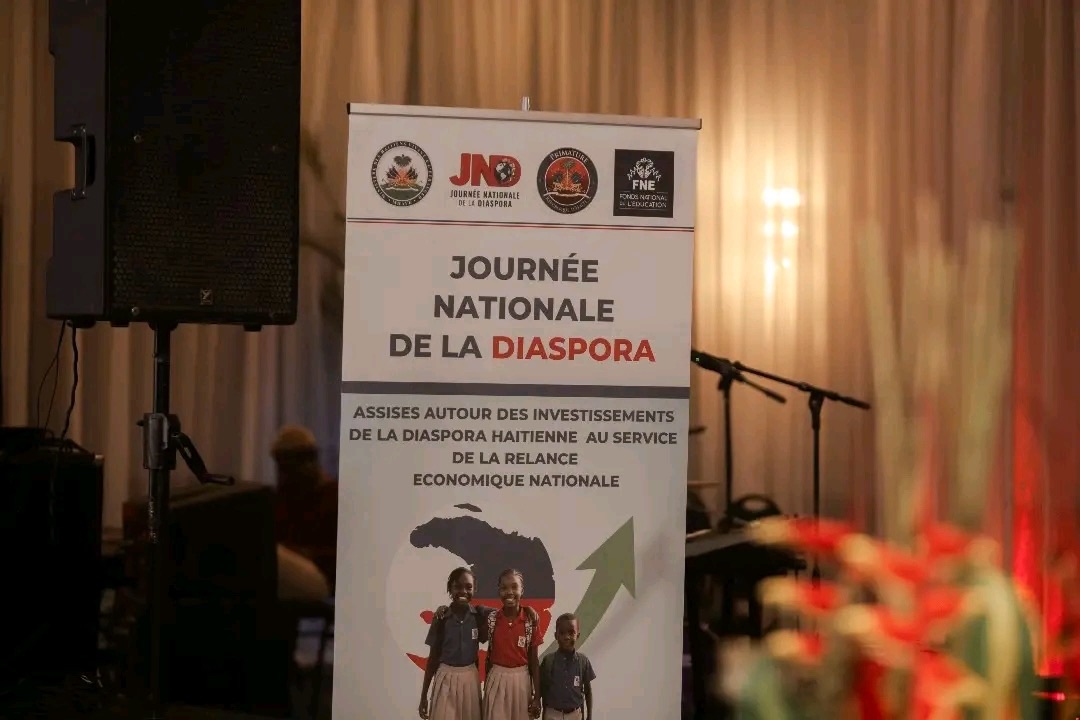
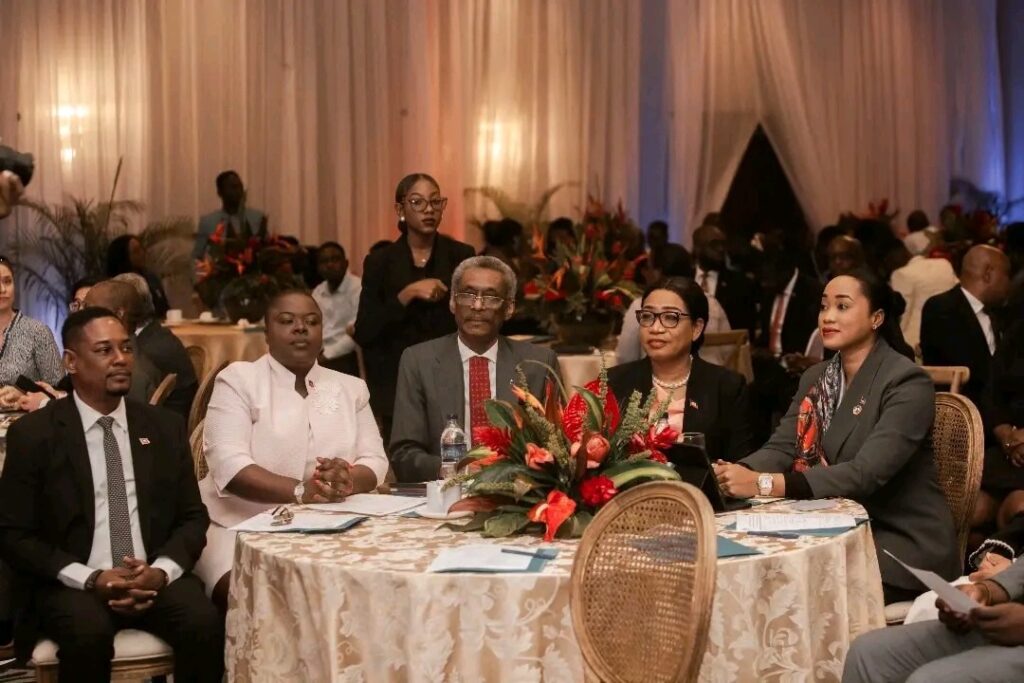
Port-au-Prince, April 20, 2026.- The 15th edition of the National Diaspora Day, celebrated this Monday, April 20, around the theme « Ayiti: sekirite, eleksyon, dyspora ap patisipe pour kore estabilite »brought together government authorities, diplomatic corps and institutional actors at the Karibe Convention Center. Organized under the aegis of the Ministry of Haitians Living Abroad (MHAVE), this day highlighted the central role of the diaspora in the economic stability of the country, while relaunching the debate on its effective participation in national governance.
The authorities present have recalled that the Haitian diaspora is today a key economic player. According to data from the Bank of the Republic of Haiti (BRH), remittances reached nearly $5 billion in 2025, representing about 20% of GDP. These resources, vital to millions of households, support consumption, education and daily survival, in a context where the state remains weakened by recurrent institutional and economic crises.
Beyond the financial aspect, several ministers stressed the need to transform this contribution into a structural lever for development. Tourism Minister Stéphanie Smith stressed that the diaspora should be seen as a « 21st century strategic pool », capable of promoting Haiti's image and attracting sustainable investment, particularly in the tourism and culture sectors.
In the same dynamic, the Minister for Women's Status and Women's Rights, Pedrica Saint Jean, highlighted the crucial role of women in the diaspora, which she considers to be essential actors of economic and social balance. She stressed the need to ensure their political participation and value their leadership in decision-making spaces.
For her part, MHAVE Minister, J.E. Kathia Verdier, reaffirmed that the diaspora remains an integral component of the Haitian nation, regardless of its location. It recalled that its sacrifices, commitment and commitment to the homeland constitute an important moral and historical capital. However, despite these converging discourses, the institutional reality reveals still limited integration: lack of a coherent legal framework for electoral participation, weak structured investment mechanisms, and lack of sustainable public policies to channel effectively the resources and skills of the diaspora.
Between official recognition and institutional reality, the Haitian diaspora remains at the heart of a paradox: indispensable for the economic survival of the country, but still insufficiently integrated into its governance. For experts as for several institutional actors, the real challenge no longer lies in the recognition of its importance, but in the capacity of the Haitian state to transform this vital link into a structured, sustainable and productive partnership. Without this transition, the diaspora will continue to be the essential engine that is still running empty in the national system.
R.J.
Ministry of Tourism/MHAVE/MCFDF