









France, 20 March 2026.- From 17 to 19 March 2026, the Clermont Auvergne University welcomed the « Carrefours de la Francophonie », a major international event dedicated to the transformation of languages, knowledge and university governance in the era of artificial intelligence. Researchers, institutional leaders and experts from Africa, Europe, Latin America and Haiti discussed issues of digital sovereignty, scientific cooperation and the reconfiguration of power relations on a global scale.
As part of the Semaine de la Francophonie, this edition 2026 of the « Carrefours de la Francophonie » has been established as a platform for strategic reflection on the profound changes that are now going through higher education and knowledge production. Organized around the theme « Languages and powers in the digital age »The event highlighted the growing role of artificial intelligence in redefining academic, linguistic and geopolitical balances.
Three days of exchanges between training, research and public debate
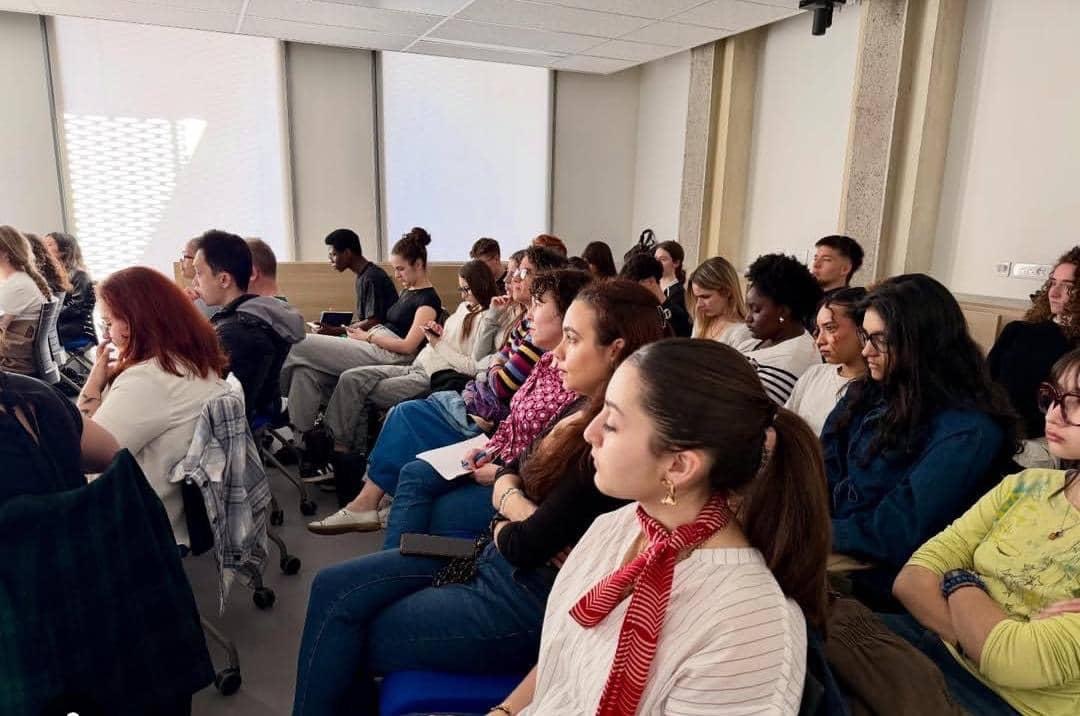
The activities began on Tuesday 17 March at the Carnot site with training for students from Clermont Auvergne University. Two intensive sessions were moderated by Patrick Attie and Tayana Picard, both of whom came from the Higher School of Infotronics of Haiti. Participants explored artificial intelligence tools, their practical uses, and methodologies adapted to educational research and innovation. Emphasis was placed on the integration of these technologies in educational contexts with limited resources, particularly in Haiti.
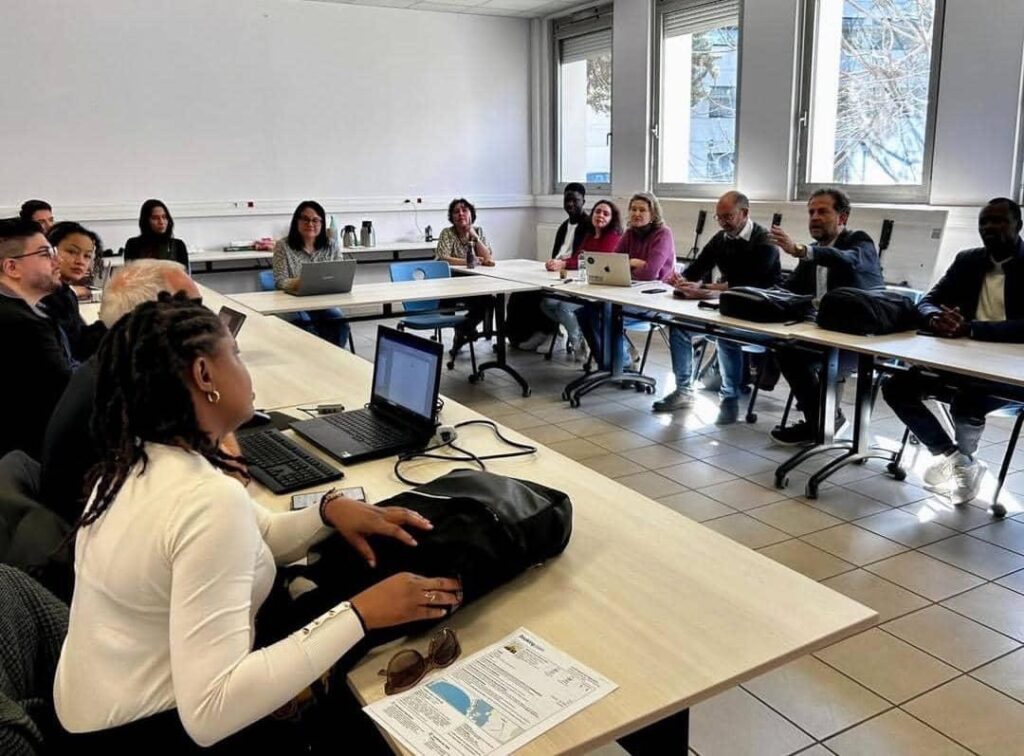
On Wednesday 18 March, a practical workshop open to the public was held at the House of Human Sciences in Clermont-Ferrand. Focused on « Artificial intelligence and plurilingualism: limitations and challenges »This exchange space has enabled us to address the linguistic biases of the AI systems and the risk of marginalisation of the less represented languages. Together with Patrick Attie, the discussions were enriched by the contributions of Michaël Grégoire (Laboratory for Language Research) and Aurelia Vasile, stressing the need for an inclusive approach to technological development.
19 March: debates at the heart of global issues
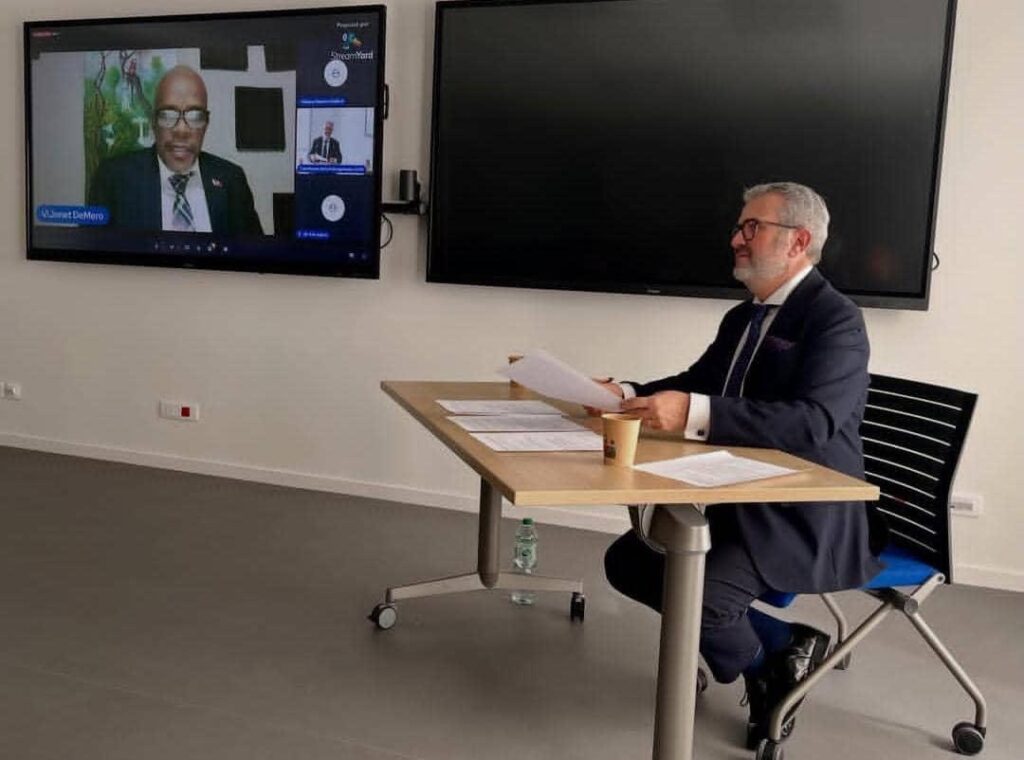
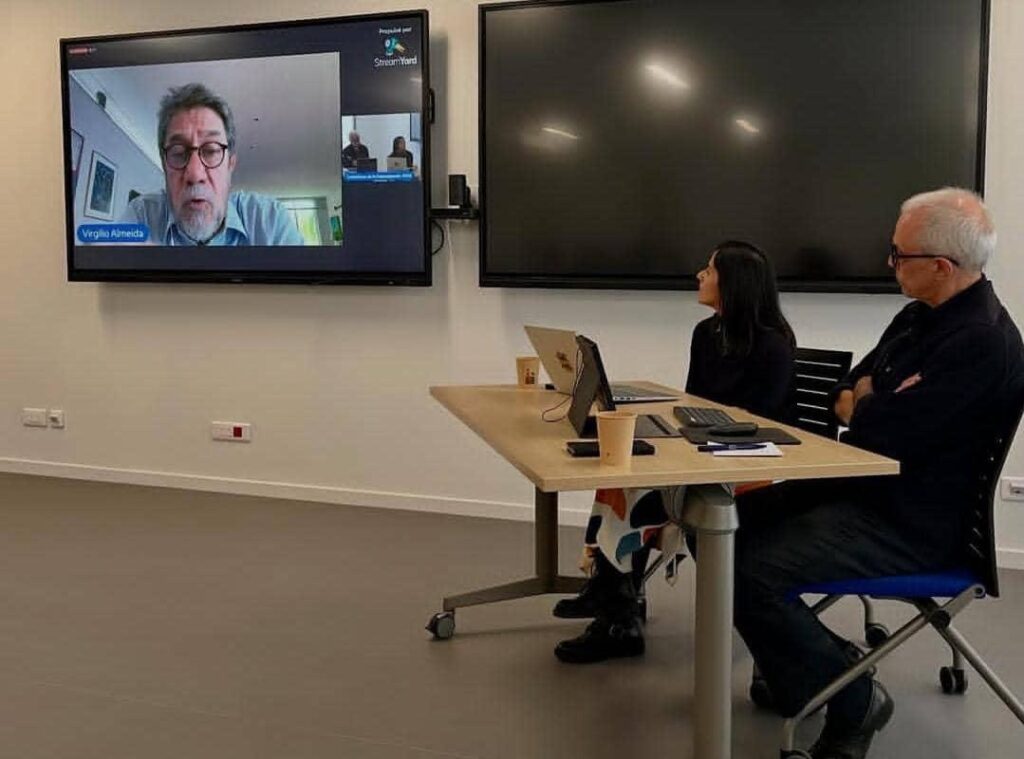
The highlight of the event took place on Thursday 19 March at the KAP Learning Centre with two major international conferences broadcast online.
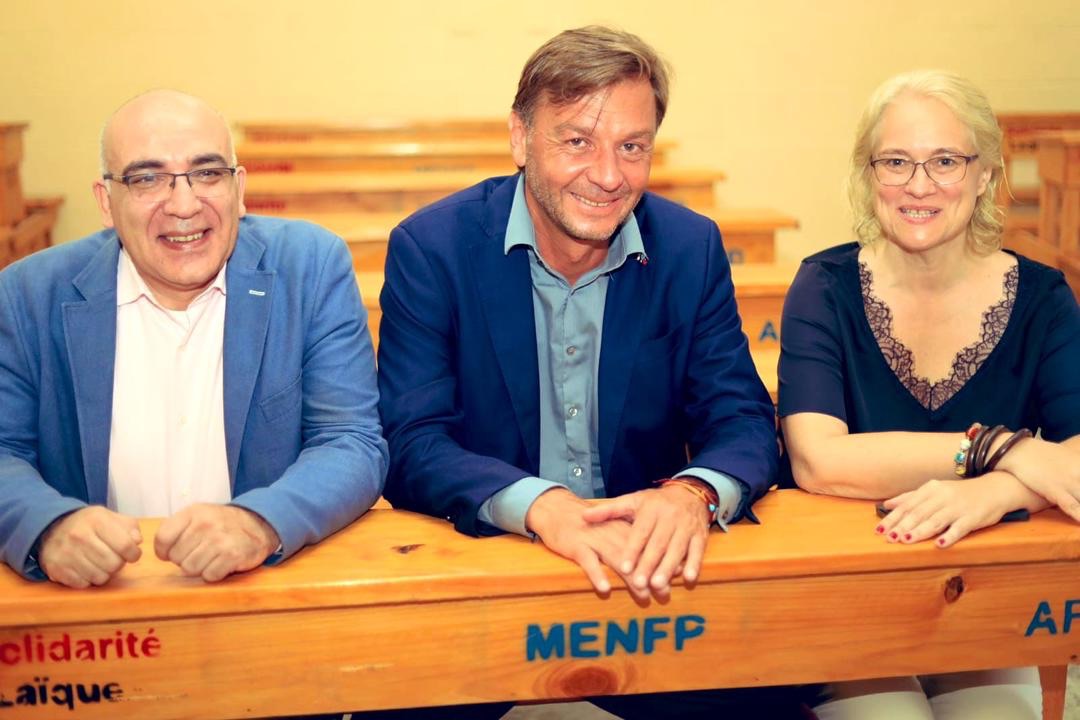
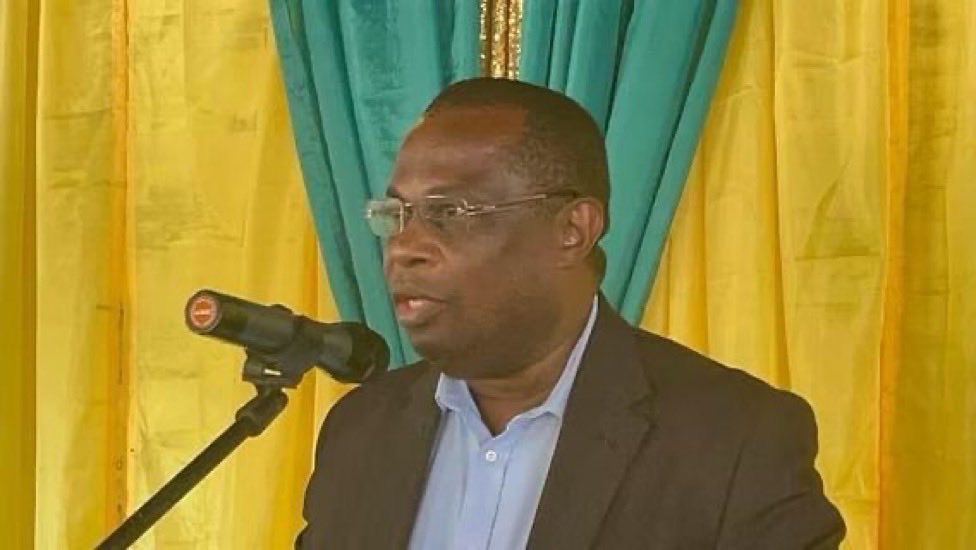
The first, entitled « Universities in the digital age: governance, knowledge and cooperation »has brought together leading institutional figures. Vijonet Demero, as Minister of National Education of Haiti, stressed the structural challenges faced by Haitian universities, particularly in terms of access to technology and human resources training. He called for enhanced cooperation within the Francophone space to reduce digital inequalities.
Along with him, Alioune Badara Kandji, Rector of the Sheikh Anta Diop University in Dakar and Chairman of the Board of Directors of the Agence universitaire de la Francophonie, highlighted the structuring role of Francophone university networks in the flow of knowledge and the strengthening of academic capacities in the South. He stressed the importance of university governance adapted to digital change.
Le troisième intervenant, Éric Adja, président de l’Agence francophone de l’intelligence artificielle, a abordé les enjeux de régulation et d’éthique de l’IA dans l’espace francophone. Il a notamment évoqué la nécessité de développer des infrastructures technologiques souveraines et des cadres normatifs propres aux réalités des pays francophones.
La conférence a été animée par Marc-Alexis Roquejoffre, spécialiste de l’information et de la communication, qui a orienté les échanges vers les perspectives concrètes de coopération universitaire.
Intelligence artificielle et recomposition du pouvoir mondial
La seconde conférence, tenue en anglais, s’est concentrée sur « Algorithms, Artificial Intelligence and the Reconfiguration of Global Power ». Elle a réuni des experts internationaux issus de différents continents.
Virgílio Almeida, professeur à l’Universidade Federal de Minas Gerais, est reconnu pour ses travaux sur la gouvernance de l’internet et les politiques publiques du numérique. Il a analysé l’influence croissante des grandes plateformes technologiques dans la structuration du pouvoir mondial.
À ses côtés, Lars Leer, de la Western Norway University of Applied Sciences, a apporté une perspective européenne sur les politiques d’innovation et la régulation des technologies émergentes.
Enfin, Patrick Attié a représenté Haïti en mettant en avant les défis spécifiques des pays en développement face à l’IA, notamment en termes d’infrastructures, de formation et d’accès aux données.
La modération a été assurée par Thaís Pinheiro Correa et Guilherme Adorno, membres du CELIS, qui ont facilité un dialogue interdisciplinaire entre les intervenants.
Une réflexion stratégique pour l’avenir de la Francophonie
À travers ces trois journées, les « Carrefours de la Francophonie 2026 » ont mis en évidence une réalité incontournable : l’intelligence artificielle redéfinit non seulement les pratiques académiques, mais aussi les rapports de pouvoir entre États, institutions et langues.
L’événement a également souligné l’urgence pour les pays francophones, notamment ceux du Sud comme Haïti, de s’approprier ces technologies afin d’éviter une marginalisation accrue dans l’économie mondiale du savoir. La question de la souveraineté numérique, de la diversité linguistique et de la coopération scientifique apparaît désormais comme centrale dans les politiques publiques.
En réunissant des acteurs clés du monde académique et institutionnel, l’Université Clermont Auvergne confirme son rôle de carrefour intellectuel au sein de l’espace francophone, à un moment charnière où le numérique redessine les contours du savoir et du pouvoir.
W.A.