

















Samuel Madistin
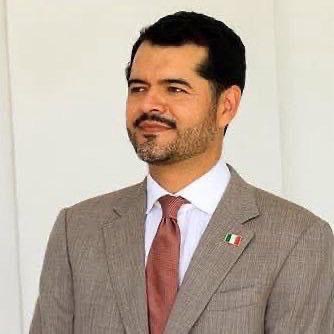
Port-au-Prince, March 9, 2026.- La Fondasyon Je Klere (FJKL) strongly criticizes a contract signed on December 15, 2025 between the Haitian state and the company Metric Facility S.A., associated with Metric Management Inc. and Transcaribbean Energy Partners & Consulting S.A., concerning the construction and operation of three prisons in Haiti. Speaking this Monday, March 9, 2026 on Radio Magik9, the organisation's leader, Samuel Madistin, denounced an agreement which he considered unfavourable to the interests of the State and which could increase public debt for several decades.
The project, estimated at $85.4 million, provides for the construction of three modern prisons in Source Matelas (Arcahaie), Fort-Liberté and Jacmel. According to the terms mentioned by the FJKL, the concessionaire would finance directly only about 25% of the total cost, i.e. almost $20 million, while the rest could be obtained by borrowing with guarantees from the Haitian State.
In his radio intervention, Mr. Samuel Madistin explained that these prisons would have a total capacity of approximately 15,000 prisoners and that the State would commit to pay the private firm US$22 per day per detainee for a period of 50 years. He also states that the contract would include a minimum occupancy guarantee of 75 per cent, which would require the State to pay even if the establishments were not fully occupied.
For the head of the FJKL, such a commitment is a worrying transfer of regal responsibilities to a private company, particularly in the areas of security and prison management. He believes that a provisional government should not engage the country in such a long contract, even referring to the risk of replicating historic decisions with economic consequences for Haiti.
Mr Madistin also claimed that the Superior Court of Auditors and Administrative Litigation had issued several adverse opinions on the draft, in particular because of the absence of tender and the potential financial risks to the State. According to him, these reservations demonstrate that « State interests are not sufficiently protected » in this Convention.
W.A.