














New York, February 9, 2026.- Every day, nearly 800 women die from pregnancy and childbirth complications, often preventable. Despite the progress of recent decades, many mothers continue to lose their lives because of bleeding, infections or various complications. These deaths underscore the urgency of strengthening health systems and ensuring universal access to safe and quality maternal care. UNFPA is mobilizing around the world to achieve this crucial mission.
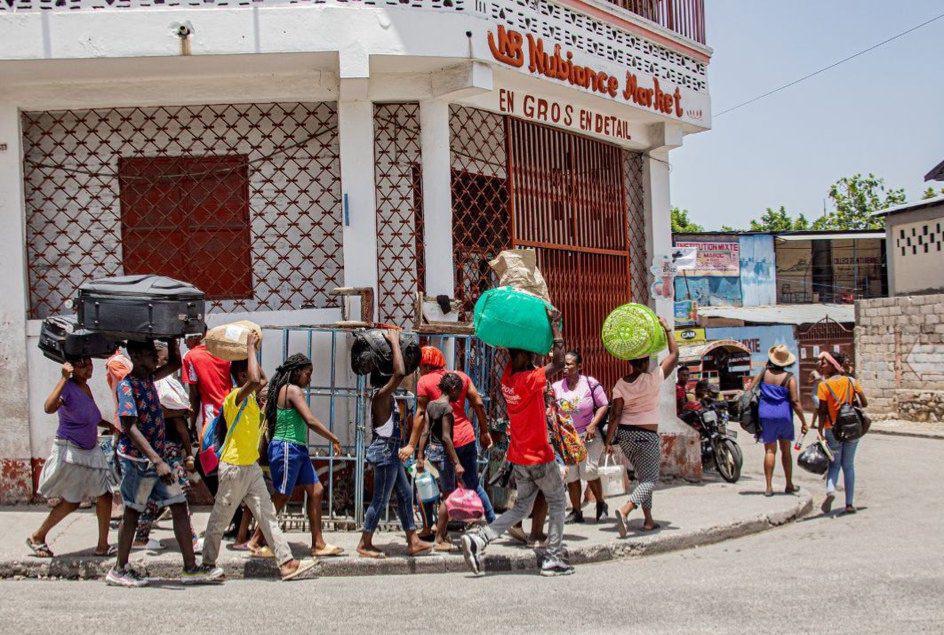
According to the World Health Organization, between 20 and 30 other women suffer from serious sequelae for each deceased woman. In Haiti, according to data from Médecins sans Frontières (MSF), the situation is particularly critical: between February 2022 and April 2025, the maternal mortality rate in hospitals rose from 250 to 350 per 100,000 live births, and nearly 60 per cent of births in Port-au-Prince take place without medical assistance, greatly increasing the risk of complications such as haemorrhage, infections and hypertension. Violence and insecurity have also led to the closure of several health facilities, reducing access to essential care.
In response to this crisis, the United Nations Population Fund (UNFPA) is deploying its programmes in over 150 countries and territories, training health workers, improving the availability of essential drugs and strengthening health care systems. The organization works closely with Governments and civil society to promote sexual and reproductive rights, ensure safe delivery and reduce maternal mortality. These efforts also help protect children and support the well-being of families.
Maternal mortality is a public health and human rights issue. Most maternal deaths and injuries can be prevented through adequate access to care and targeted interventions. Ensuring safe motherhood is not just a health issue: it is an essential condition for sustainable development and gender equality worldwide.
R.J.