



















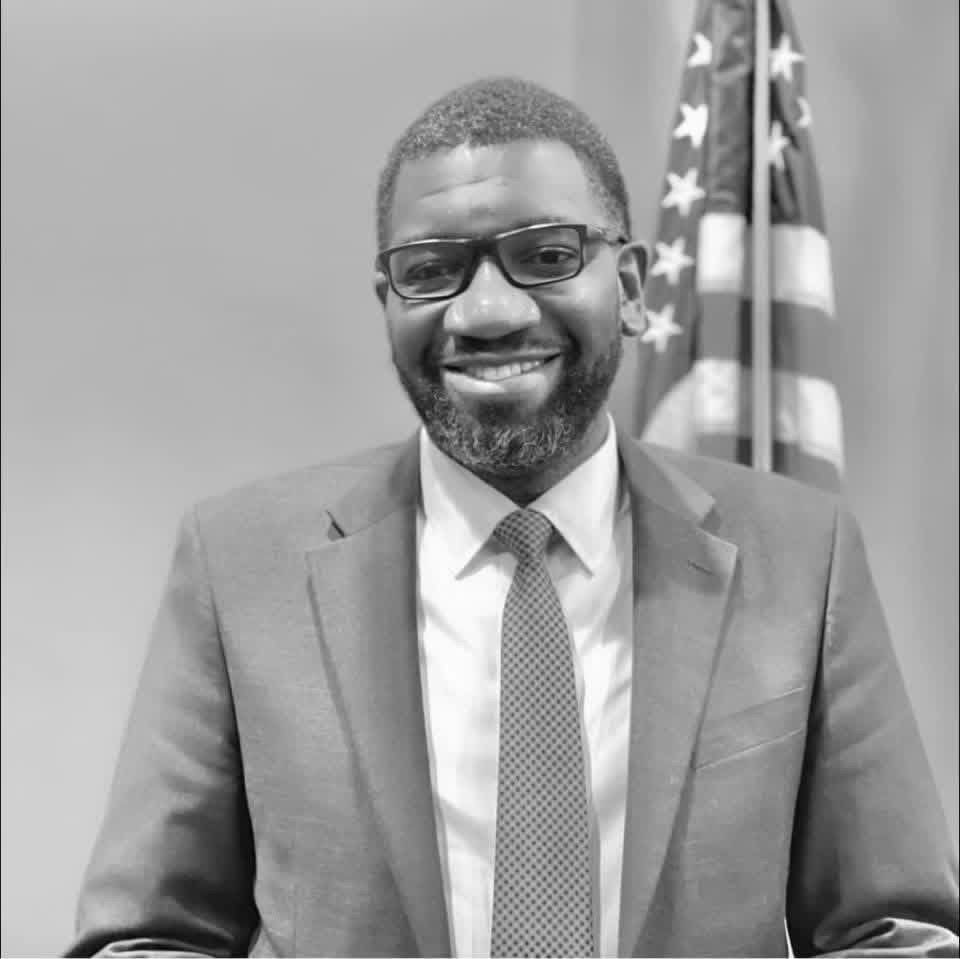
Mr. Strandley Denis Julien
Washington, March 17, 2026.- Invited to the show Panel Magik on Magik 9 Tuesday, March 17, 2026, lawyer Frandley Denis Julien strongly criticized the US government's position on the Temporary Protection Status (TPS) file. It considers that the urgent argument put forward to end the programme is unfounded, legally fragile and potentially tainted by discriminatory considerations. The Supreme Court decision could have major consequences for thousands of beneficiaries, including Haitians.
One «emergency» contested
According to Denis Julien, the US government abused the urgent argument to justify certain GST-related decisions. He argues that no concrete facts demonstrate an immediate danger requiring such drastic measures.
« The argument that there would be irreparable damage if beneficiaries were not immediately expelled did not convince »he explained, recalling that some similar situations have never justified such haste.
A procedurally focused legal battle
Counsel points out that the core of the dispute is not only the decision to terminate the GST, but above all the process used by the U.S. administration.
He argues that:
- the government failed to comply with the required administrative procedures;
- the decision was not sufficiently motivated by an independent and country-specific analysis;
- The lower courts were seized to challenge this procedural irregularity.
Supreme Court faced with credibility challenge
For Denis Julien, the case goes beyond the mere migration framework and touches on the very credibility of the US Supreme Court.
There are two main options:
- Confirm lower court decisions and maintain the GST;
- Or validate the government's position, at the risk of endorsing a judged approach «non-competitive» Legally.
He even referred to precedents where judges had refused to follow government arguments deemed too weak.
A possible constitutional and discriminatory dimension
Among the arguments put forward, Denis Julien puts forward a major constitutional question:
- The 13 countries affected by the end of the GST would be mostly non-white;
- This situation could reveal a discriminatory bias in the government decision.
He recalled that the GST had been conceived as a humanitarian and foreign policy instrument to protect nationals of countries in crisis.
The case of Haiti at the heart of concerns
Regarding Haiti, the lawyer insists on the gap between the reality of the country and the arguments put forward to end the GST.
In particular, it highlights:
- A continuing security and humanitarian crisis;
- High rate of internally displaced persons;
- The lack of evidence to demonstrate a significant improvement in the situation.
According to him, these elements further weaken the position of the US administration.
A case with high political stakes
Finally, Mr Denis Julien refers to broader political considerations, in particular linked to strategic orientations such as the «Project 2025», which is intended to restrict the use of the GST in the future.
He warned that even in the event of a victory in court, the program could be challenged by subsequent political decisions.
L’intervention de Me Frandley Denis Julien met en lumière un dossier complexe où s’entremêlent droit administratif, enjeux constitutionnels et considérations politiques. La décision de la Cour suprême sera déterminante non seulement pour les bénéficiaires du TPS, mais aussi pour l’avenir de cet outil juridique.
W.A.