


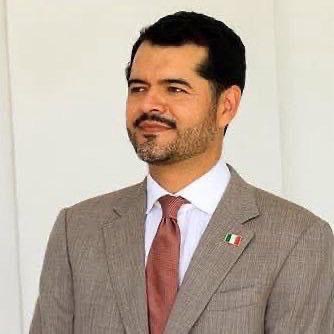






Me Eddy Laguerre
Washington, le 31 mars 2026.- Invité sur Radio Magik 9 ce 31 mars, Me Eddy Laguerre a analysé les récents développements autour du dossier du TPS pour Haïti. Entre le succès symbolique de la pétition de décharge à la Chambre des représentants et les incertitudes liées au Sénat américain et au contexte politique, il appelle à la vigilance et à la mobilisation de la communauté haïtienne.
Le dossier du Statut de Protection Temporaire (TPS) pour Haïti connaît une avancée notable aux États-Unis avec le dépôt d’une pétition de décharge à la Chambre des représentants. Selon Me Eddy Laguerre, cette démarche revêt une double importance.
Sur le plan politique, elle traduit l’existence d’une majorité au sein de la Chambre favorable à la prise en compte du dossier haïtien. En effet, la pétition de décharge permet de contourner certains blocages institutionnels et d’amener directement un texte au vote, ce qui constitue un signal fort du soutien dont bénéficie la cause.
Sur le plan judiciaire, cette avancée pourrait également influencer indirectement les débats devant la Cour suprême, en montrant que le pouvoir législatif considère le TPS comme une question d’intérêt national nécessitant une attention particulière. Cela renforce ainsi le poids des arguments en faveur de son maintien.
Toutefois, malgré cette progression, le processus législatif reste incertain. Une fois adopté à la Chambre, le texte doit être transmis au Sénat, où aucun délai strict n’impose un vote rapide. Me Laguerre souligne que le contexte politique américain, marqué par des priorités telles que les tensions internationales, les enjeux budgétaires et les crises internes, pourrait ralentir l’examen du dossier.
Par ailleurs, les élections de mi-mandat constituent un facteur déterminant. Si les démocrates ont des chances de reprendre la majorité à la Chambre, la situation au Sénat demeure plus incertaine. Cette configuration politique influencera directement les perspectives d’adoption d’une mesure favorable au TPS.
Enfin, Me Laguerre insiste sur l’importance de la mobilisation de la communauté haïtienne aux États-Unis. Dans un contexte où les décisions sont fortement influencées par les dynamiques politiques internes, la pression citoyenne et le plaidoyer restent des leviers essentiels pour faire avancer le dossier.
W.A.