
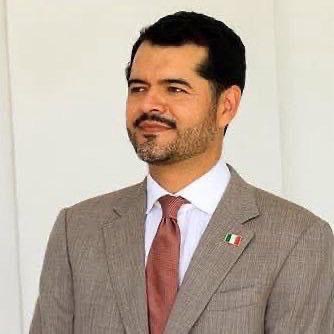









Venezuelan Interior Minister Diosdado Cabell•©️Reuters
Caracas, January 7, 2026.- After the fall of Nicolás Maduro, Diosdado Cabello, Minister of Interior and pillar of the Venezuelan security system, finds himself under pressure from Washington. According to sources close to the case, he could face sanctions or prosecution if he refused to cooperate with the interim government. Its position at the heart of the security forces and its influence on the country's top officials illustrate the challenges of a political transition that is still fragile.
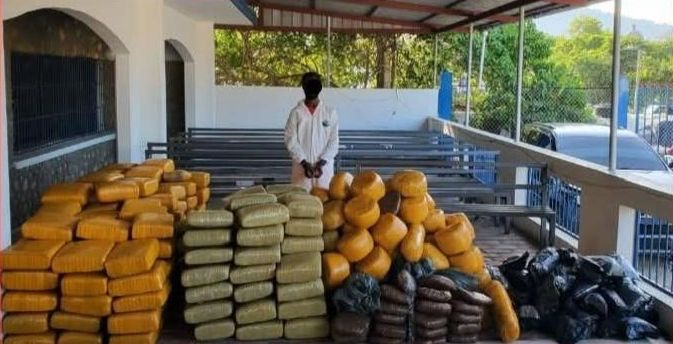
The US authorities have transmitted via indirect channels that Cabello could be subject to similar sanctions to those against Maduro if he refused to cooperate. This strategy is part of a broader objective: to revive the oil sector, to strengthen security, to combat drug trafficking, while avoiding a power vacuum that could cause unrest. Other senior officials, including Defence Minister Vladimir Padrino, are also under surveillance. Washington is seeking their cooperation to prevent internal factions from impeding the transition.
However, the ability of the United States to control this transition remains uncertain. Without direct military presence, they depend on the collaboration of a security apparatus still largely loyal to the old regime. This strategy involves risks: the resistance of internal forces and the maintenance of a firmly anchored power network make Venezuela's political future unpredictable.
R.J. with Reuters