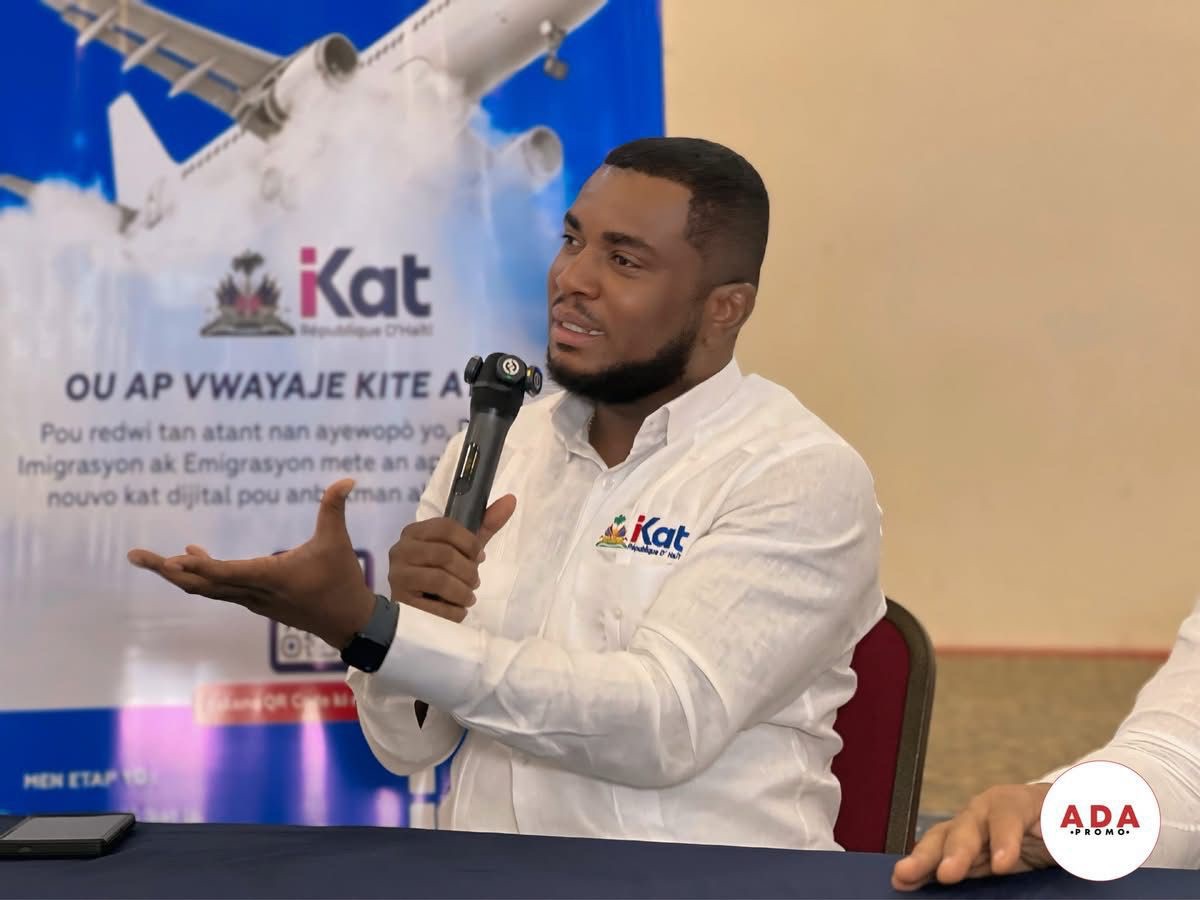


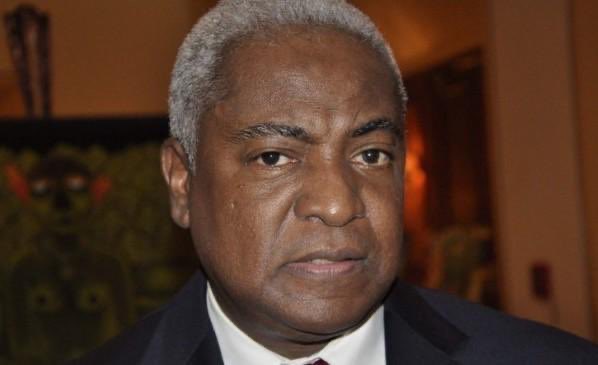

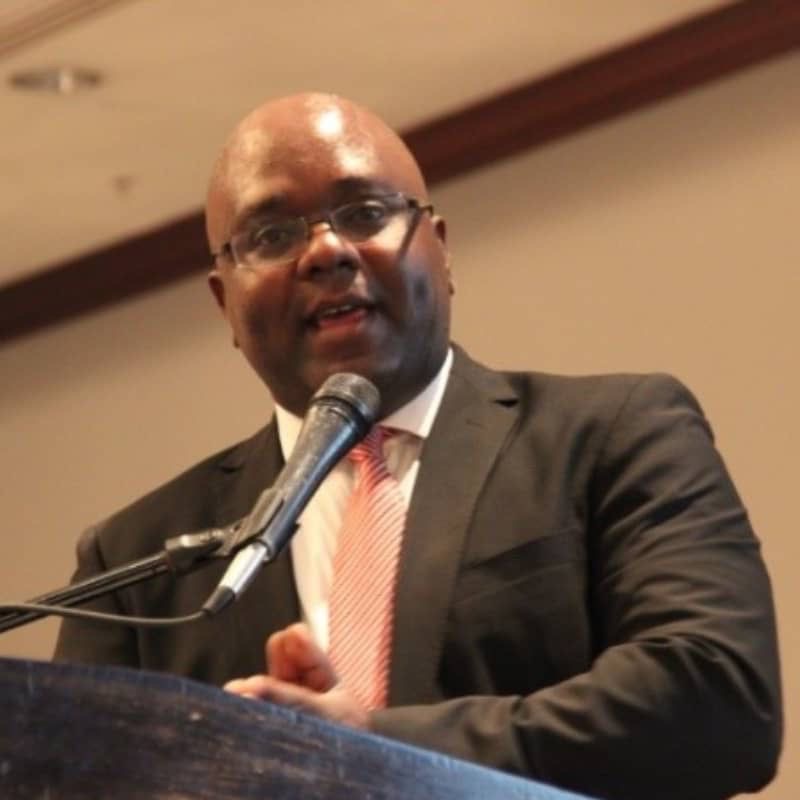

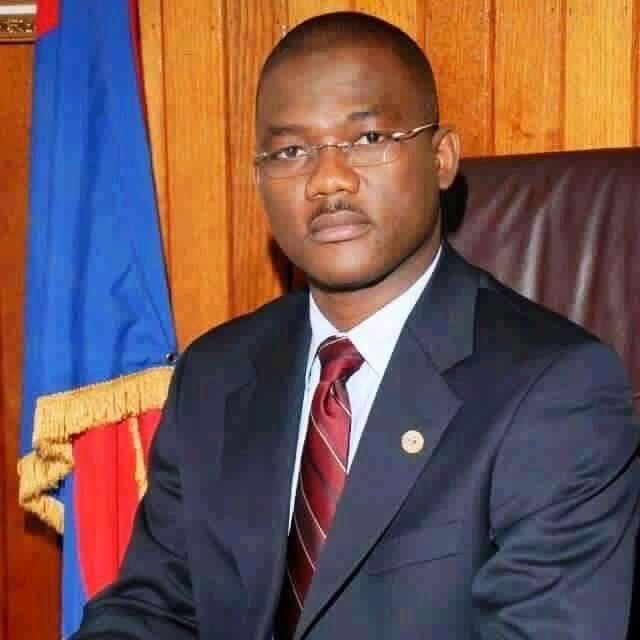







The economist Kesner Pharel/©️D.R.
Port-au-prince, 30 June 2025.- As artificial intelligence upsets the world economy, Haiti seems to remain at the dock, hampered by persistent structural challenges. The economist Kesner Pharel, speaking on Magik 9 radio this Monday, 30 June, warned about the growing digital divide, calling for the creation of a true technological ecosystem. These reflections were shared in the framework of the very first National Summit on Artificial Intelligence, Ayiti IA 2025, held at the Karibe Hotel in Petion-Ville.
«The global digital revolution is accelerating, driven by spectacular advances in artificial intelligence (AI). Meanwhile, Haiti still struggles to lay the foundations for integrating this global transformation»This is what economist Kesner Pharel recalled.
« While the world is downstream, powered by artificial intelligence, we in Haiti still have to solve fundamental problems upstream »he lamented, in particular, the energy deficit, low Internet connectivity and the absence of an enabling environment for technological innovation.
For Kesner Pharel, it is urgent to « creating an ecosystem, an entire value chain », so that the country can claim a place in the technology train. This requires a strong political will, targeted investment and coordination between the public, private and academic sectors.
Organized by the Bank of the Republic of Haiti (BRH), the Ministry of Economy and Finance (MEF), with the support of the United Nations Development Programme (UNDP), Kenari and the Growth Group, the Ayiti IA 2025 Summit was held on Friday, June 27 at the Karibe Hotel, around the theme: « Artificial intelligence: catalyst of Haitian metamorphosis by his youth ».
The event brought together over 500 participants from universities, public institutions, private companies and civil society organisations. Two major round tables explored opportunities and challenges related to AI, while stressing the need for digital inclusion based on ethics and Haitian youth.
Between potential and delay
While the ambitions displayed are promising, Kesner Pharel points out that the integration of AI cannot be achieved without solid infrastructures: « It is not enough to import concepts. We must build, adapt, and above all create a sustainable dynamic locally. »
The economist is not without hope, but his message remains clear: without a strategic and urgent catch-up of the accumulated delays, Haiti risks being a spectator of the fourth industrial revolution, instead of being an actress.
The Ayiti IA 2025 Summit is a symbolic step towards national digital ambition. However, as Kesner Pharel points out, the real answer to the question lies in Haiti's ability to solve its structural challenges: « Will we be able to join the technology train? »
WA