



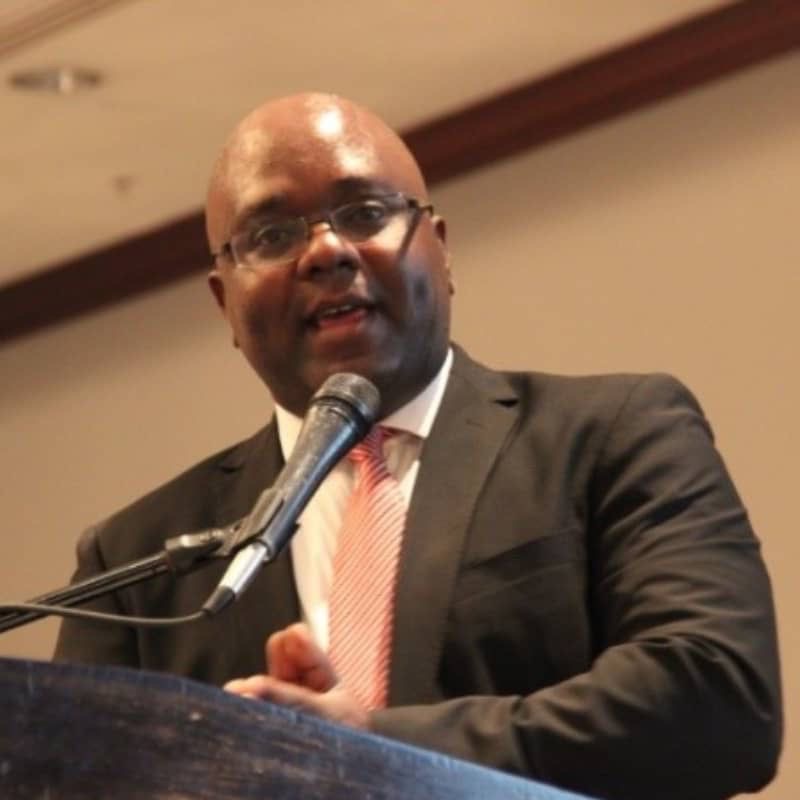









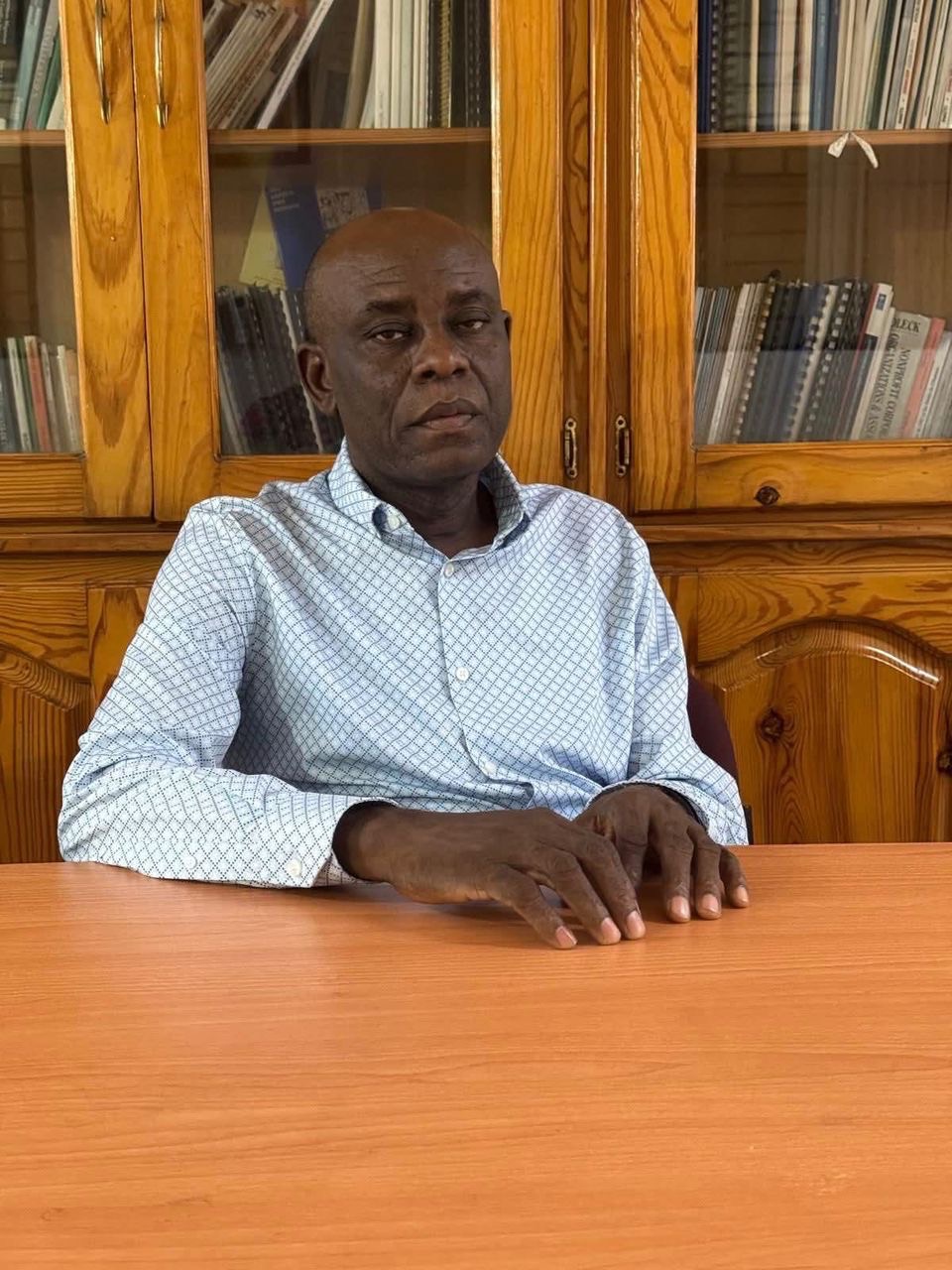
RNDDH Executive Director, Pierre Espérance
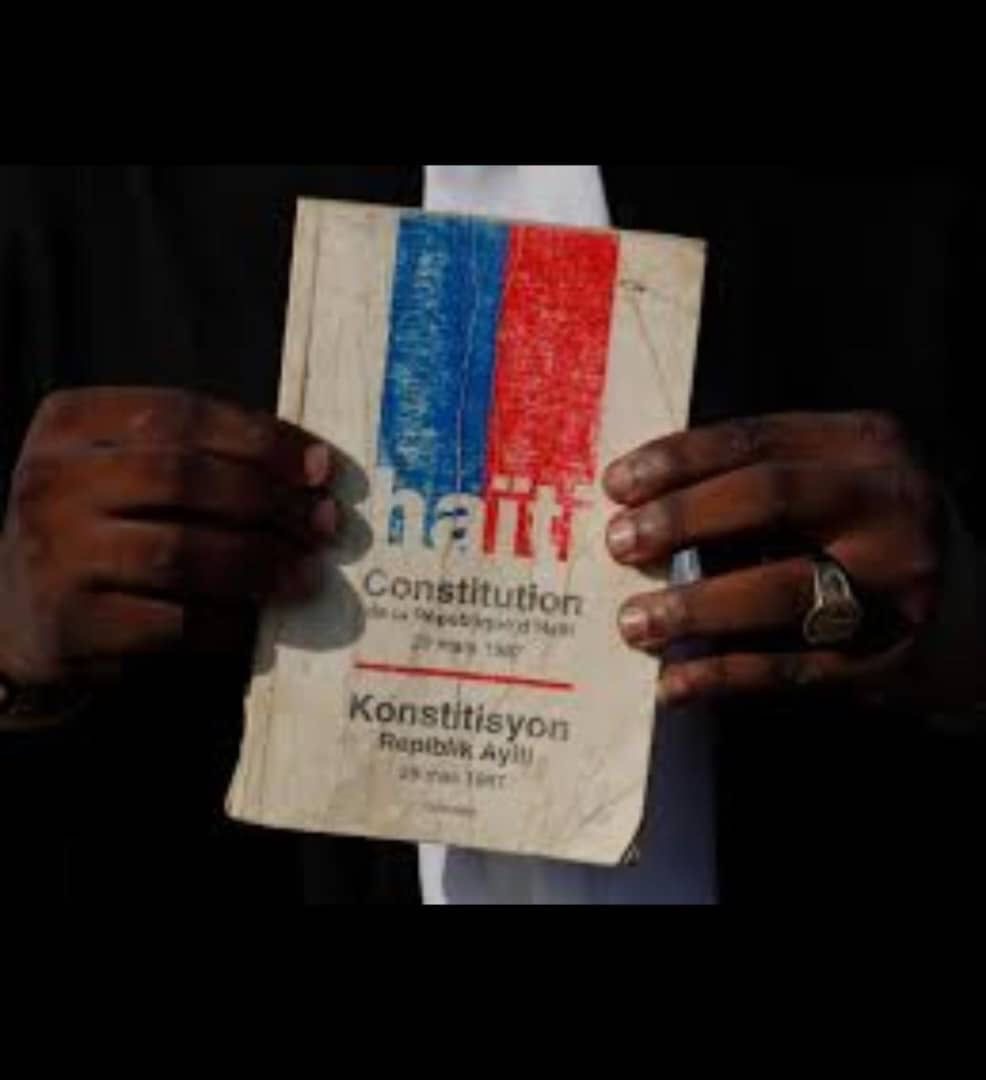
Port-au-Prince, January 22, 2026.- Speaking this Thursday, 22 January on Radio Magik 9, in the show Panel Magik, the Executive Director of the National Network for the Defense of Human Rights (RNDDH), Pierre Espérance, revealed that five members of the Transitional Presidential Council (CPT) would have signed a resolution to dismiss Prime Minister Alix Didier Fils Aimé, the day after the formal warning from the US Embassy. He denounced an attempt to take control of the executive power and called for an immediate reaction from the law enforcement forces and the CPT president.
The political crisis is intensifying in the Transitional Presidential Council. According to the statements of Pierre Espérance, Executive Director of the RNDDH, five CPT advisers reportedly passed a resolution to revoke Prime Minister Alix Didier Fils Aimé. This initiative would take place in a particularly sensitive context, marked by the warning issued the previous day by the United States Embassy against any change in the composition of the government.
The signatories to the resolution were Smith Augustin, Louis Gérald Gilles, Leslie Voltaire, Fritz Jean and Edgard Leblanc. For Pierre Espérance, this approach reflects a clear will of some advisers to seize the executive power, in particular with the aim of replacing key officials of the public administration, in particular the general directors of the Anti-Corruption Unit (ULCC) and the National Police of Haiti (PNH).
In the face of what he describes as a dangerous maneuver for institutional stability, the RNDDH leader has urged the security forces to take control of the Villa d'Accommod, the headquarters of the executive power, in order to prevent any drift or political confrontation.
Pierre Espérance also urged the President of the CPT to strongly oppose this resolution, believing that it goes against the national interest and risks further aggravating the country's security and political crisis.
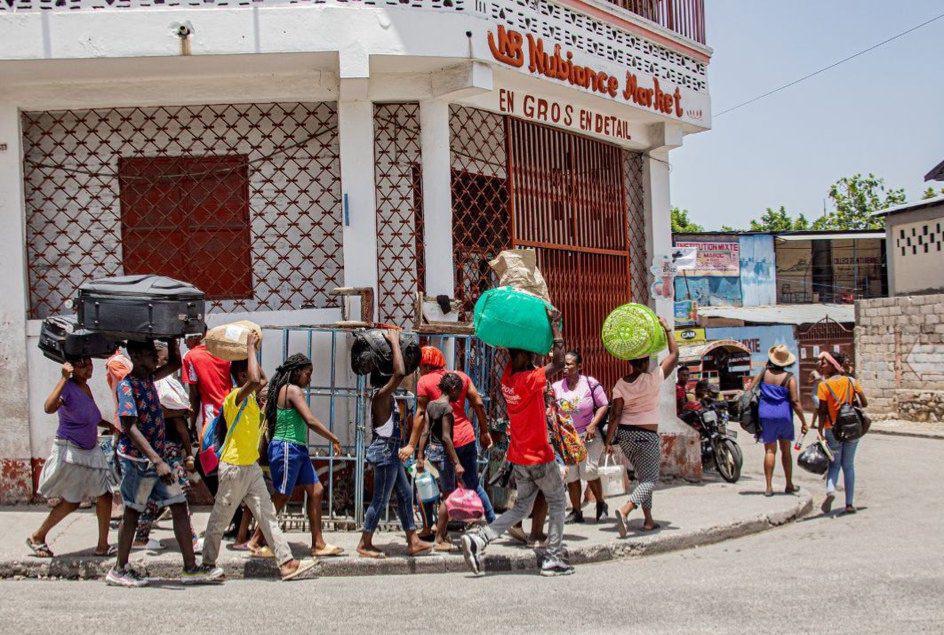
These revelations occur while the Haitian transition is under close international surveillance, and reinforce concerns about the fragility of the ongoing process, already undermined by insecurity, power struggles and the lack of political consensus.
W.A.