

















Port-au-Prince, September 7, 2025.- As the Caribbean region enters the peak of the hurricane season, Haiti remains one of the most exposed countries in the world to the risks of natural disasters, due to its geographical position, but also its structural and institutional fragility.
Every year, between August and October, the Caribbean basin experiences an intensification of extreme weather events. For Haiti, this period represents a moment of great vigilance: hurricanes, storms, floods and landslides directly threaten the population and the national economy. According to the World Bank, more than 93 per cent of the territory's surface area and 96 per cent of the Haitian population are at least at risk of disaster.
International indicators place Haiti fifth in the world in terms of exposure to disasters. Since 1980, natural events have resulted in more than 230,000 deaths and economic losses estimated at approximately $9 billion.
The comparison with the Dominican Republic, neighbouring the island of Hispaniola, highlights significant differences: despite a similar number of storms, Haiti recorded twice as many floods and much heavier human and material losses.
This situation is explained by several internal factors:
Solid deforestation favouring erosion and rapid floods;
Uncontrolled rural exodus leading to precarious urbanization;
Weak infrastructure and construction codes often not respected;
Lack of economic diversification, making certain regions particularly vulnerable to hazards.
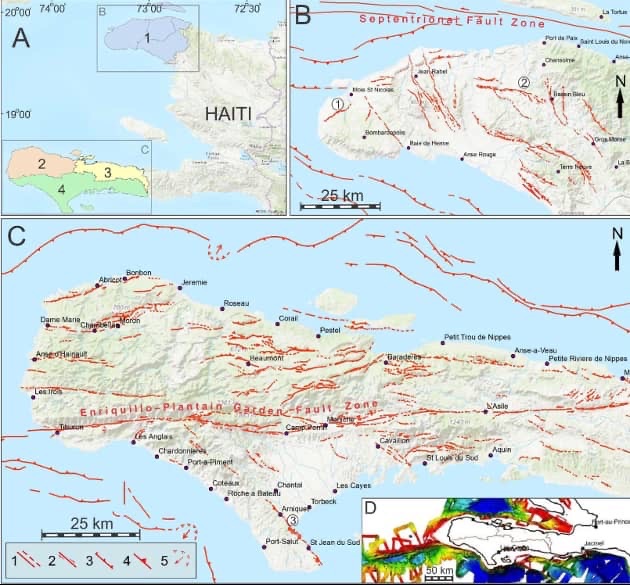
To these structural causes is added the location of Haiti on active seismic and cyclonic zones. Thus, the combination of natural and institutional factors explains the country's high vulnerability.
In this month of September, when the North Atlantic reaches its cyclonic peak, the threat is particularly high for Haiti. Faced with this reality, disaster risk reduction requires not only better community and institutional preparation, but also strong public policies on reforestation, urban planning, construction and environmental management.
Haiti's resilience depends not only on relief after the tragedy, but above all on the country's ability to anticipate, prevent and mitigate the impact of these recurrent disasters.
R.J.