



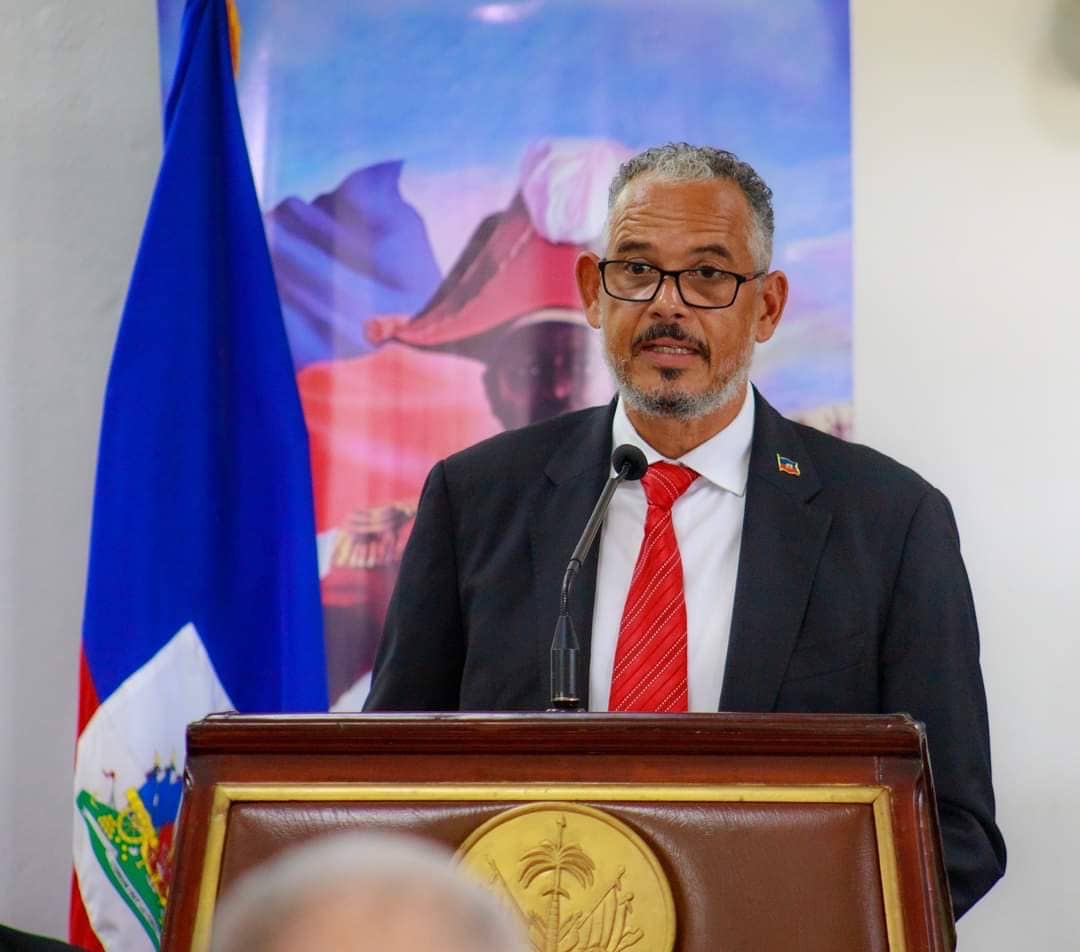
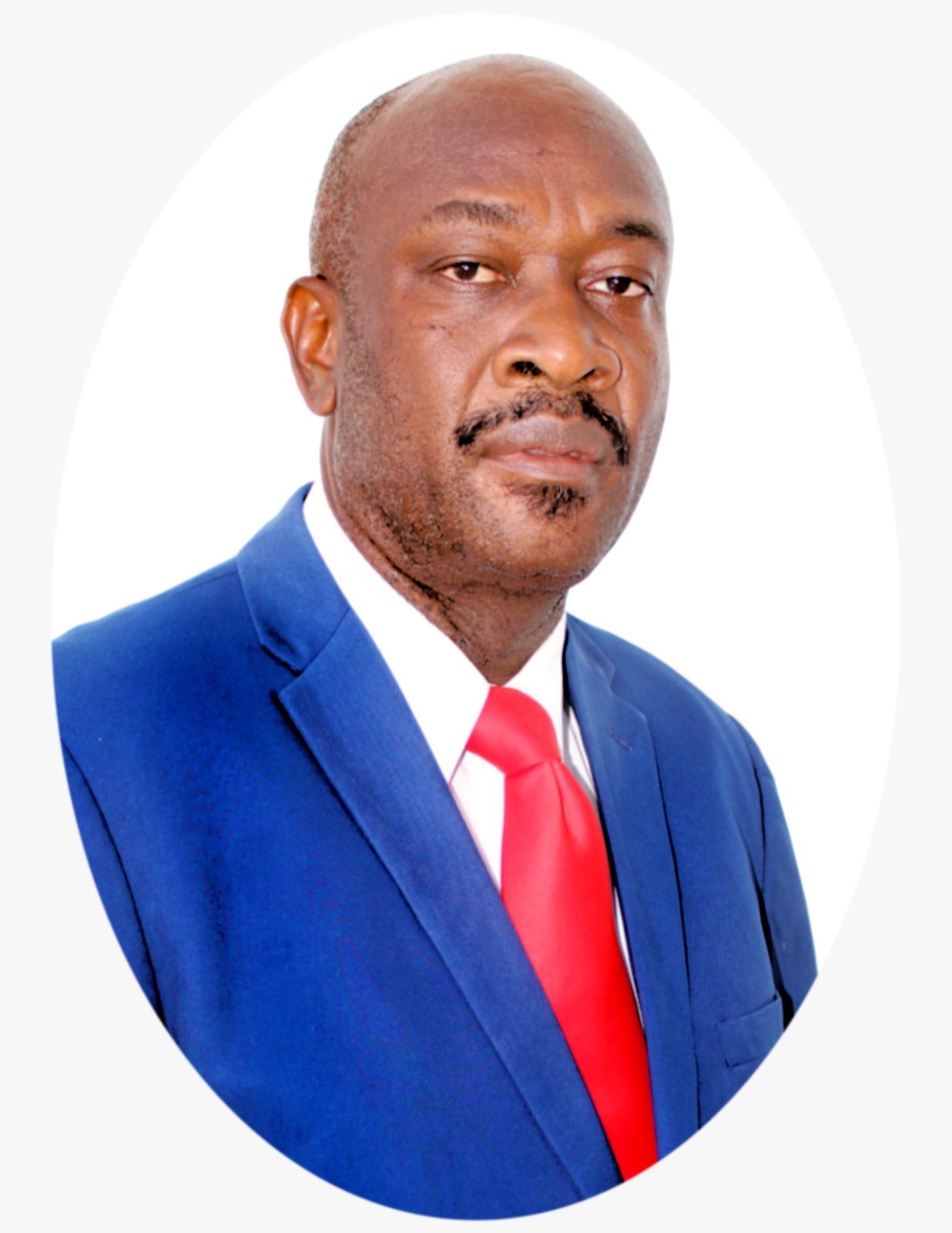
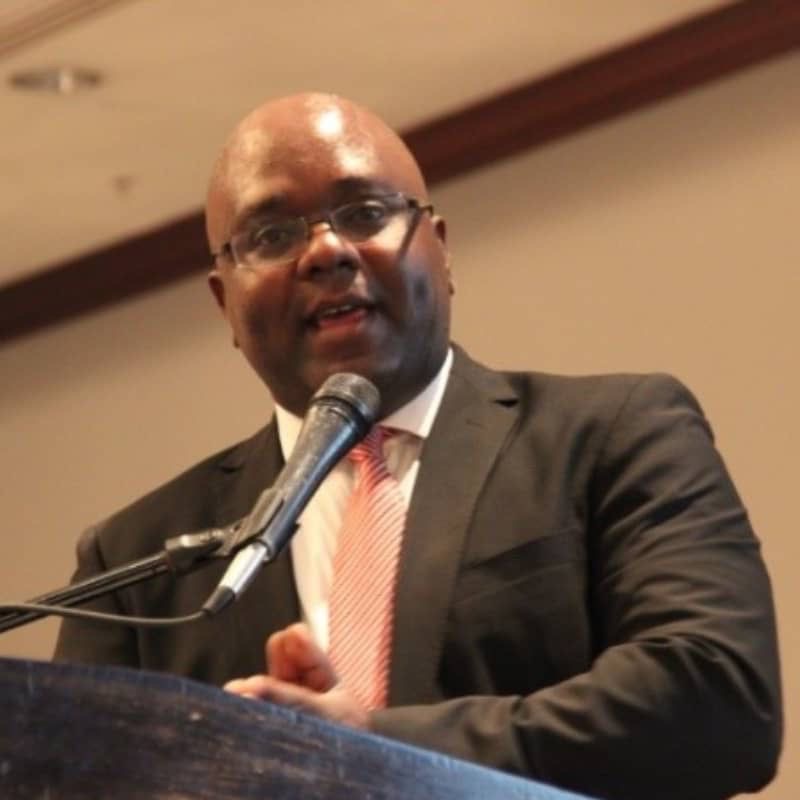








Port-au-Prince, November 1, 2025.- On Monday, 27 October, the Centre for Research in Management and Development Economics (CReGED) of Quisqueya University (UniQ) held the inaugural conference on Mondays of the REGED of the University Year 2025-2026 on the theme: « What could be the contribution of science to Haiti's economic development? » Four Haitian researchers, Evens Emmanuel, Jean Waddimir Gustinvil, Bénédique Paul and Vijonet Déméro, shared their thoughts on the place of science in the country's economic transformation, stressing the need for contextualised, coordinated and innovation-oriented research.
For Professor Evens Emmanuel, scientific research is an essential condition for the intellectual and economic reconstruction of Haiti. In his view, the country must invest in population-based research and local realities. He stressed the importance of functional scientific literacy which enabled citizens to understand and appropriate innovations. The professor calls for a multidisciplinary approach, integrating the human, social and environmental sciences, to address the challenges of vulnerability, climate and agricultural production. For him, science must once again become a lever of sovereignty and food security.
Challenges of valorizing research in Haiti
In his speech, Dr. Jean Waddimir Gustinvil admits that the valorization of research results in Haiti remains hampered by several obstacles: the lack of scientific journals meeting international standards, the absence of a peer-review culture and the low recognition of the status of researcher. Many academics lack the means to publish or ignore the necessary ethical procedures, such as referral to the ethics committee before any research. For research to become a lever of economic development, it is essential to strengthen scientific rigour, ethics training and institutional valorization of the work of Haitian researchers, he said.
For a contextualised and local innovation-oriented research*l
Professor Bénédique Paul emphasizes the contextualization of research and the need to meet the country's concrete economic needs. It deplores the low formalization of Haitian companies, of which over 80% are informal, which limits innovation and competitiveness. According to him, the state and universities must encourage technological and entrepreneurial research adapted to the realities of the Haitian market. The objective is to transform scientific knowledge into practical solutions to create wealth and reduce external economic dependence.
Towards coordination between universities, research centres and the private sector
Turning to the issue of scientific synergy, Dr Vijonet Déméro called for effective coordination between universities, research centres and the private sector. He recalls that the 176 Haitian universities must fully assume their threefold mission: teaching, research and service to the community. To this end, it calls for the creation of cross-sectoral collaborative frameworks, including public-private and public-civil society partnerships, in order to align research with the real needs of the market and ensure a transfer of knowledge useful for national development.
From this inaugural conference there is a common conviction: Haiti cannot start sustainable development without a strong and coordinated scientific policy. Research, far from being an academic luxury, becomes a strategic tool to transform the economy, stimulate innovation and strengthen national resilience.
W.A.