










©️Euractiv.fr
Port-au-Prince, October 13, 2025.- On the occasion of the International Day for Disaster Risk Reduction, celebrated on 13 October, the United Nations recalls the urgency of investing in resilience rather than reparation. In Haiti, one of the countries most exposed to natural disasters, this injunction takes on a vital dimension.
Every year, natural disasters cost the world about $202 billion in direct losses, and more than $2,300 billion in total economic impacts, according to figures presented by United Nations experts. Earthquakes, cyclones, floods, droughts: developing countries, including Haiti, suffer the most severe consequences. However, less than 1 per cent of global public budgets are devoted to disaster risk reduction (DRR).
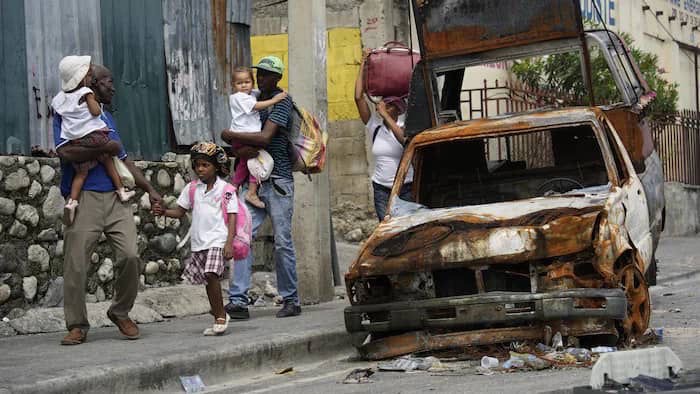
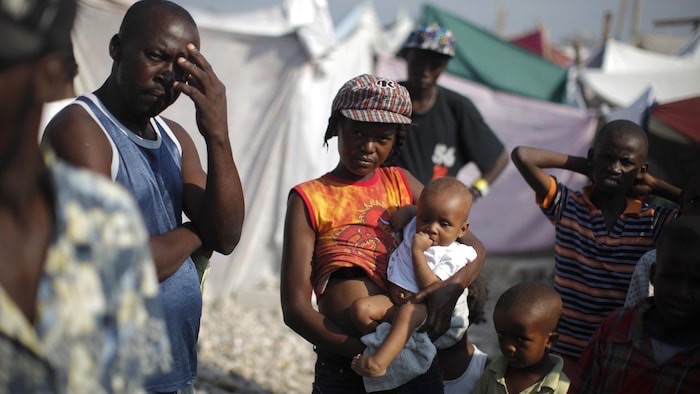
The United Nations (UN) reports that in Haiti, one of the most vulnerable countries in the world, prevention remains marginal in public policies. Located on the Caribbean seismic belt and regularly hit by hurricanes, the country paid a heavy price: the 2010 earthquake, Hurricane Matthew in 2016 and Hurricane Laura in 2020. These events revealed weaknesses in urban planning and the risk management system.
The United Nations, through the Sendai Framework for Disaster Risk Reduction (2015-2030), calls on governments to take action. For Haiti, this implies: increasing public resources dedicated to prevention; strengthening the Directorate of Civil Protection (DPC); integrating RRC into all development projects; and involving the private sector, responsible for 75% of global investments (UNDR, 2025), informs the organization.
Disaster risk reduction is not an option, but a national necessity for Haiti. Every gourd dedicated to resilience represents a saved life, a preserved school, a protected economy. On Monday, October 13, 2025, the international community invites governments, and particularly Haiti, to make a clear choice: "invest in resilience to build a sustainable future. "
R.J.