

















Port-au-prince, January 10, 2026.- Decree of the Transitional Presidential Council (CPT) « regulating the exercise of freedom of expression, preventing and punishing defamation and press offences » gives rise to a sharp lifting of shields. For journalists and media bosses Godson Pierre and Jacques Sampeur, this text marks a major decline in fundamental freedoms, criminalizes journalistic expression and breaks with the spirit of the 1987 Constitution and with international standards.
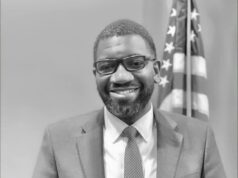
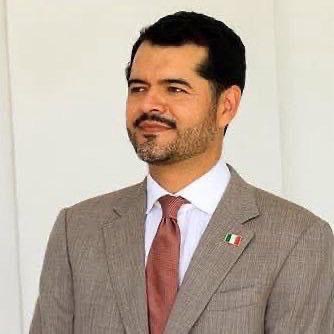
Invited this Saturday on magik 9 to analyze the decree, Godson Pierre and Jacques Sampeur delivered a severe critique, both in form and in substance. For Godson Pierre, the first vice of the text lies in its lack of legitimacy. Adopted without genuine consultation with journalists' associations, the media and civil society actors, the decree breaks with the tradition of dialogue necessary for any reform of a fundamental right such as freedom of expression.
The journalist also points out a major contradiction with the 1987 Constitution, which enshrines freedom of expression and removes any legislation contrary to his spirit. However, according to him, the decree is based on a heavy criminal logic, assimilating press offences to crimes, with penalties of fine and imprisonment. A counter-current orientation of international norms, including those promoted by UNESCO and the inter-American system, which favour civil treatment of press-related disputes rather than criminalization.
Godson Peter also talks about the semantics of the text, in particular article 1, which speaks of « Prevention and Punishment ». A formulation that is considered to reveal a spirit of control and sanction rather than protection. Finally, it notes a major flaw: the lack of a clear definition of defamation, opening the door to arbitrary and legal insecurity for journalists.
For his part, Jacques Sampeur puts the debate in a broader perspective. For him, the press is in essence a counter-power, indispensable in a fragile democracy. Any attempt at« framework » by decree, especially in times of transition, is tantamount to a desire to muzzle criticism and encourage self-censorship, especially among young journalists.
Recalling previous attempts at state control of the press in Haiti, Sampeur asserts that no law imposed without consensus can endure. He warned against authoritarian drift, where repression of expression would serve as a substitute for the absence of governance, functional justice and security.
For both stakeholders, this decree does not address the country's real challenges. Instead of protecting freedom of expression while empowering media actors, it risks further weakening the democratic space, in a context already marked by insecurity, impunity and distrust of institutions.
W.A.