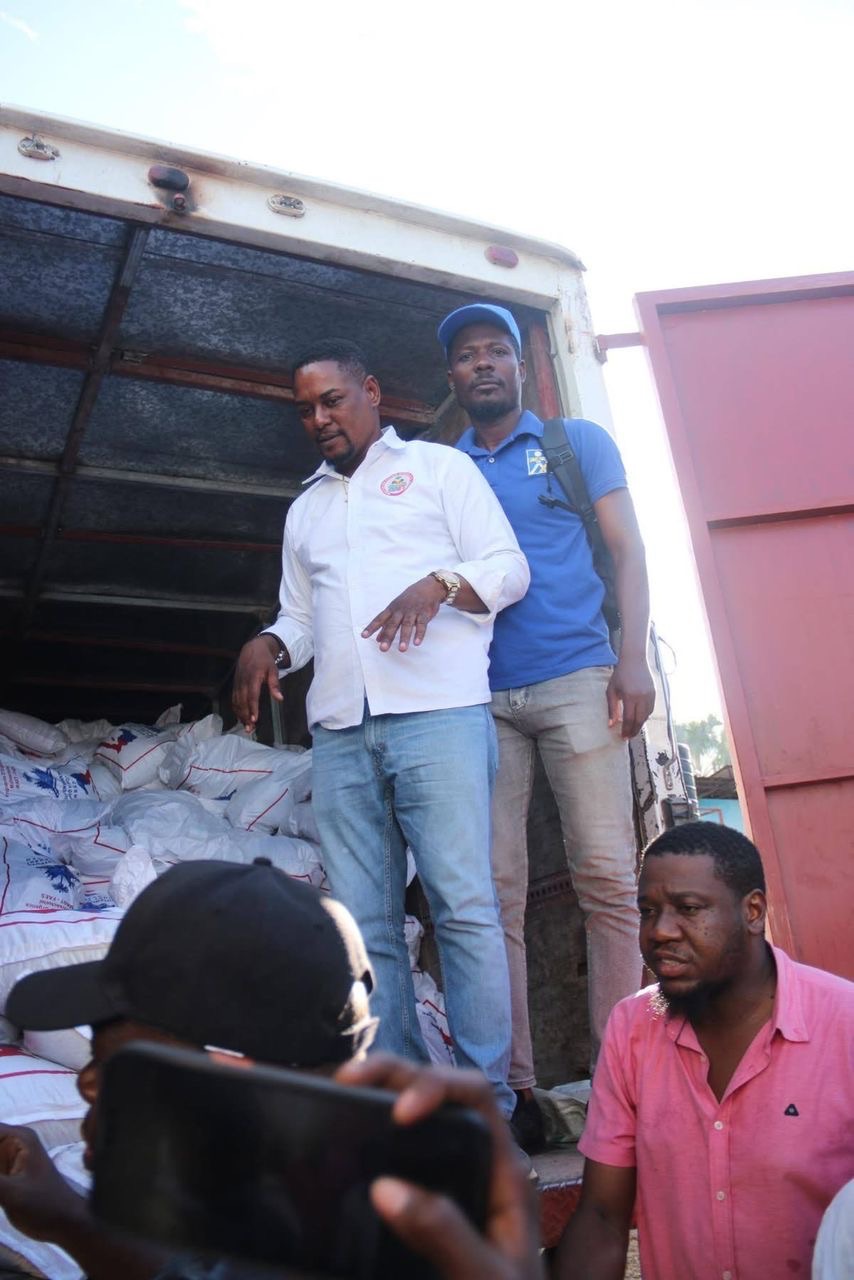



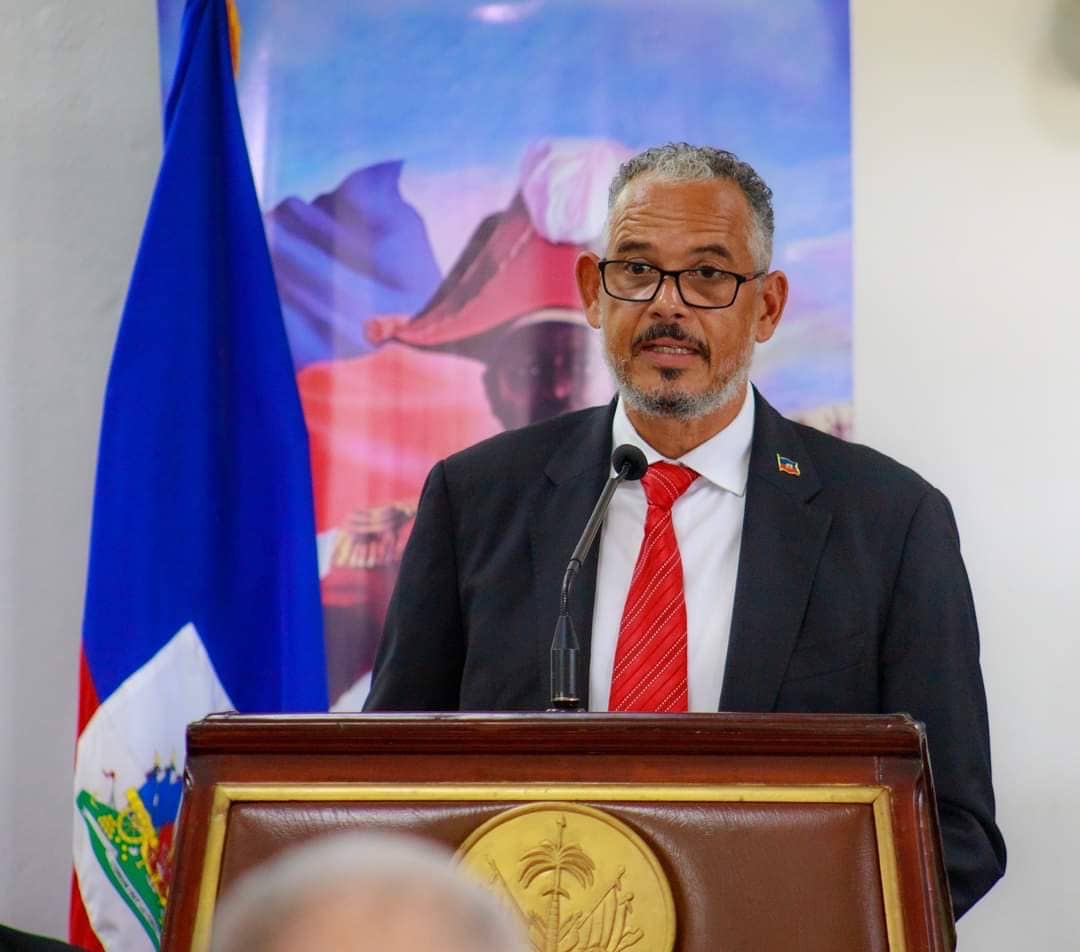
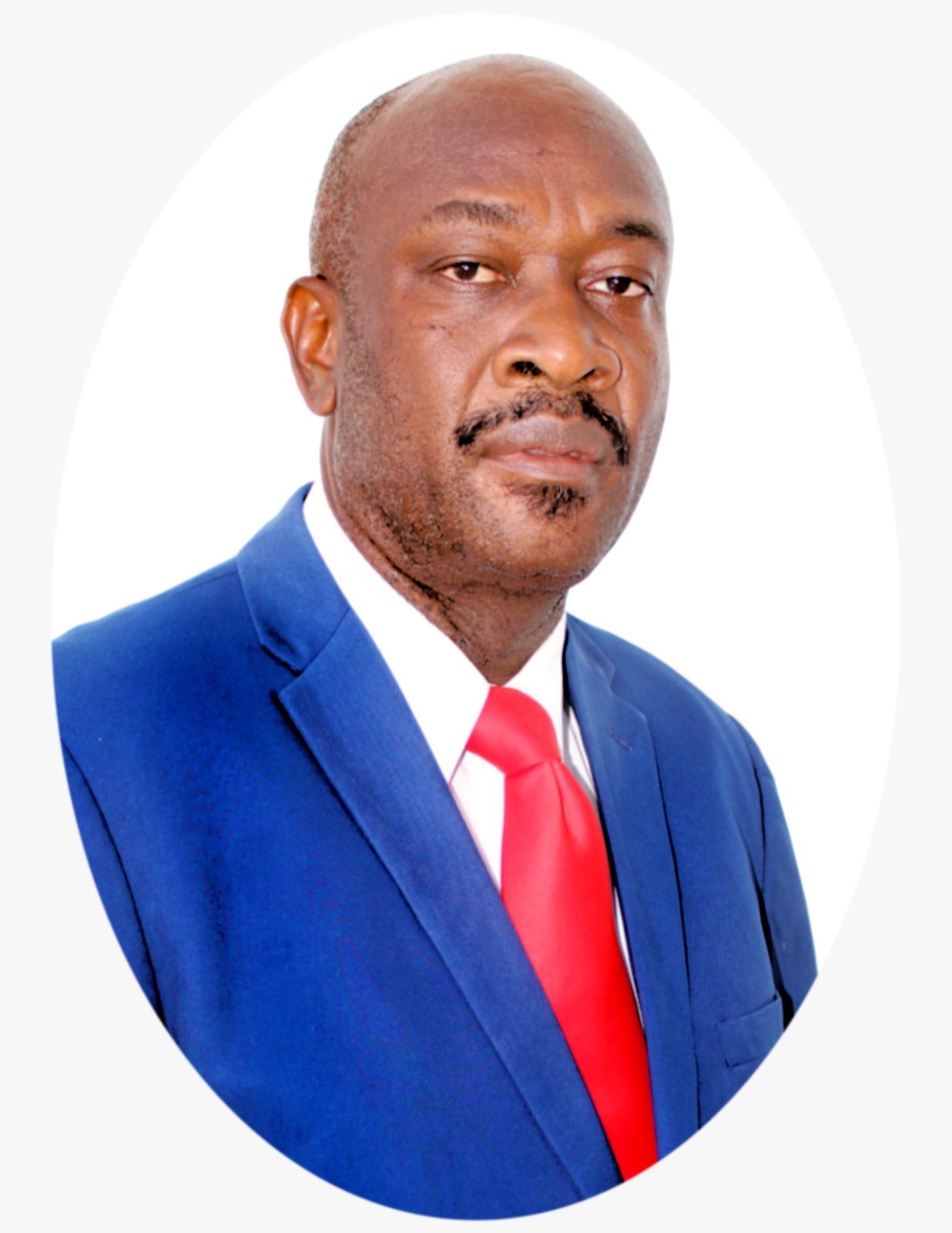
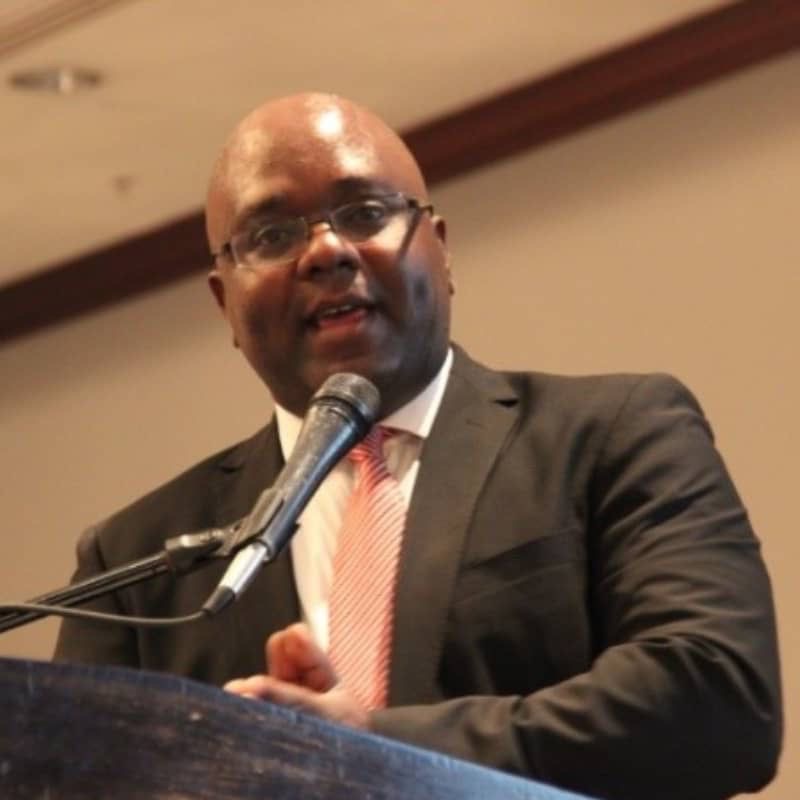

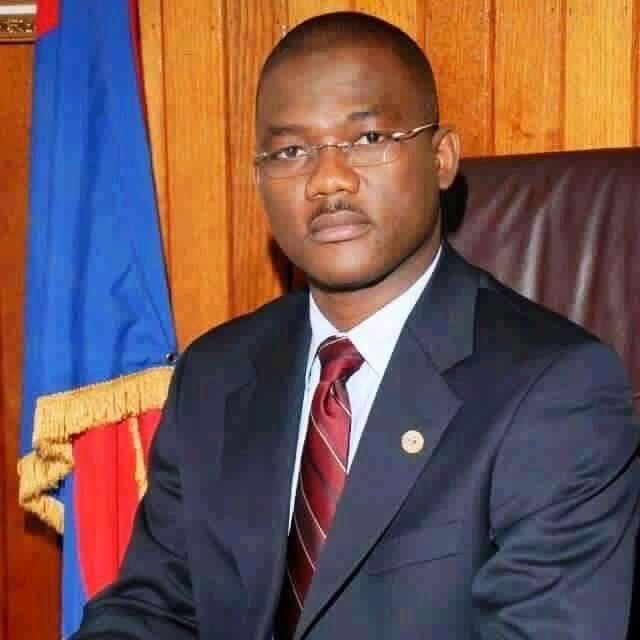
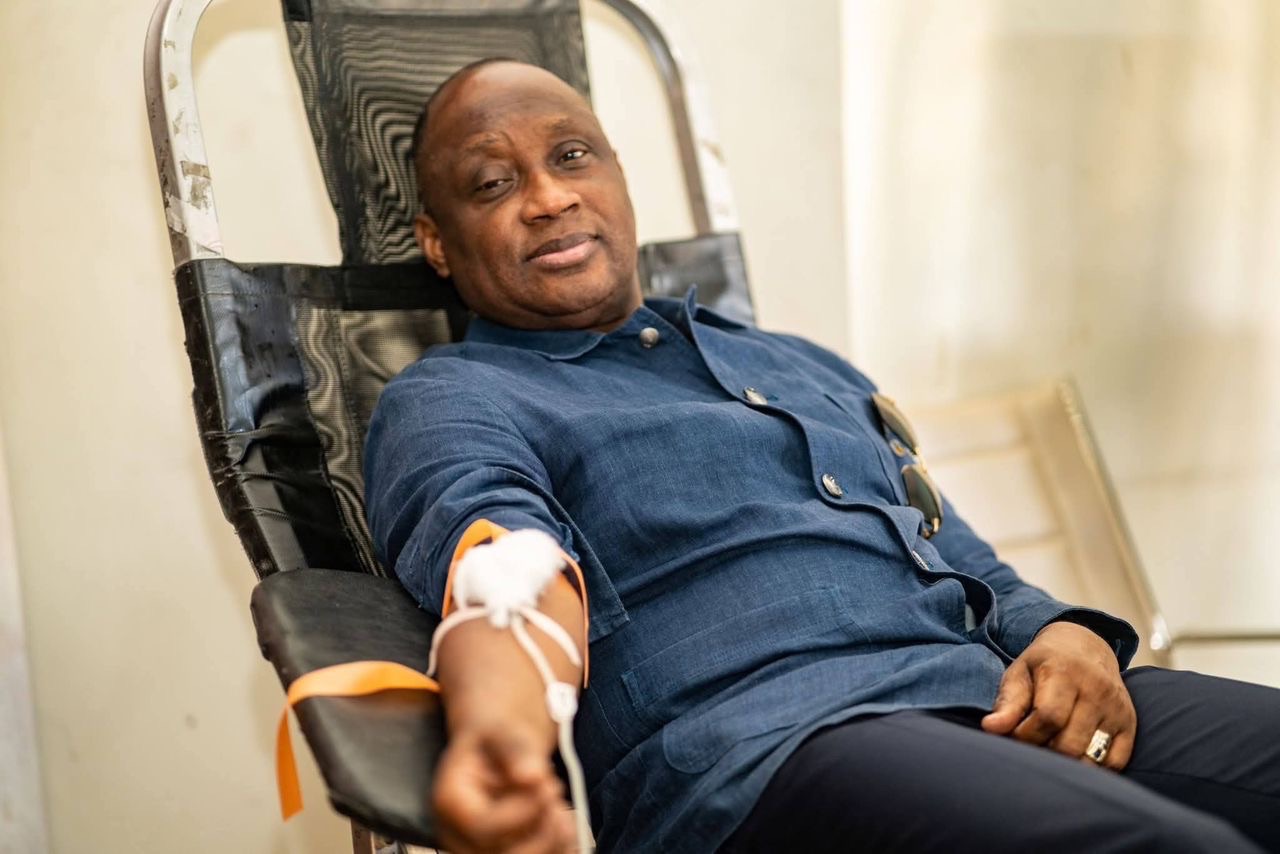


Executive Director of the Ensemble contre la corruption, Edward Paultre
Port-au-Prince, December 16, 2025.- On Wednesday, 17 December, a multi-stakeholder platform led by Ensemble contre la corruption (ECC) will present a road map for several months under the aegis of the United Nations Development Programme (UNDP). Based on the international conventions ratified by Haiti, the document proposes some 20 measures aimed at enhancing transparency, accountability and public ethics, with the ambition of a presidential decree to ensure its implementation.
According to the Executive Director of the Ensemble contre la corruption, Mr.Édouard Paultre, in an interview granted to radio Magik 9 on Monday 15 December, Haitian civil society is trying to move on to the offensive against corruption. Under the coordination of Ensemble contre la corruption (ECC), a new roadmap will be officially launched on Wednesday, 17 December 2025. The document is the result of collaborative work involving key public institutions: MEF, ULCC, UCREF, IGF and several civil society organisations, including Nègès Mawon, Nou pap dòmi and the RNDDH.
Structured around five priorities, public transparency, accountability, citizen participation, efficiency of public spending and public ethics, the roadmap brings together some 20 concrete proposals. These guidelines were discussed in thematic committees and in panels organised across the country to ensure an inclusive approach.
For Edward Paultre, ECC Secretary, the initiative meets a clear legal obligation: to align national legislation with the Inter-American Convention against Corruption (1997) and the United Nations Convention against Corruption (2003), both ratified by Haiti. The challenge is to impose more responsible governance, where authorising officers report to both the supervisory bodies, IGF, CSCCA and directly to the public.
The decisive question of implementation remains. ECC pleads for the adoption of a presidential decree, presented as a major test for the Transitional Presidential Council (TPC). Aware of possible resistance in a context of corruption scandals, Édouard Paultre said that the pressure would be collective, mobilizing civil society, public institutions and international partners to transform the document into an effective tool for reform.
W.A.