


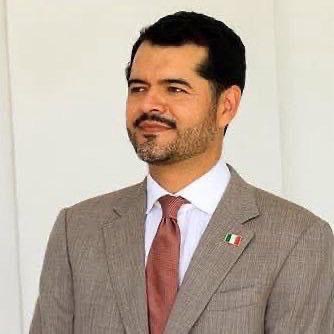

















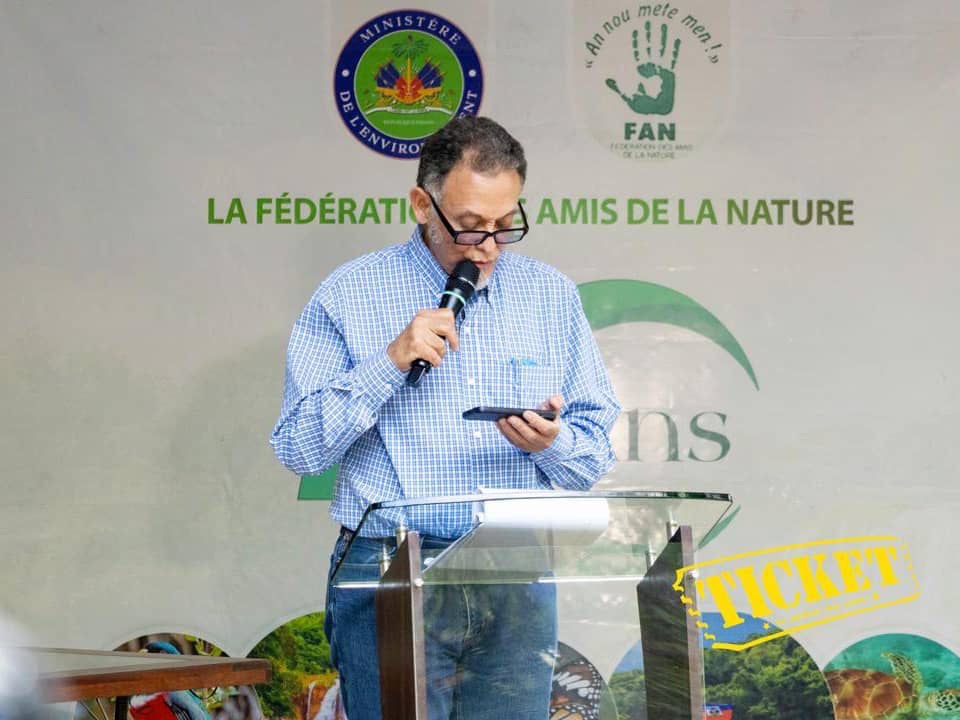
Pierre Chauvet•©️photo : Ticket Magazine
Port-au-Prince, March 27, 2026.- Guest on Radio Magik 9, Pierre Chauvet traced the genesis of the Fondation des amis de la nature (FAN), born in the wake of the fall of the dictatorship in 1986. Between citizen mobilization, environmental fighting and international scandals like that of toxic waste, he returns to 40 years of ecological commitment in Haiti.
Forty years after the creation of the Fondation des amis de la nature (FAN), Pierre Chauvet plunges into the historical context that saw this movement emerge. Following February 7, 1986, marked by the fall of the authoritarian regime and the release of speech, a new civic dynamic was established in Haiti. In this momentum, young people, gathered around the church of Saint-Gérard, are launching a reflection on the environmental future of the country.
From this effervescence arises the concept of« Green Haiti »a vision to respond to massive deforestation and the degradation of natural resources. Boxed by figures such as Professor Joseph Bernard, the movement gradually organizes around concrete actions, including the drafting of a manifesto and organization, as early as April 1986, of the first « Green march ». The purpose of this mobilization was to raise awareness of collective responsibility for the environmental crisis.
The NIF's commitment to awareness, citizen mobilization and environmental education is structured in three areas. Beyond the speeches, it was a matter of anchoring in the spirit of every Haitian that environmental protection is a collective duty, exceeding the responsibilities of the State.
One of the highlights of this struggle remains the toxic waste scandal in the late 1980s. In collaboration with Greenpeace, Haitian activists denounce the arrival of thousands of tons of waste from Philadelphia, dumped into the territory under false declarations. This case highlights international issues related to the trafficking of hazardous wastes and triggers a national mobilization to demand their removal.
According to Pierre Chauvet, these struggles helped to structure an ecological activism in Haiti, both committed and non-partisan, despite a context marked by political instability, natural disasters and anarchic urbanization. He also highlighted the contribution of intellectuals and researchers, such as Albert Mangonès, who had already alerted about environmental risks well before 1986.
Even today, the challenges remain considerable: deforestation, waste management, uncontrolled urbanization. But for Chauvet, the legacy of the NIF remains essential: to have awakened a collective consciousness and laid the foundations for a sustainable citizen commitment to the environment.
W.A.