


















Port-au-Prince, October 31, 2025.- In an exclusive interview with Radio Magik 9, on Friday, 31 October, the Director General of Civil Protection, Emmanuel Pierre, drew a heavy record of the passing of Hurricane Melissa. Mr. Pierre deplored the mistrust of the population, saying that « several victims, notably in Petit-Goâve, could have been saved had they followed the instructions of the authorities ».
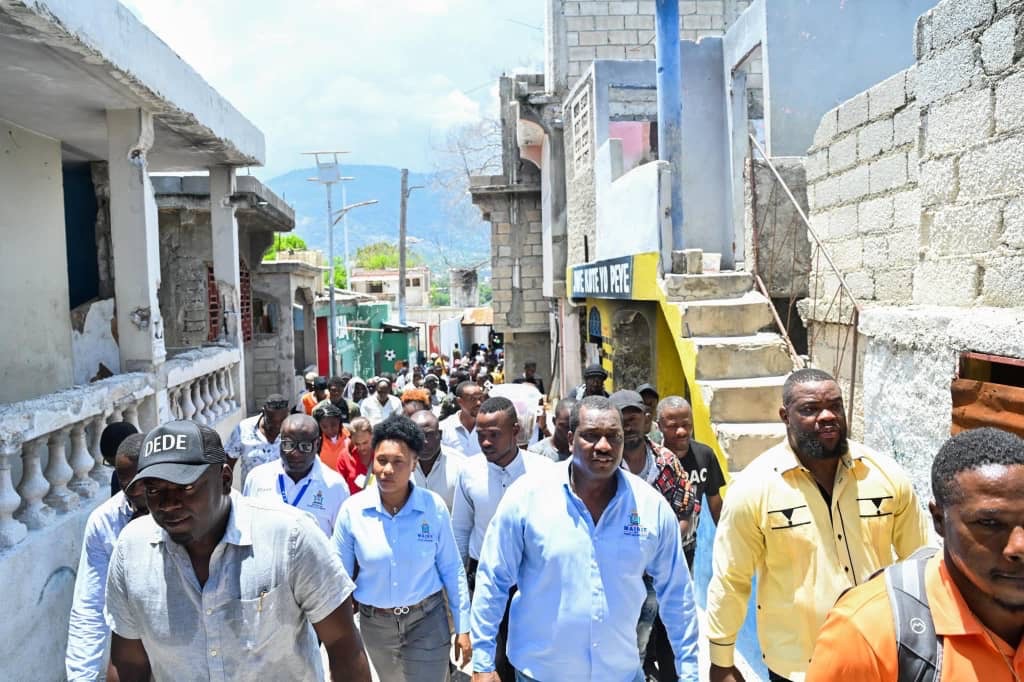
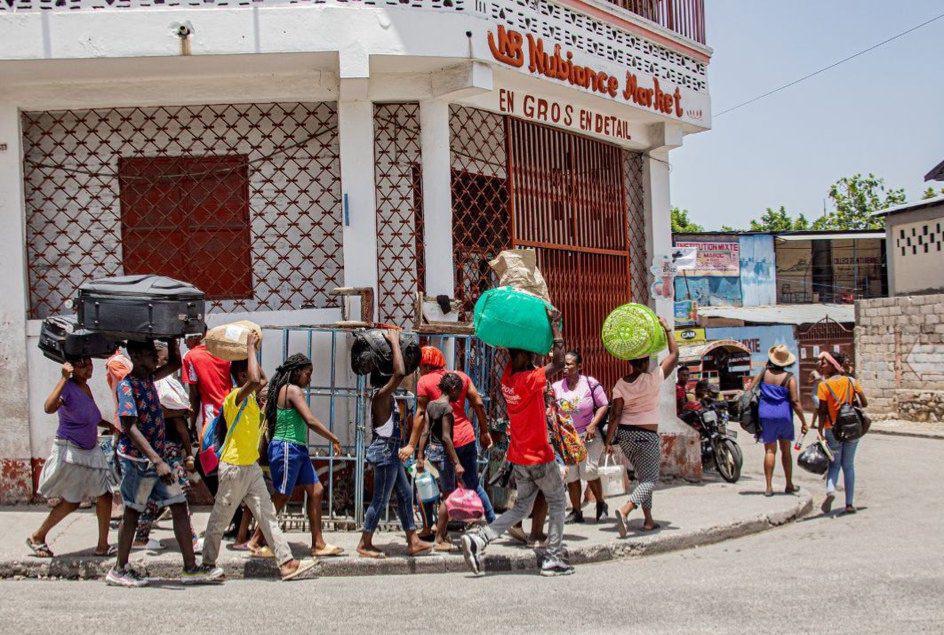
The passage of Hurricane Melissa left behind a landscape of desolation across Haiti. In a radio interview, the Director-General of Civil Protection, Emmanuel Pierre, confirmed that 30 people lost their lives, 20 were reported missing and 20 injured, while more than 15,000 people found shelter in temporary shelters.
Petit-Goâve, epicentre of drama
According to Mr Pierre, the commune of Petit-Goâve, in the department of the West, is the hardest hit. The river La Digue, coming out of bed, took 21 people, including 10 children. « Many of these victims would still have life if they had listened to evacuation instructions », he regretted.
Human and material losses in several departments
The Director General stated that other deaths were recorded in Grand Anse (2), Nippes (3), Artibonite (1) and South East (1).
A total of 2,399 families, or 15,861 persons, were registered in 122 shelters throughout the country. More than 1,000 houses were flooded, including 659 in the Nippes and 808 damaged in the Grand-Anse, where 15 houses were completely destroyed.
Cut roads and isolated areas
Several roads remain closed, including in Newfoundland, Boucan-Carré, Paillant, Petit-Trou-de-Nippes and Dame-Marie, complicating relief operations and the distribution of humanitarian aid. « Our teams stay on the ground to assess damage and assist families, but access to some areas remains difficult »explained Mr. Pierre.
A devastated agricultural sector
Farm losses are also considerable:
Age: 1,453 destroyed gardens and 532 lost livestock;
Nippes: 91 gardens and 13 fishing boats destroyed;
Artibonite: 15 hectares of devastated banana groves;
These destructions increase the economic vulnerability of rural families already weakened by food insecurity.
Despite the remoteness of the hurricane to the northeast of the Atlantic, the yellow vigilance remains in effect, due to persistent flooding, landslides and increased health risks. Director-General Emmanuel Pierre reiterated his call for caution:
« We call on the population to remain responsive to local authorities and not to minimize warnings. Prevention remains our best weapon in dealing with disasters. »
W.A.