









©️UNESCO
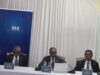
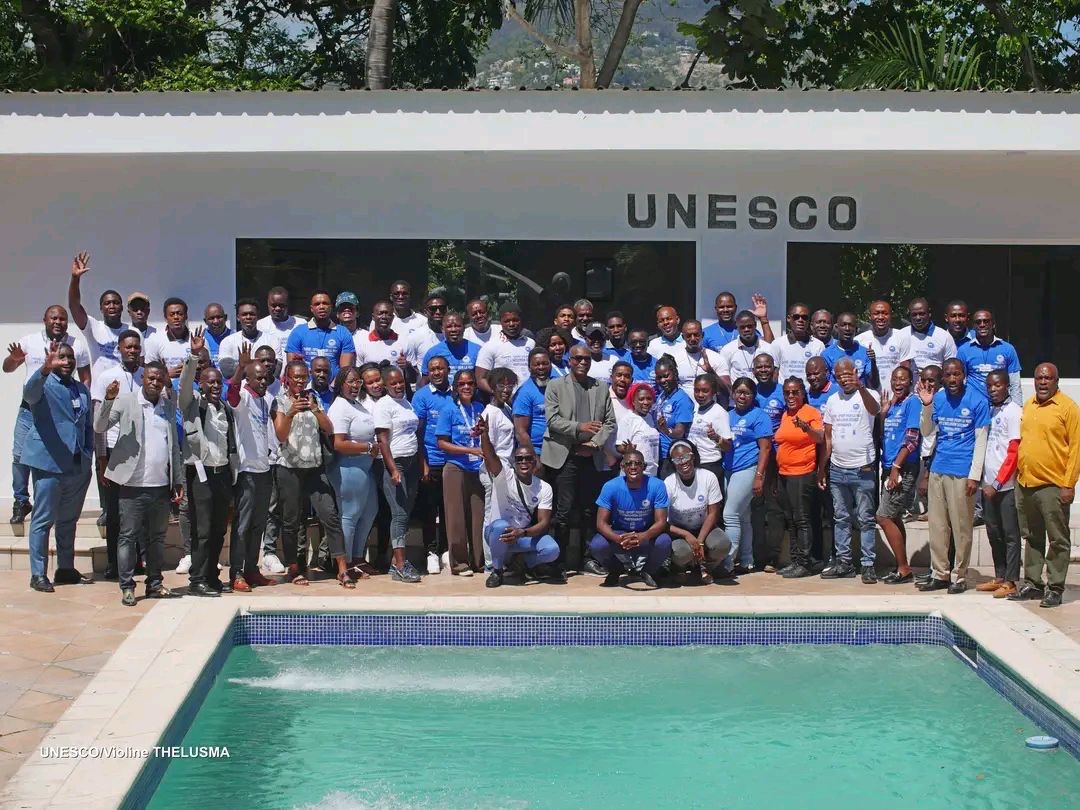
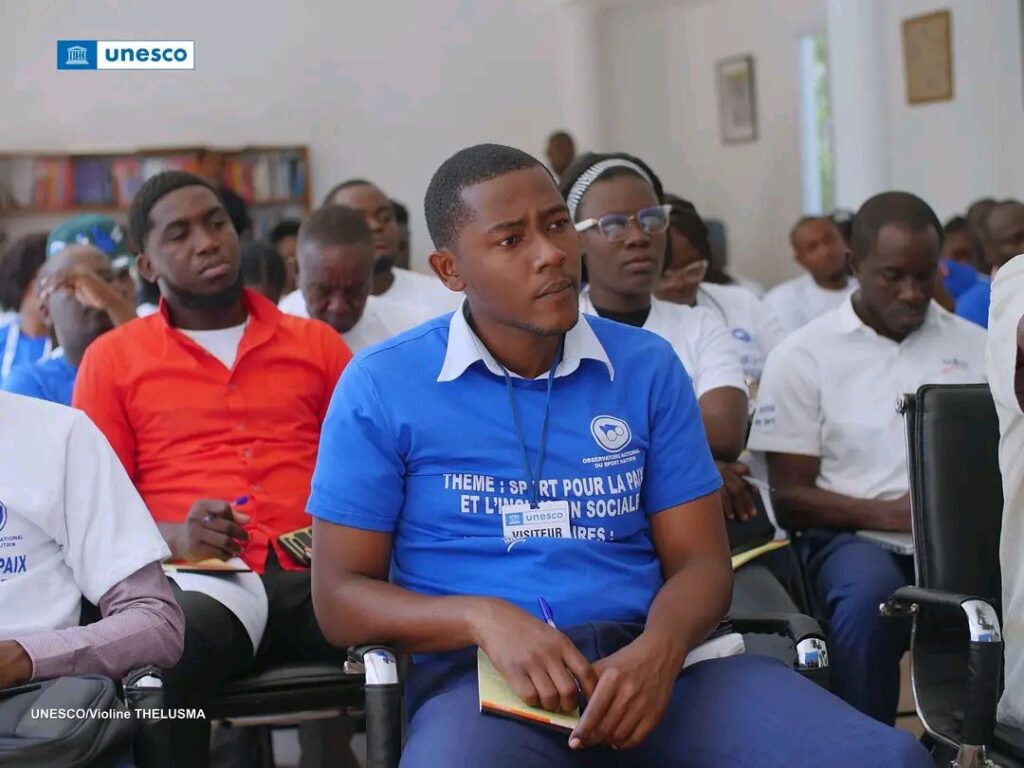
Port-au-Prince, March 30, 2026.- The National Observatory of Haitian Sport (ONASH) and the Ministry of Youth, Sports and Civic Action (MJSAC), with the technical support of UNESCO, launched, on Monday, March 30, a three-day training for community sports agents from eight town halls in the metropolitan area. The aim is to strengthen the use of sport as a tool for social cohesion and the prevention of violence in Haitian communities.
This initiative, entitled « Sport for peace and social inclusion »bring together municipal representatives responsible for local sports programmes. It aims to provide the participants with methods and good practices for organizing activities to promote dialogue and youth gathering.
During the three days of training, participants will follow theoretical and practical workshops on the planning of inclusive sporting events, conflict prevention and the facilitation of collective projects. Eight municipalities participate in this programme, designed as a model for collaboration between local communities and international partners.
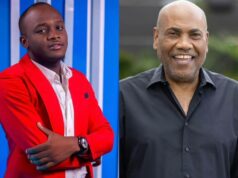
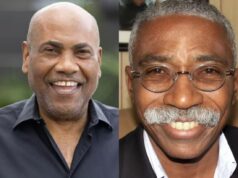
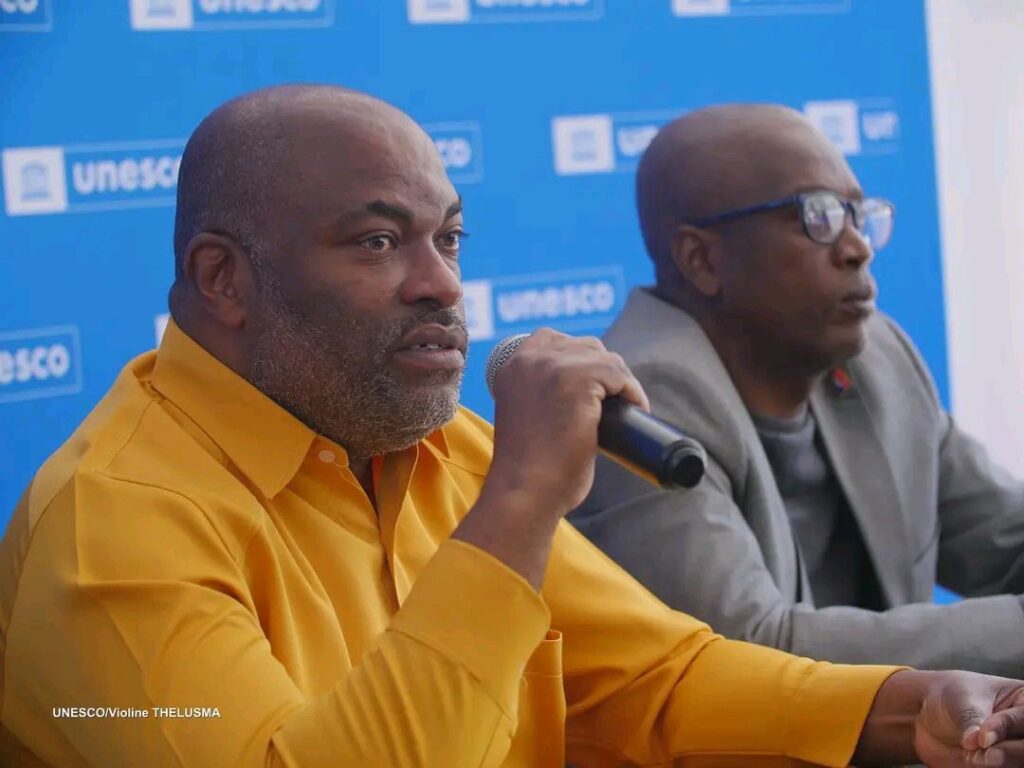
For Edwin Charles, representative of ONASH, « This training should enable community sports agents to transform sport into a concrete tool for gathering and social cohesion. » Jean Luc Tondreau of UNESCO added: « UNESCO supports a pragmatic approach that builds on sport to create spaces for dialogue and inclusion, tailored to the real needs of communities. »
This training comes as the Haitian sports sector faces many challenges: limited infrastructure, limited financial resources and insecurity in certain neighbourhoods. Despite these obstacles, several young Haitian athletes stand out internationally, such as Melchie Dumornay in women's football and Mayah Chouloute in swimming, demonstrating the potential of sport to enhance visibility and national unity.
À l’issue de la formation, les agents sportifs communaux disposeront d’outils et de stratégies pour structurer des activités favorisant la cohésion sociale et la prévention de la violence. Le ministère de la Jeunesse et de l’Action Civique espère que ces efforts encourageront une participation active des jeunes et consolideront le lien social dans les quartiers métropolitains.Le sport est ainsi présenté comme un instrument concret de dialogue et de coordination à l’échelle locale, face à des réalités sociales et sécuritaires persistantes.
R.J.