










Port-au-Prince, 24 July 2025.- In a public statement, the Episcopal Conference of Haiti (CEH) affirms that there is widespread chaos in the country and takes advantage of it to recall the moral, ethical and social requirements that underpin any society. She wondered about the intentions hidden behind what she described as a project to dehumanize the Haitian people and deplored the inaction of the authorities in the face of the need to protect life, freedom, culture and national memory.
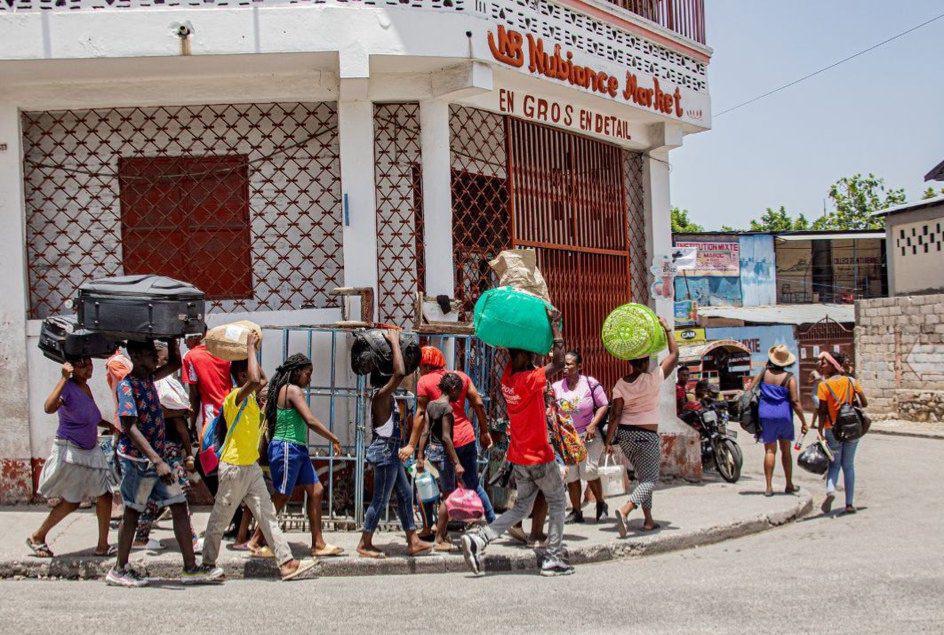
On Wednesday, July 23, 2025, in its statement on the security crisis and the Preliminary Draft Constitution, the ECHR describes the collapse of Haitian society, marked by a failing State, territory delivered to armed gangs and an displaced, impoverished and deeply bruised population.
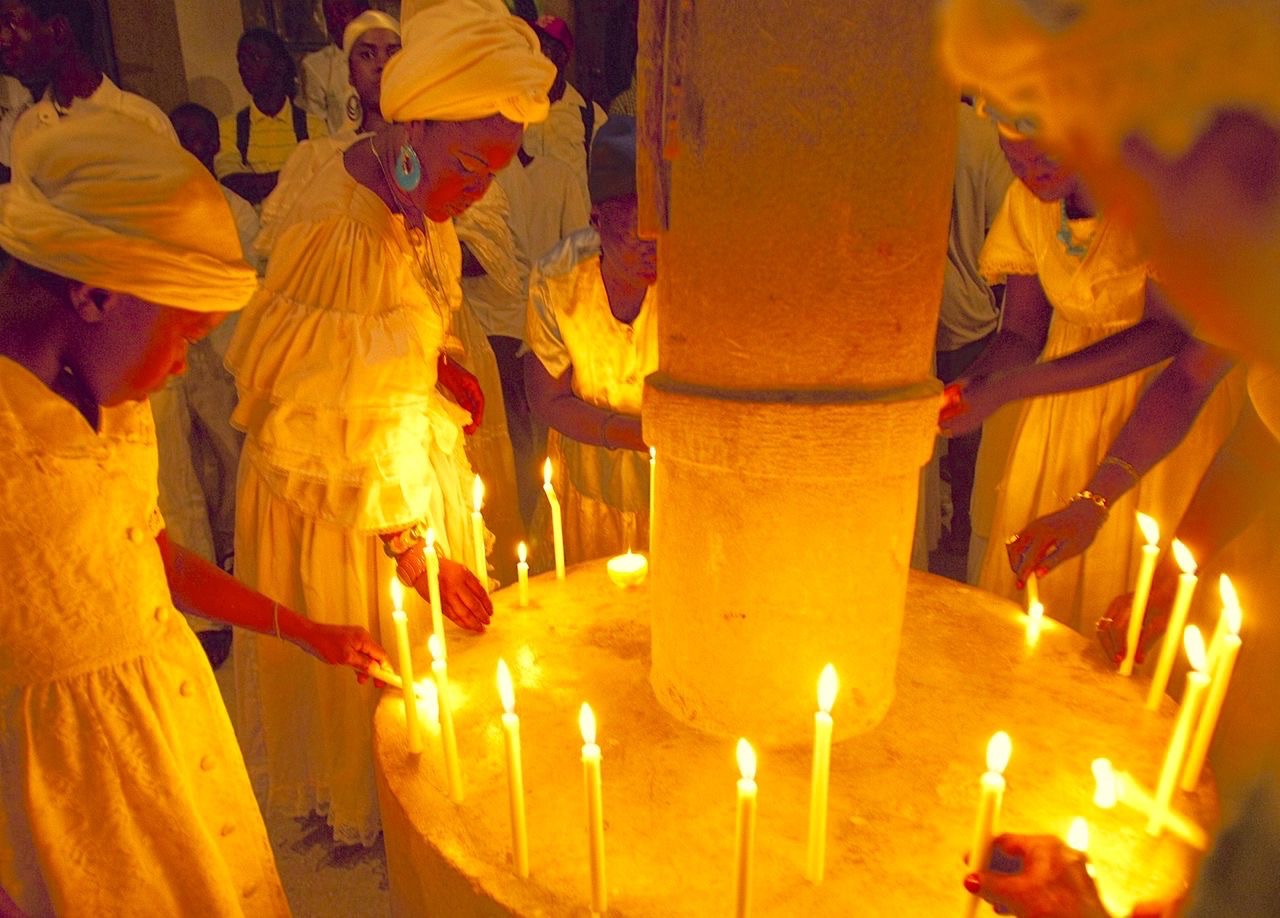
The Episcopal Conference also deplores the moral and social collapse of the country, illustrated by the desecration of sacred places and the destruction of historical and cultural heritage by armed gangs. These acts undermine collective memory, faith and national identity, profoundly affecting the conscience and hope of the people.
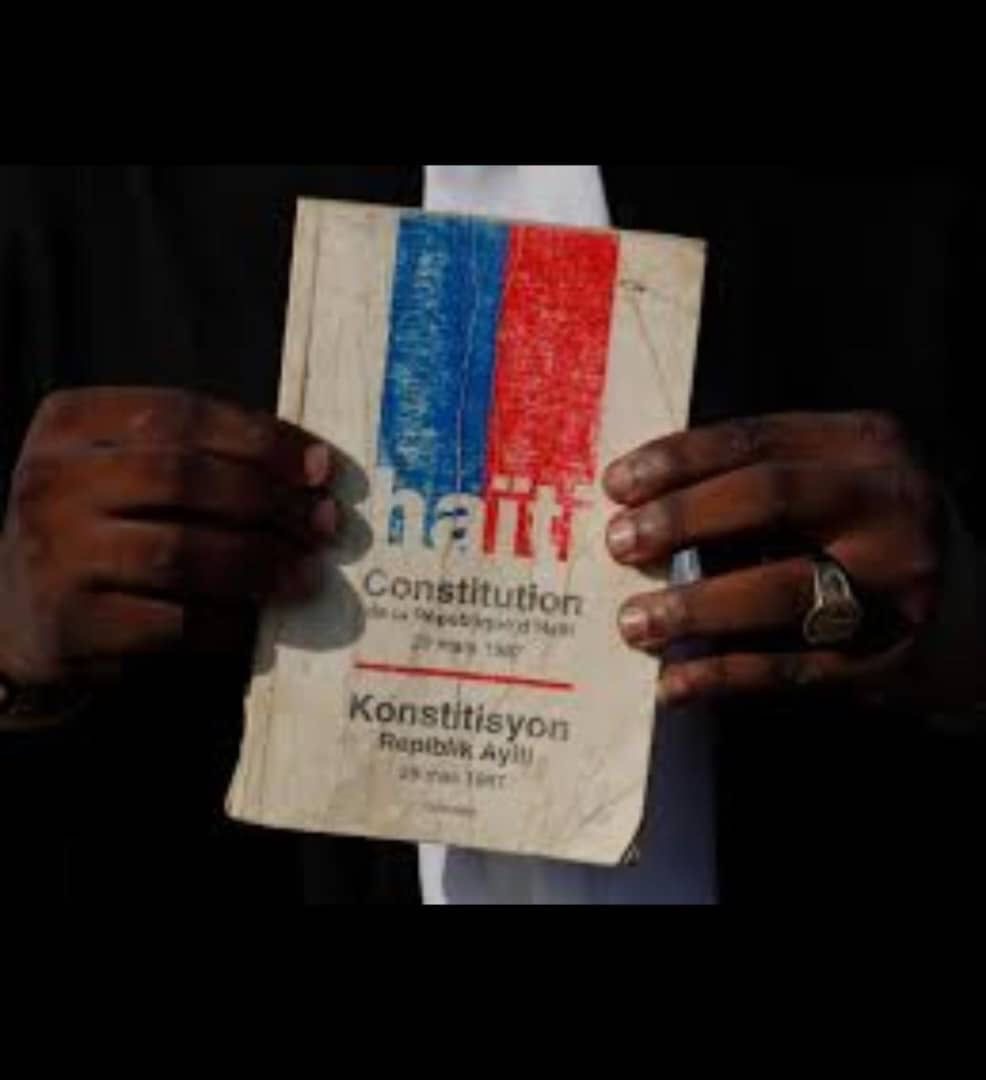
Furthermore, the ECHR notes that in the midst of a security crisis and in a context of divisions, the transitional authorities have initiated a process to adopt a new Constitution. In her view, the tabling of the Draft Constitution of 2025 was an important turning point, raising both hopes, questions and concerns within the Nation.
The preliminary draft proposes several reforms: modernization of the State, inclusion of Haitians living abroad, increased participation of women and young people, strengthening of social rights (education, health, housing), as well as transparency and anti-corruption mechanisms. The ECHR welcomes these proposals as a possible basis for a more inclusive and equitable national project.
However, despite its progress, the Episcopal Conference of Haiti (CEH) notes that the Preliminary Draft Constitution has serious weaknesses: an uninclusive process, an excessive strengthening of presidential power, ambiguities on the territorial model, social rights without concrete guarantees, and a governance model that is too complex for the administrative and budgetary realities of the country.
Faced with these findings, the ECHR stresses that the Constitution must be a genuine social pact, based on a broad national consensus and rooted in the historical, cultural and social reality of the Haitian people. It considers that the time is not right for the adoption of a new Constitution. The current priority must be security, peace and responsible governance.
The renewal of the country, according to the ECHR, will come not only from a text, however well drafted, but from a renewed civic consciousness, a shared moral commitment and a culture of dialogue. It calls for a collective charter of the future, rejecting any unilateral rupture, and encourages everyone to resist resignation, violence and anarchy.
W.E.