










©️The Presidency
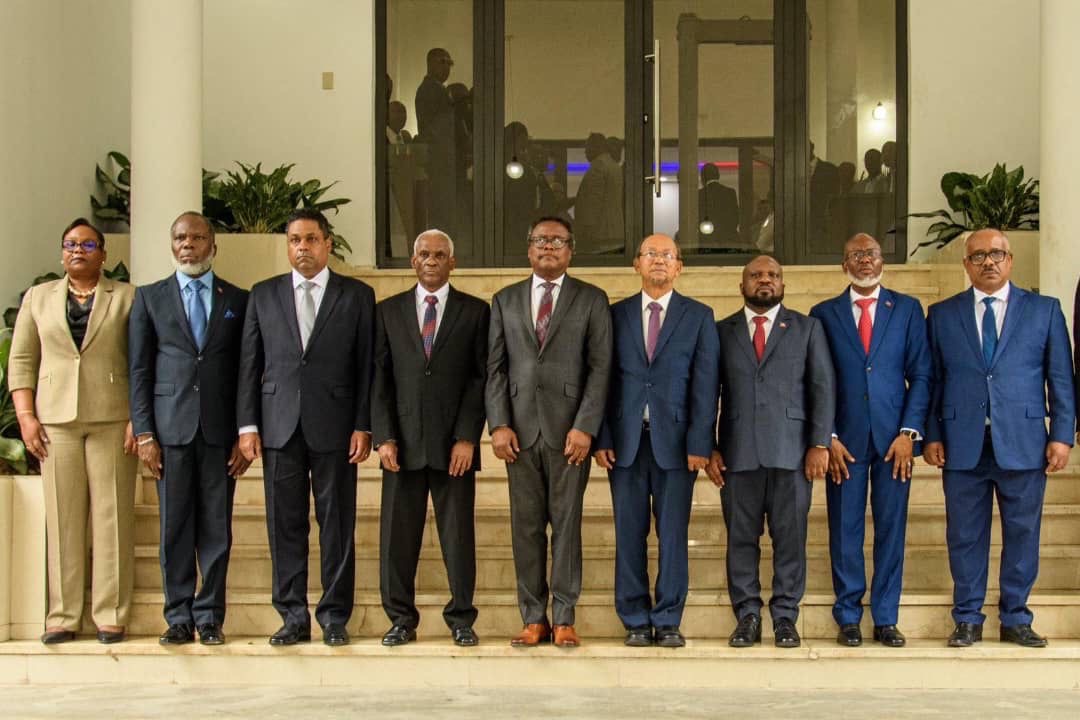
Port-au-Prince, 23 December 2025. Within two months of the end of the term of office of the Transitional Presidential Council, a decree published in Le Moniteur on the organization and functioning of the High Court of Justice raised serious concerns. Presented as a tool for strengthening the rule of law, the text actually concentrates the prosecution of major State clerks in an exceptional jurisdiction, while imposing heavy political filters on anti-corruption mechanisms, de facto strengthening their immunity.
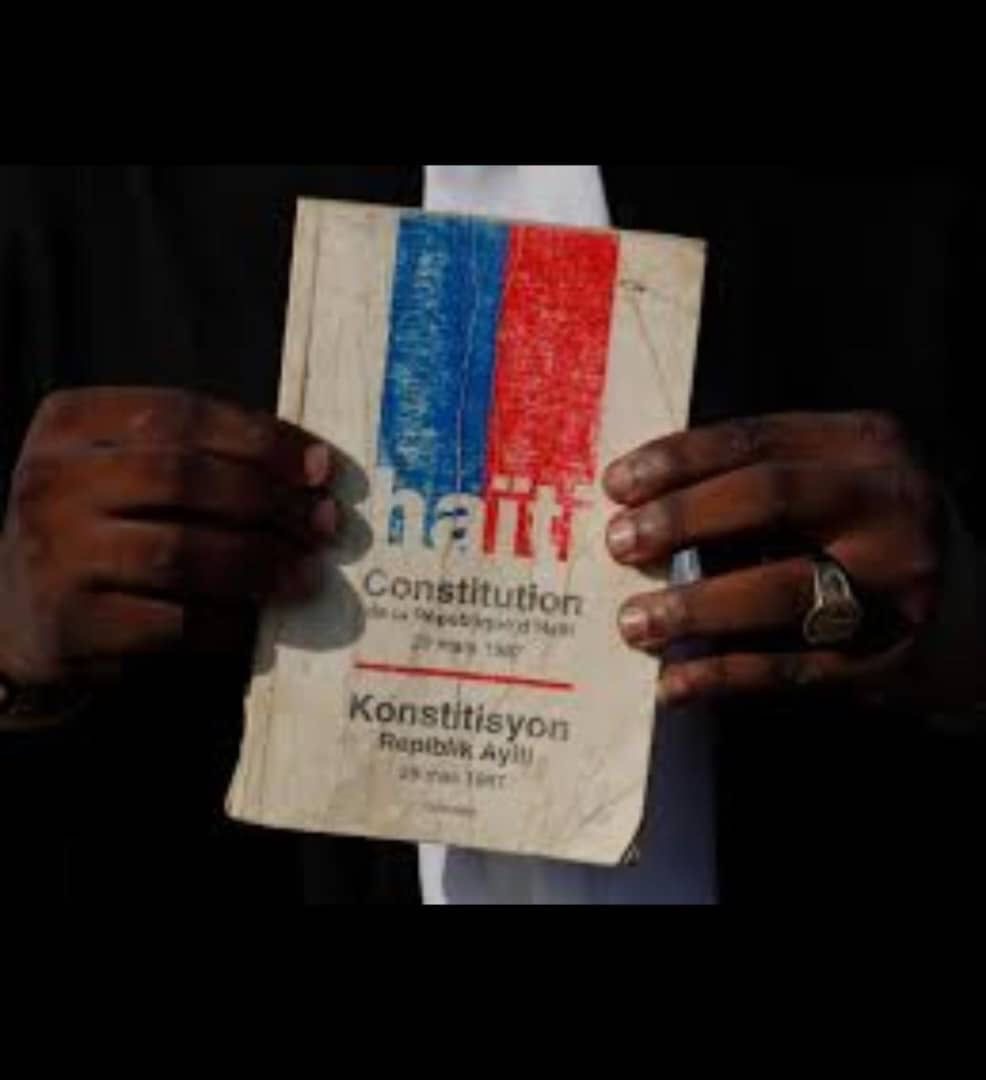
Published in the special issue 68 of the Official Journal of the Republic of Haiti of 17 December 2025, the decree on the organization and functioning of the High Court of Justice redefines in depth the regime of prosecution of senior public officials. On the basis of article 186 of the Constitution, the Act establishes that crimes and offences committed by major State clerks in the performance of their duties are exclusively the responsibility of the High Court of Justice, thereby excluding any jurisdiction of ordinary courts.
Article 4 of the decree is the heart of the controversy. It confers almost exclusive jurisdiction on the High Court to try senior officials, including after the end of their term of office, for acts committed during the performance of their duties. This provision is perceived by many observers as an enhanced jurisdictional immunity, in a context where the High Court remains, in practice, inoperative for lack of a functional Parliament.
Article 11 further enhances this protection. It makes the judicial exploitation of the reports of anti-corruption institutions and financial intelligence subject to double political validation: first by the boards of directors of these institutions, and then by deliberation in the Council of Ministers. This institutional lock puts the executive at the heart of the indictment process, reducing the autonomy of anti-corruption bodies and weakening their capacity to act.
Officially, the decree aims to fill a legal gap and end a cycle of impunity. However, in a context marked by the lack of legislative power and the expiry of 7 February 2026, the term of office of the chairpersons, the text is interpreted as an attempt at early legal security for the current holders of power, several of which are regularly cited in sensitive reports.
By establishing the primacy of an exceptional court that is difficult to mobilise and by politicizing access to prosecution, the decree raises serious questions about the balance of powers and public accountability. Far from strengthening the fight against corruption, it could institutionalize de facto immunity, further undermining citizens' confidence in justice and the rule of law.
W.A.