




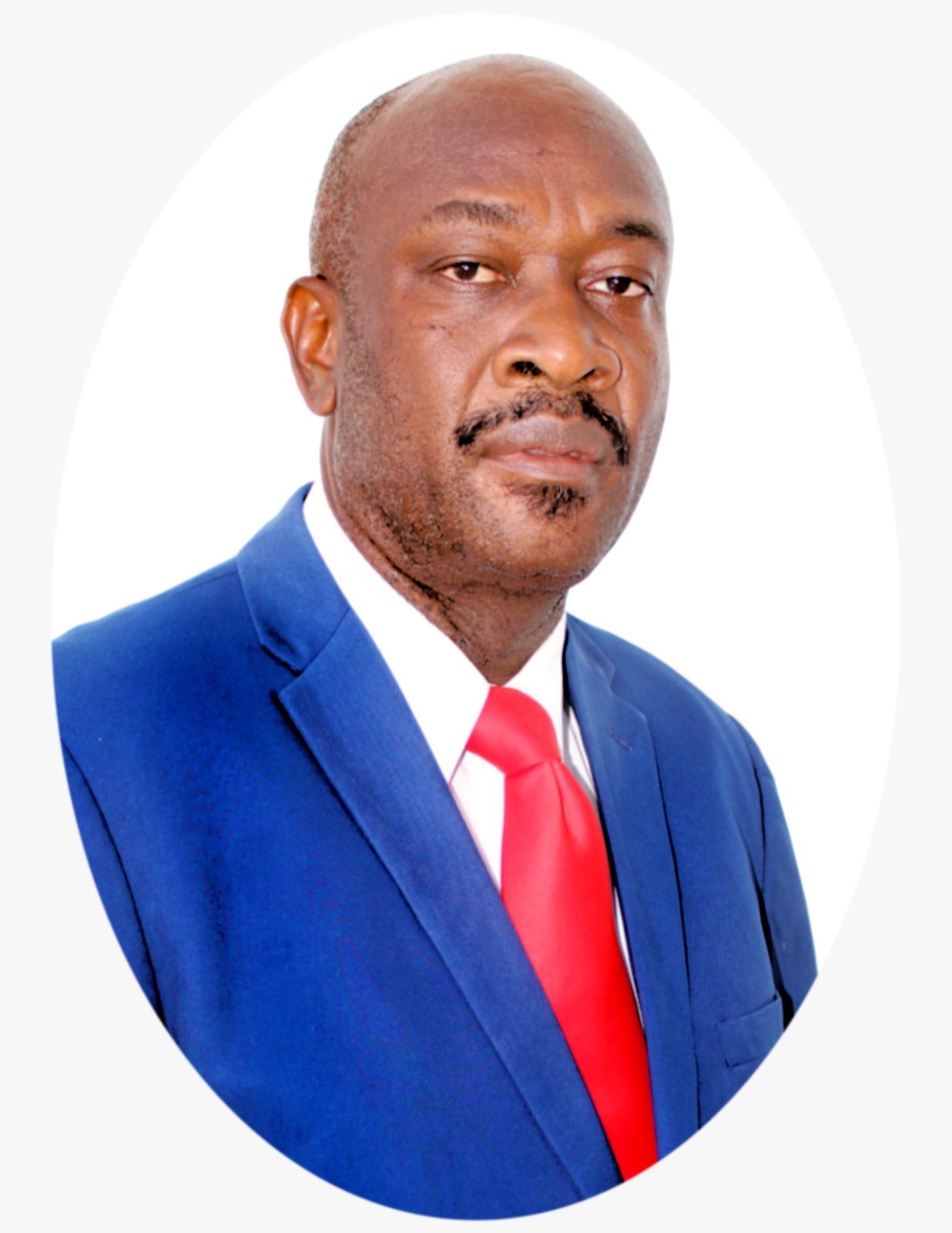
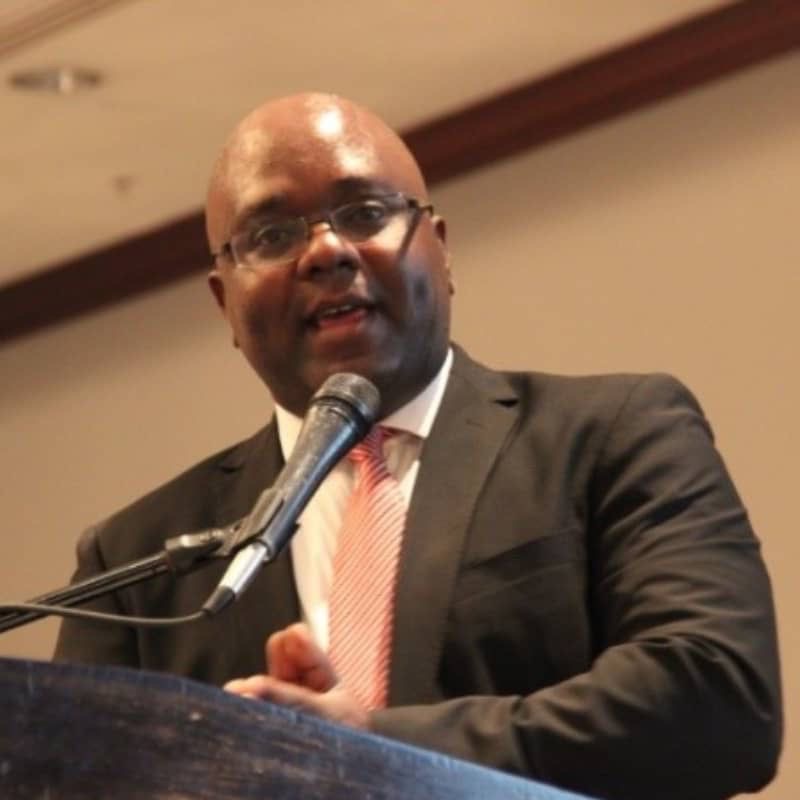







The Executive Director of the National Human Rights Network, Pierre Espérance
Port-au-Prince, 29 December 2025.- Invited to Panel Magik on Monday 29 December, Pierre Espérance, Executive Director of the National Network for the Defence of Human Rights (RNDDH), strongly criticized the decree on the operation of the High Court of Justice. He sees it as a manoeuvre by the Transitional Presidential Council (CPT) and the government to protect themselves from corruption-related prosecutions, in a context marked by the BNC file and tensions around the Anti-Corruption Unit (ULCC).
Qualifying the text of « scandalous decree » and « stillborn »Pierre Espérance believes that the initiative aims to ensure impunity for CPT members and to protect former senior officials accused of embezzlement of public funds. According to him, the international conventions ratified by Haiti render this decree legally ineffective, the fight against corruption exceeding the strictly national framework.
Asked about the silence of the political class after the adoption of the decree, the head of the RNDDH evokes a logic of preserving privileges. « Many make politics a trade synonymous with enrichment »he claims, thus explaining the absence of public denunciation for fear of losing access to impunity.
Pierre Espérance also revealed that members of the CPT reportedly attempted to replace the Director General of the Anti-Corruption Unit (ULCC), after three presidential advisers had been charged with corruption at the National Credit Bank (NCB). This attempt would have occurred even before the publication of the ULCC report involving former President Joseph Michel Martelly for false declaration of heritage.
According to the RNDDH, the opposition of the international community to this dismissal would have prompted the CPT to adopt the decree on the High Court of Justice, perceived as a « patent of impunity ». A step which, far from strengthening the rule of law, feeds suspicions of institutional locking at the top of the state.
W.A.