









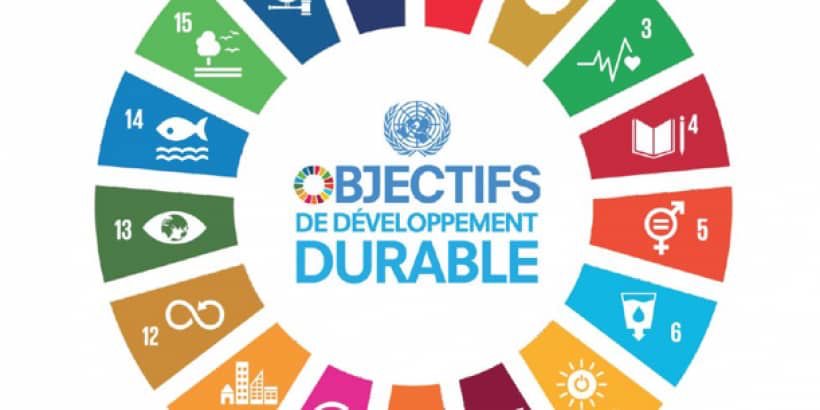
Washington, 25 September 2025.- Haiti signed, in September 2015, with the United Nations as a whole the 2030 Agenda and its 17 Sustainable Development Goals (SDGs). Ten years later, the country seems to be moving towards a new collective failure due to the lack of strong institutions and coherent governance.
At the United Nations Summit in New York, on Thursday, 25 September, Haiti made a commitment to implement the Sustainable Development Goals (SDGs) by 2030. The objectives were to reduce poverty, strengthen institutions, protect the environment and improve the lives of people. Ten years later, in 2025, the national situation shows that the country is far from reaching these targets. Chronic political instability, weak statehood and the lack of a shared vision threaten Haiti's participation in this global project.
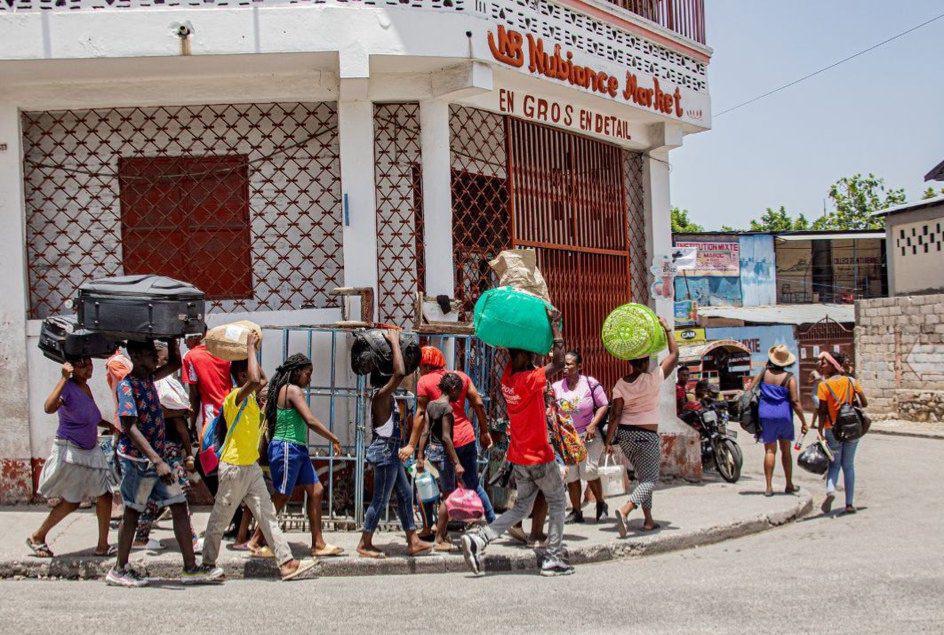
The figures speak for themselves: in ten years, Haiti has made very little progress towards achieving the SDGs. According to the World Food Programme (WFP/WFP), about 5.7 million people suffer from food insecurity, including 1.64 million in emergencies. Poverty affects almost 59 per cent of the population, while access to electricity remains limited, with only 51.3 per cent of the population with regular service, according to the World Bank.
These figures reflect a structural lag due to political instability and weak public institutions.
Like PetroCaribe, development initiatives are struggling to deliver concrete results due to poor management and lack of accountability. Without strong institutions and a minimum of political consensus, Haiti remains caught in a cycle of repeated failures, jeopardizing the achievement of the SDGs by 2030.
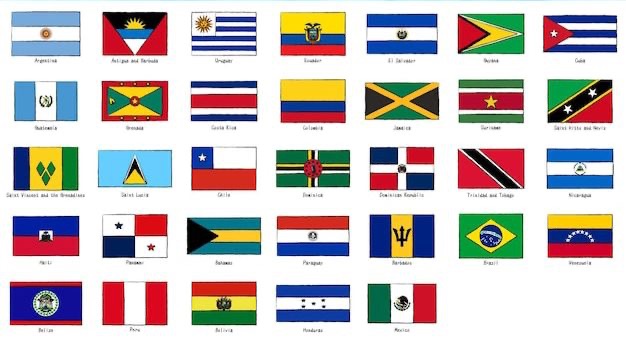
While other countries in the region, such as the Dominican Republic and Costa Rica, are advancing in the implementation of the SDGs, Haiti is at risk of becoming more isolated. The country cannot continue to benefit from international support without demonstrating tangible progress in governance and human development.
From 2015 to 2025, Haiti was unable to transform the Sustainable Development Goals into a lever of progress. Ten years lost, a bitter reminder of the failure of the PetroCaribe programme: a missed opportunity to restore the nation. Five years before 2030, the only solution remains a profound political and institutional re-foundation, capable of reinventing public administration, strengthening civil society and creating a new political balance. Otherwise, Haiti will confirm its structural inability to take advantage of the great collective opportunities.
R.J.