





Port-au-Prince, November 30, 2025.- Nine years after the last elections, Haiti is trying to relaunch an electoral process undermined by insecurity, institutional collapse and the widespread distrust of the population. While the Provisional Electoral Council (CEP) has submitted a draft electoral decree to the Executive, citizens, experts, traders and young political leaders interviewed all point to major obstacles, ranging from territorial control of gangs to diplomatic pressure, and the weakness of the electoral system.
A country paralyzed by insecurity: "the two largest departments are 90% controlled by gangs"
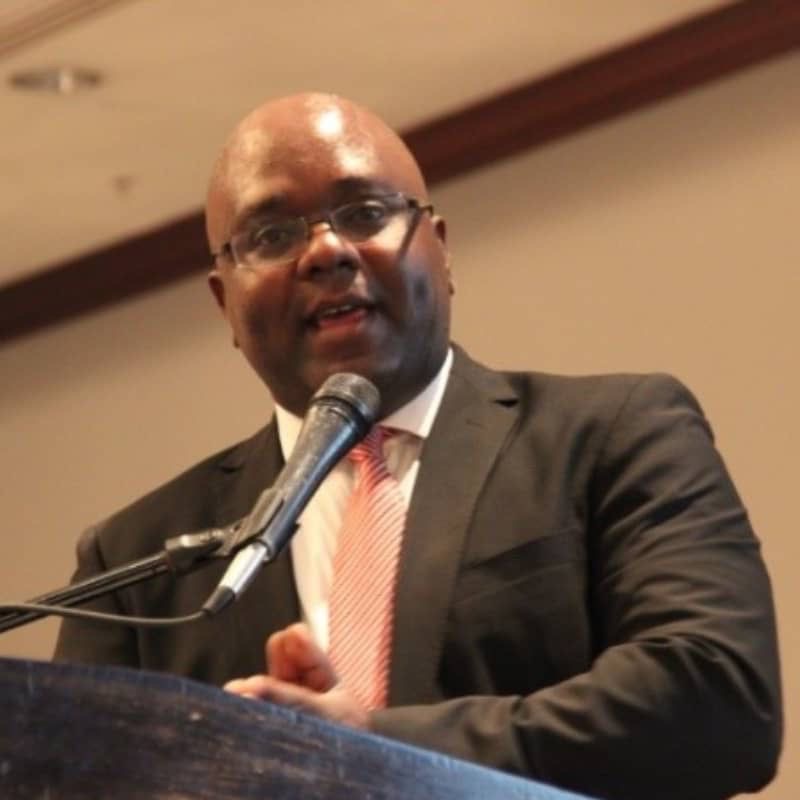
For Wilkens Vital, Secretary General of the Bon Citoyen organization, the security situation remains the first obstacle: « The country has not had elections since 2017. The two largest departments are 90 per cent controlled by armed gangs. How can we talk about a credible vote? »
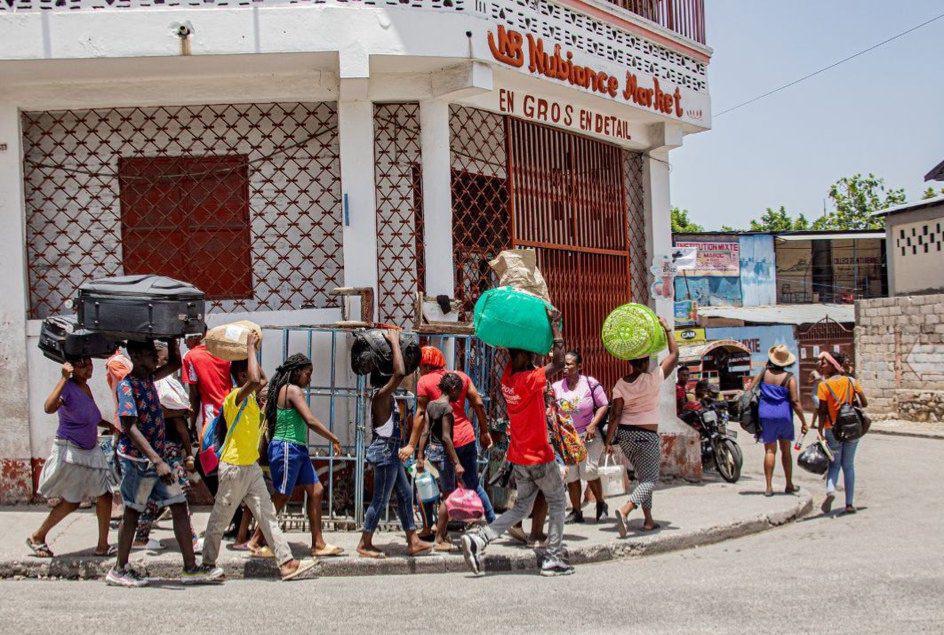
The besieged territories, the closed roads and the millions of displaced persons make electoral preparations difficult. The National Police of Haiti (PNH), led by commanders who succeed each other without visible results, still struggles to take over any strategic territory. The deployment of the international force, announced for more than a year, remains uncertain.
A fragile and contested electoral system
Beyond security, Wilkens Vital insists on the lack of technical credibility: « The voting and counting system is already fragile even in normal times: mistakes in the PV, missing sheets, lack of training... How can we expect a reliable vote? »
This perception feeds what he calls a « widespread popular mistrust ». Many citizens believe that « the system is biased, corruptible, manipulated ». Others go further, saying that « Since Ertha Pascal-Trouillot, it is no longer about elections but about selections ».
A population discouraged and hostile to the process: "I will not vote in this century"
One of the most striking elements remains the total loss of confidence in democratic participation. Some claim: « I will not vote in this century or the next century. No one is going to risk his life for leaders who take international dictations. »
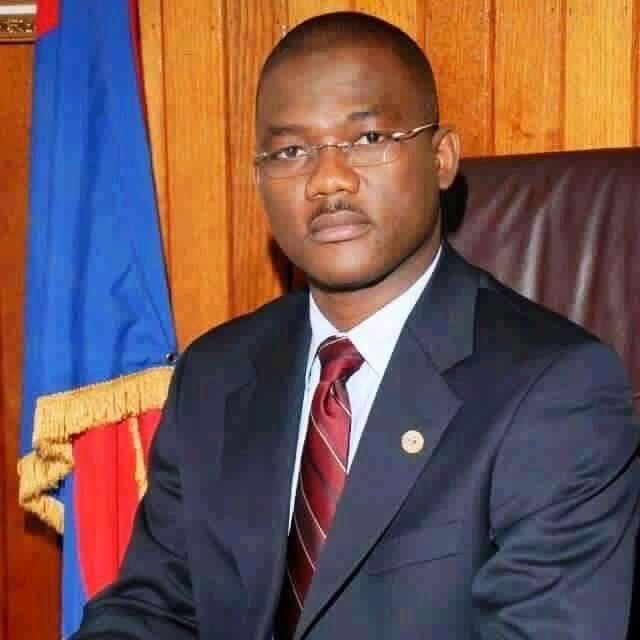
For John Mary Auguste, a young political activist, trust is the determining factor: « Until voters feel safe and respected, participation will remain low. Even with a timetable, nothing is possible without credibility and peace. »
The CEP, a central but widely contested actor
The CEP has submitted to the Government an electoral decree and a timetable to formally launch the process. A Council of Ministers is announced to consider this document.
But John Mary Auguste warns: « An electoral decree without consensus, produced by a disputed CEP, cannot reassure the population or political actors. »
According to him, holding elections without a solid base would only produce « a contested ballot, therefore unnecessary ».
The voices of the victims: "These people in power don't inspire any hope"
The testimonies also come from the victims of the violence. Anita Jaboint, a merchant and shot wounded during the attacks in Carrefour-Feuilles, clearly states: « I have no hope in these people in power. But I think Mrs Ertha Pascal-Trouillot could still bring the country together to hold elections. »
For her, the current insecurity should not prevent elections if the population is really ready and united: « When all the people agree, no force can prevent a vote ».
International pressure deemed invasive: between diplomatic leverage and "hypocrisy"
Diplomatic pressure, particularly from the United States, is increasing to ensure that elections are held in 2026. Washington is threatening new targeted sanctions against those who obstruct the process.
But this dynamic creates strong tensions. Wilkens Vital even recalls a statement by Daniel Foote, former United States Special Envoy: « The United States must let the Haitian people decide who should lead it. »
Jean Osias, a young diplomat and writer, goes even further: « Haiti faces an international plot. Foreign powers contribute to destabilization while pretending to help. It's diplomatic hypocrisy. »
Between democratic urgency and material impossibility: what path?
All the actors interviewed agree on one point: Haiti needs elections, but not under any conditions.
Wilkens Vital proposes a clear roadmap:
-to restore safety;
-disarm gangs;
-strengthening electoral institutions;
- establishing a credible timetable;
-promoting inclusion and transparency.
For John Mary Auguste, the conclusion is obvious: « We need elections, but above all good elections. Not under pressure, not in haste, not in fear. »
As long as security, confidence and cohesion are not guaranteed, the country will remain a prisoner of an electoral impasse that further undermines its democratic future.
W.A.