








©️IN Climate change
Belém, November 13, 2025.- For the first time in the history of the United Nations (UN) climate conferences, COP30 in Belém, Brazil, places the fight against climate disinformation at the heart of its agenda. On Wednesday, 12 November 2025, the Global Initiative for Information Integrity launched an international declaration already approved by ten countries, aimed at protecting access to reliable scientific information, supporting journalists and researchers at risk, and countering climate denial, which hampers public policies.
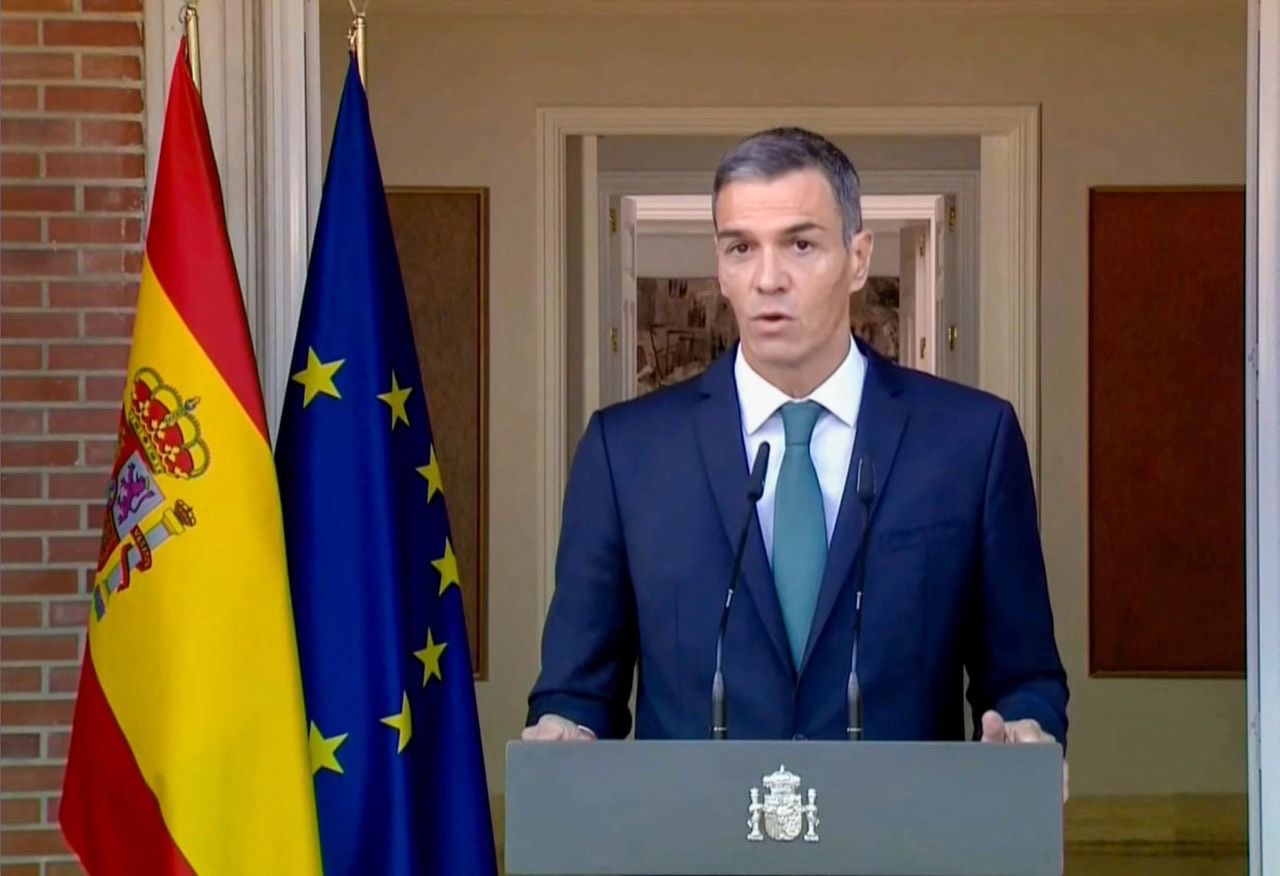
Meeting in Belém, leaders from ten countries including Brazil, France, Germany, Canada and Spain endorsed the Declaration on the Integrity of Climate Information, developed with civil society. It imposes commitments on signatories to ensure accurate and evidence-based information in accordance with international human rights law and the Paris Agreement.
Lula, Guterres and UNESCO ring alarm
« Climate change is a tragedy of the present », denounced Brazilian President Luiz Inácio Lula da Silva, calling to defeat denial. UN Secretary-General António Guterres urged the fight against greenwashing, misinformation and harassment of researchers and journalists.
For Audrey Azoulay, UNESCO's outgoing Executive Director, ensuring access to reliable information is essential to mobilize societies and protect those who investigate « sometimes at risk of their lives ».
The Declaration calls on States to support a sustainable media ecosystem, build capacity to combat misinformation, ensure equitable access to reliable climate data and integrate information integrity into UNFCCC action programmes. It also recommends that more funding be given to research on information integrity, particularly in the South.
Four new countries, Belgium, Canada, Finland, Germany, join the Global Initiative, bringing the total to thirteen states. The Global Information Integrity Fund has already received 447 proposals from nearly 100 countries and is funding a first wave of projects with an initial contribution of $1 million from Brazil, with strong participation from developing countries.
W.A.