


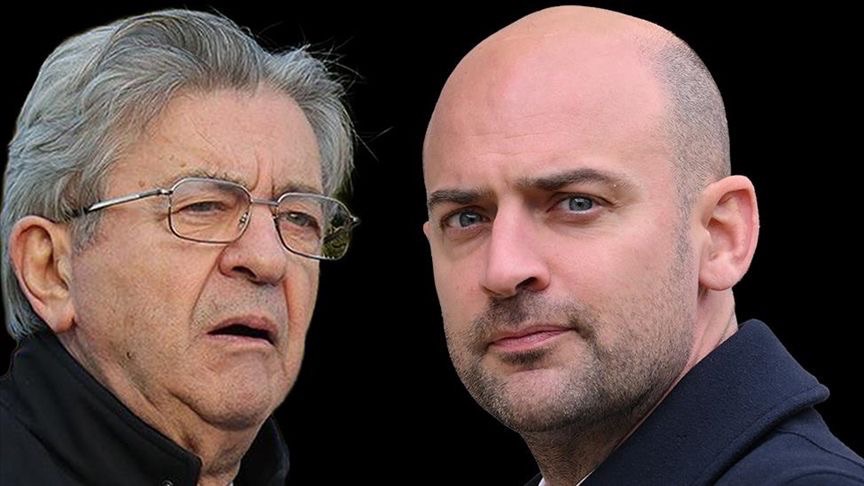
Paris, January 21, 2026.- Invited on the plateau of Caroline Roux to discuss the international geopolitical situation, Jean-Noël Barrot, Minister for Europe and Foreign Affairs, and Jean-Luc Mélenchon, leader of the unsuspecting France, delivered two contrasting but converging readings on a key point: the world is entering a breaking phase. Between firmness in the face of American pressure, the defence of European sovereignty and the call for non-alignment, the issues of peace, security and international order were at the heart of the discussions.
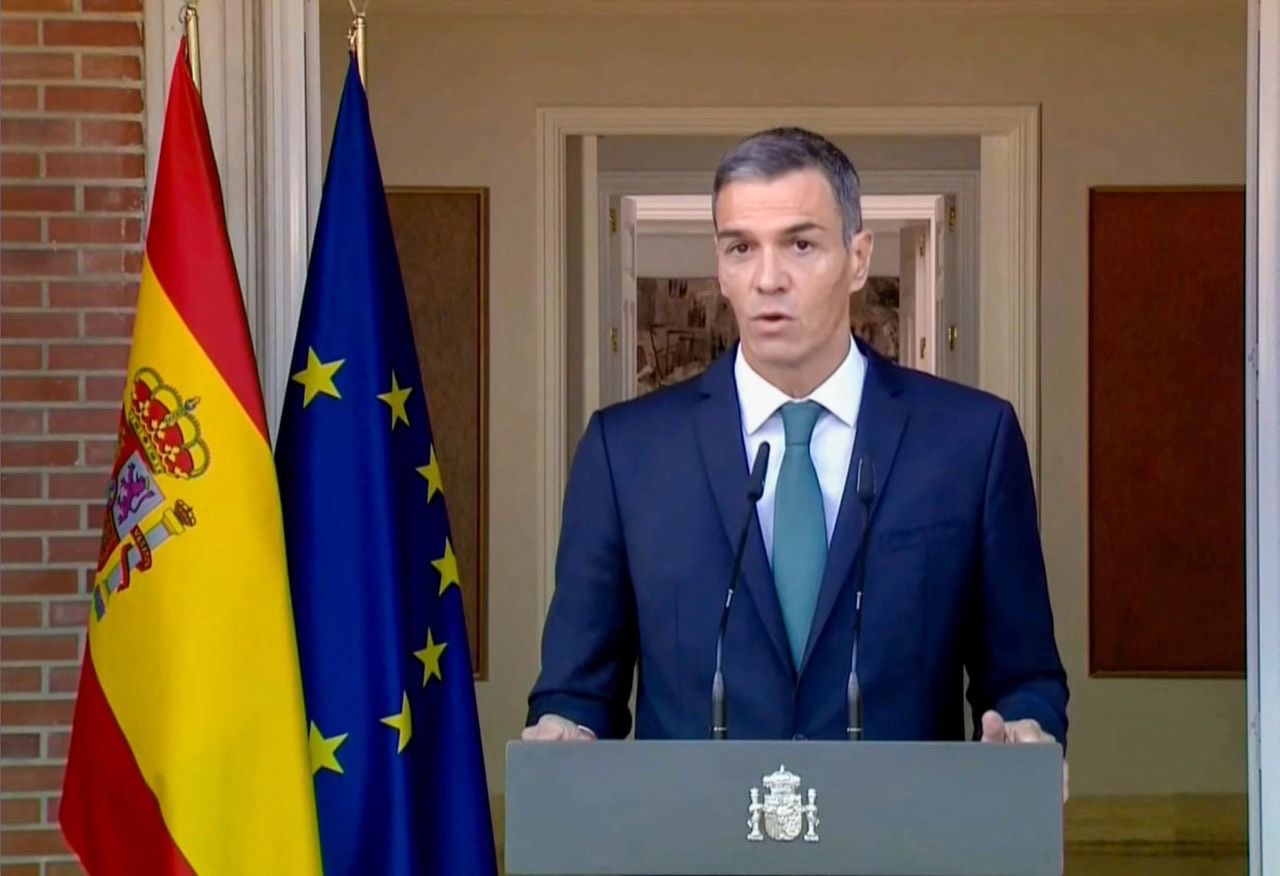
Jean-Noël Barrot strongly reaffirmed France's position on the international scene: Paris does not give in to blackmail and will never give in. While recalling the historic alliance with the United States and the recognition of the American sacrifice during the Second World War, the head of French diplomacy insisted on a sovereignty which he judged « indivisible », both for France and for other nations.
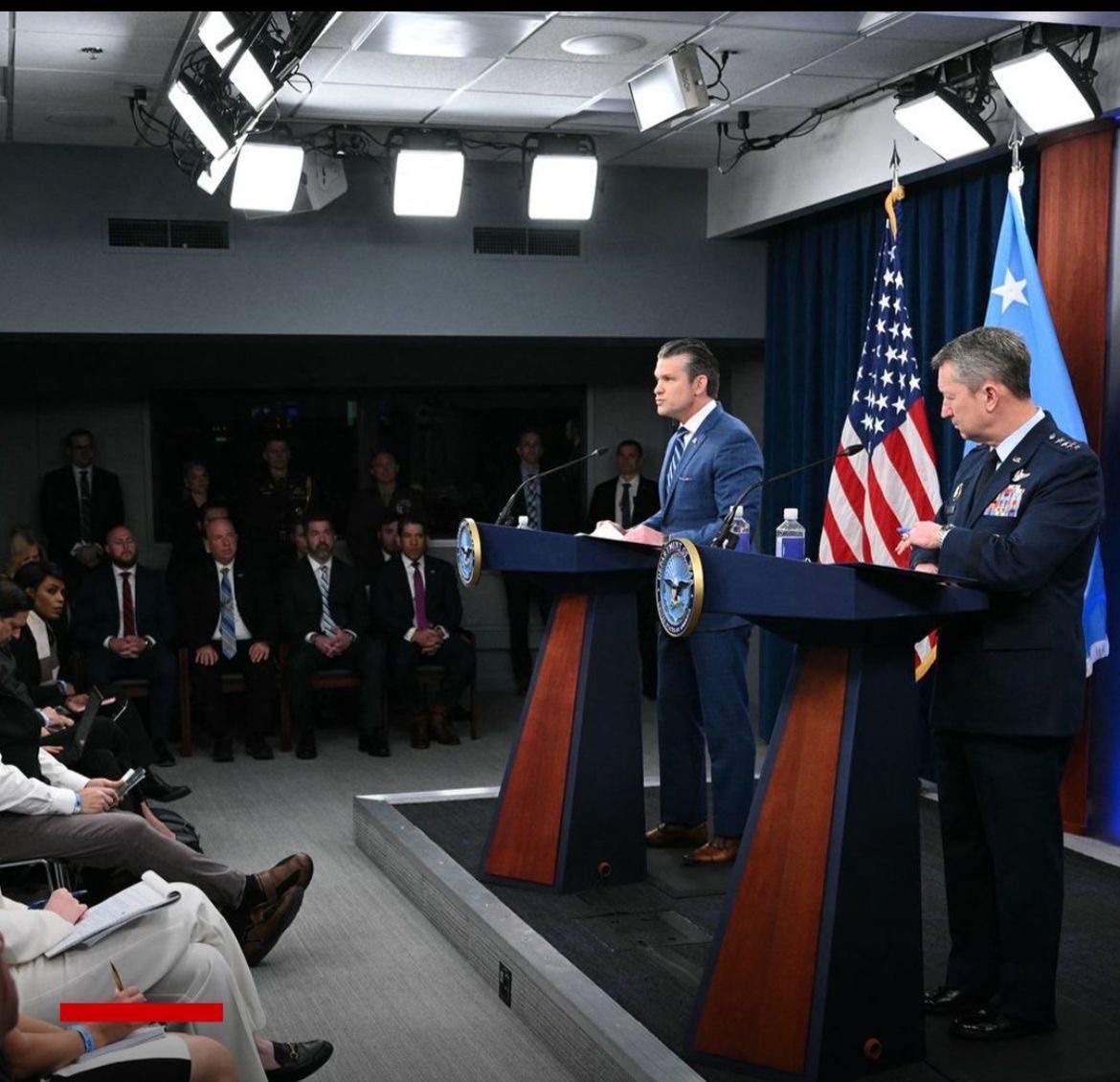
However, the minister has drawn clear red lines: refusal to challenge the European territorial integrity protected by NATO, opposition to sanctions against European officials, rejection of trade pressure and blackmail at customs duties. While supporting the peace plan presented by the US President, Jean-Noël Barrot rejected any initiative to create an international structure to replace the United Nations. In this context, France supports the suspension of the trade agreement with the United States decided by the European Parliament and expresses its readiness to respond to any form of coercion.
For his part, Jean-Luc Mélenchon provided a more radical analysis of the current historical moment. According to him, Donald Trump's repeated threats and the disruption of the Atlantic system open a window of opportunity for the independence and non-alignment of European nations. He welcomed the suspension of the EU-Mercosur agreement as a major victory for food sovereignty, attributed in particular to the action of the Group of France instigated by the European Parliament.
Opposed to any military escalation, the unsubstantiated leader warned against « law of the strongest », which he associates with the risk of nuclear war. He called for a political solution to the Russian-Ukrainian conflict based on mutual security guarantees and democratic consultations of the people concerned. For Jean-Luc Mélenchon, the current crisis marks « the end of a world » and must allow France to become a vanguard of non-alignment, in the face of projects which it considers dangerous, in particular the idea of « Council for Peace » potentially marginalizing the UN.
W.A.