







Pétion-Ville, March 13, 2026.- Meeting on March 12 at the Karibe Convention Center, the Chamber of Conciliation and Arbitration of Haiti (CCAH) devoted its annual discussion to intellectual property. Jurists, public officials and cultural actors discussed the weaknesses of the Haitian system and the role of arbitration in securing intangible assets.
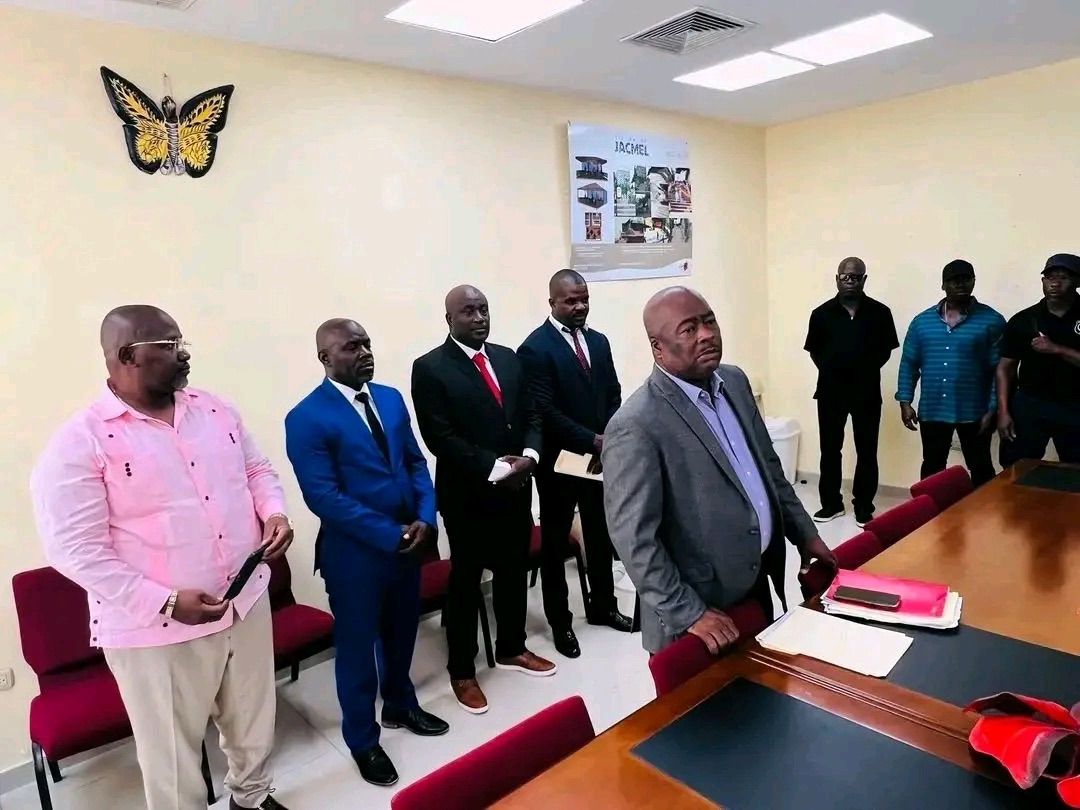
The Chamber of Conciliation and Arbitration of Haiti (CCAH) organized, on Thursday 12 March in Pétion-Ville, a cocktail-causery around the theme: « Intellectual property, innovation and arbitration in the security of intangible assets in Haiti ». The activity was held at the Karibe Convention Center in the presence of lawyers, magistrates, representatives of public institutions, as well as the diplomatic corps, creators and private sector actors.
Unprotected creative wealth
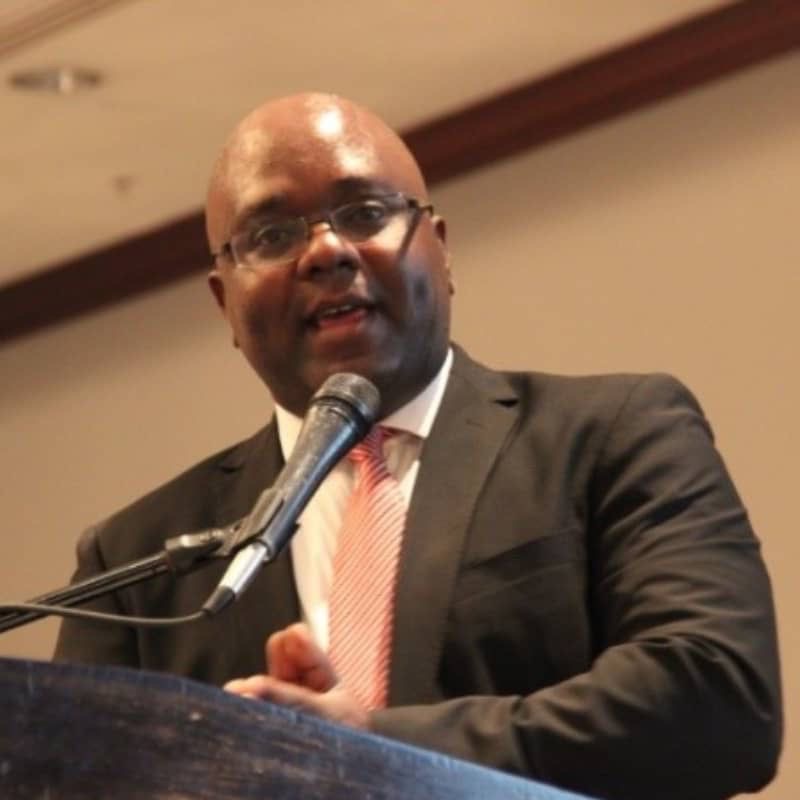
In his speech, the Chair of the CCAH, Maxime D. Charles, emphasized that intellectual property remains a major issue in an economy increasingly dominated by knowledge and creation. According to him, Haiti has significant potential, particularly in the artistic and cultural fields, but protection mechanisms remain insufficient.
He stressed that many creators are not taking the necessary steps to protect their works, while companies are still reluctant to use existing legal tools. This undermines the valuation of intangible assets and limits opportunities for economic development.
Arbitration as an alternative to the courts
Discussions also focused on the role of alternative dispute resolution, including arbitration, in resolving intellectual property disputes. Speakers recalled that these mechanisms allow for faster resolution of certain disputes, while avoiding the slow pace of traditional judicial proceedings.
The CCAH and the Haitian Copyright Office (BHDA) have signed a Memorandum of Understanding to strengthen cooperation between the two institutions. The aim is to provide creators, businesses and innovators with more effective solutions to prevent or resolve conflicts over copyright, trademarks or inventions.
Modernising the legal framework in the face of new challenges
During the panel, several experts referred to the limitations of the current legal framework, some of which are considered outdated in the face of the realities of digital, social networks and the global economy. They called for legal reform to adapt legislation to new forms of creation and dissemination.
Speakers also stressed the need to increase public awareness of the importance of intellectual property, believing that counterfeiting and unauthorized use of works remain frequent in Haiti due to lack of information and sufficient control.
In closing the meeting, the Secretary General of the CCAH, Georges Henry, recalled that the promotion of a culture of conflict prevention and the training of legal professionals remain at the heart of their work.
According to him, the protection of intellectual creations is an essential lever to encourage innovation, secure investment and support the country's economic development.
Drafting