


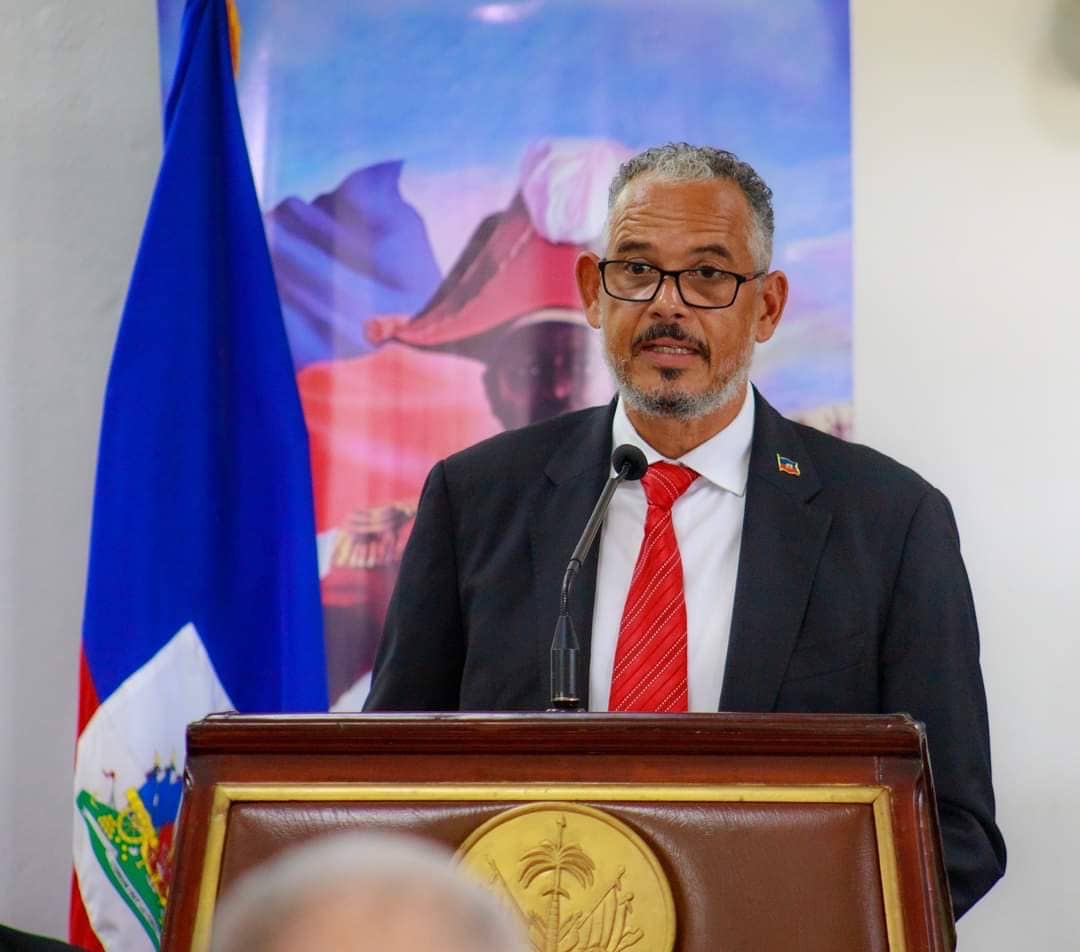
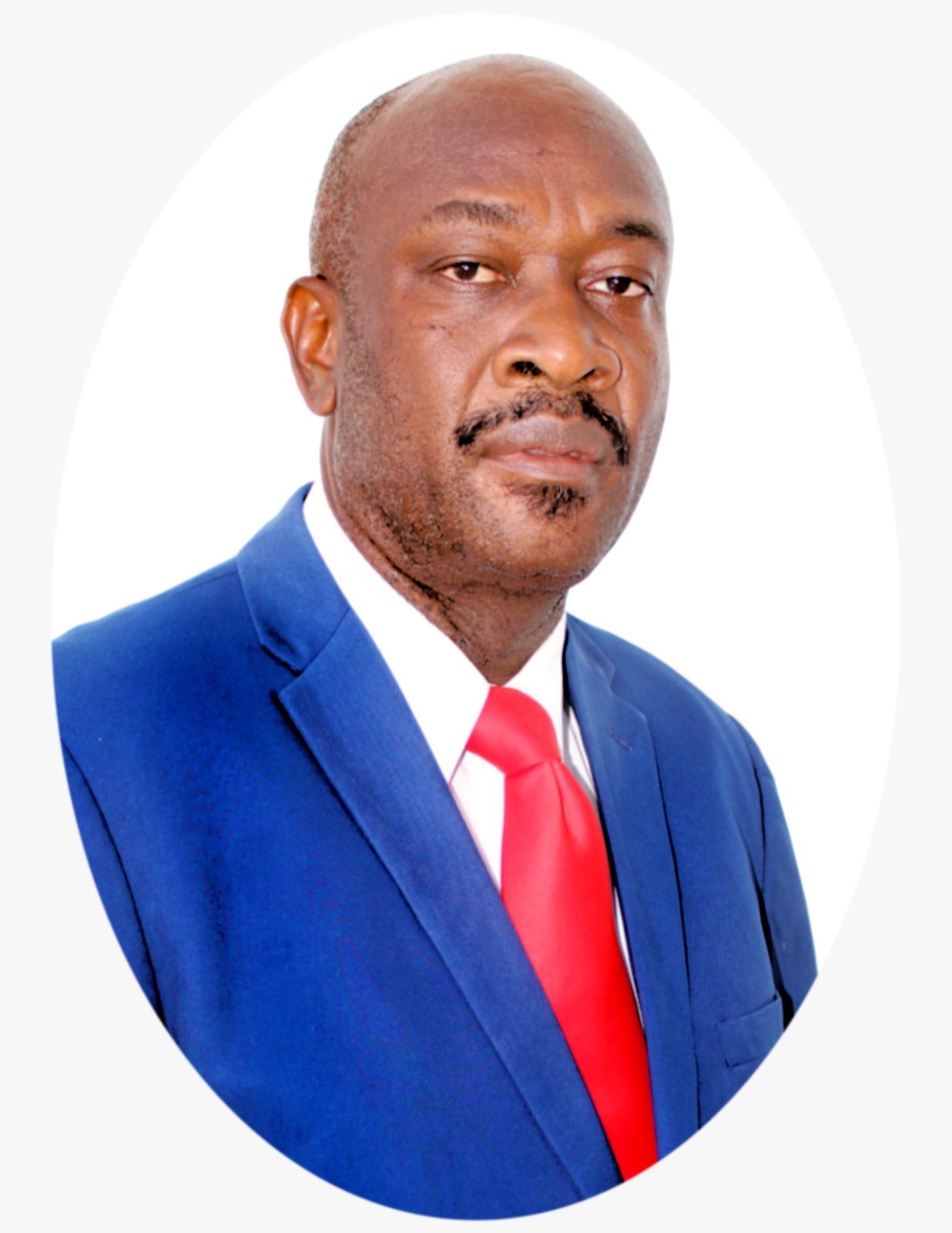
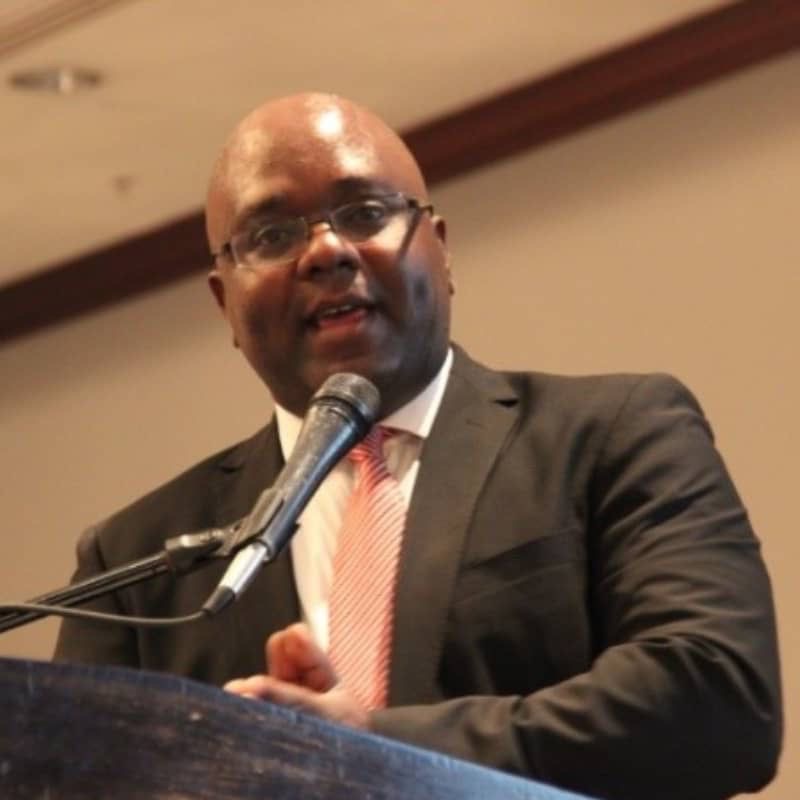



Port-au-Prince, January 5, 2026.- The capture of Venezuelan President Nicolas Maduro by the United States marks a historic turning point in inter-American relations. In an interview with Radio Magik 9 on Monday, January 5, Brazilian professor Ricardo Seitenfus analyses an unprecedented military operation in South America, its geopolitical implications and the fractures that it reveals within Latin American space.
The announcement of the capture of Nicolas Maduro and his wife by American forces continues to provoke strong reactions throughout the world. For Professor Ricardo Seitenfus, a specialist in international relations, this operation is an unprecedented event in the contemporary history of South America.
« This is the first time that the US military has acted openly and violently in South America », he stresses. Unlike the United States' repeated interventions in Central America and the Caribbean, never before had the United States Navy and Special Forces conducted such a direct operation south of the continent.
According to the Brazilian academic, this distinction is fundamental to understanding the scope of the event. While South America experienced indirect interference through clandestine operations such as the Condor Plan in the 1960s and 1970s, no open military intervention had been recorded.
Another key element is the mixed response of countries in the region. Of the 33 states in Latin America and the Caribbean, only five officially condemned the American action. A situation which, according to Seitenfus, reveals « The break-up of the very concept of Latin America » and suggests silent approval by some Governments.
On the accusations of a return to the policy of « Big Stick », inherited from Theodore Roosevelt, Ricardo Seitenfus invites to the nuance. He believes that the American operation is more in a juridico-military logic than in a classical imperialist strategy. Since 2020, he recalls, Nicolas Maduro, his wife and several senior officials have been prosecuted by the US for drug trafficking and money laundering.
The professor also highlights the political isolation of the Venezuelan leader, weakened by contested elections in 2024, the non-compliance with the Barbados agreement, as well as controversial initiatives, including the attempt to annex two thirds of Guyana's territory.
For Ricardo Seitenfus, while the American operation raises serious questions about international law, it is also explained by Nicolas Maduro's political and judicial background, which has become a difficult actor on the international scene.
W.A.