

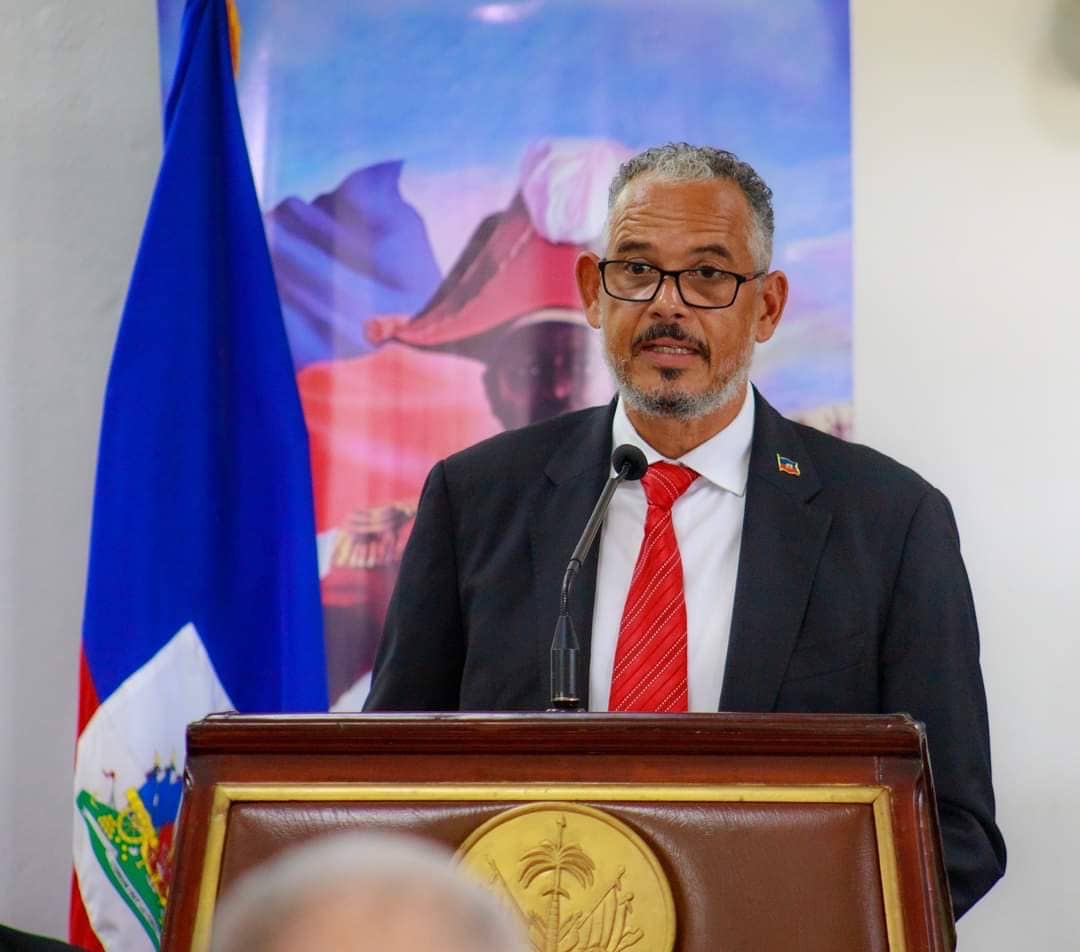




©️Facebook Jean Marie Altema
Port-au-Prince, November 3, 2025. – The draft Electoral Decree 2025, currently subject to consultation, raises serious concerns among Haitian political and digital circles. The text, which is 103 pages long and is structured around 413 articles, contains no specific provisions governing political communication on social networks, a space now central to the dissemination of information and electoral mobilization.
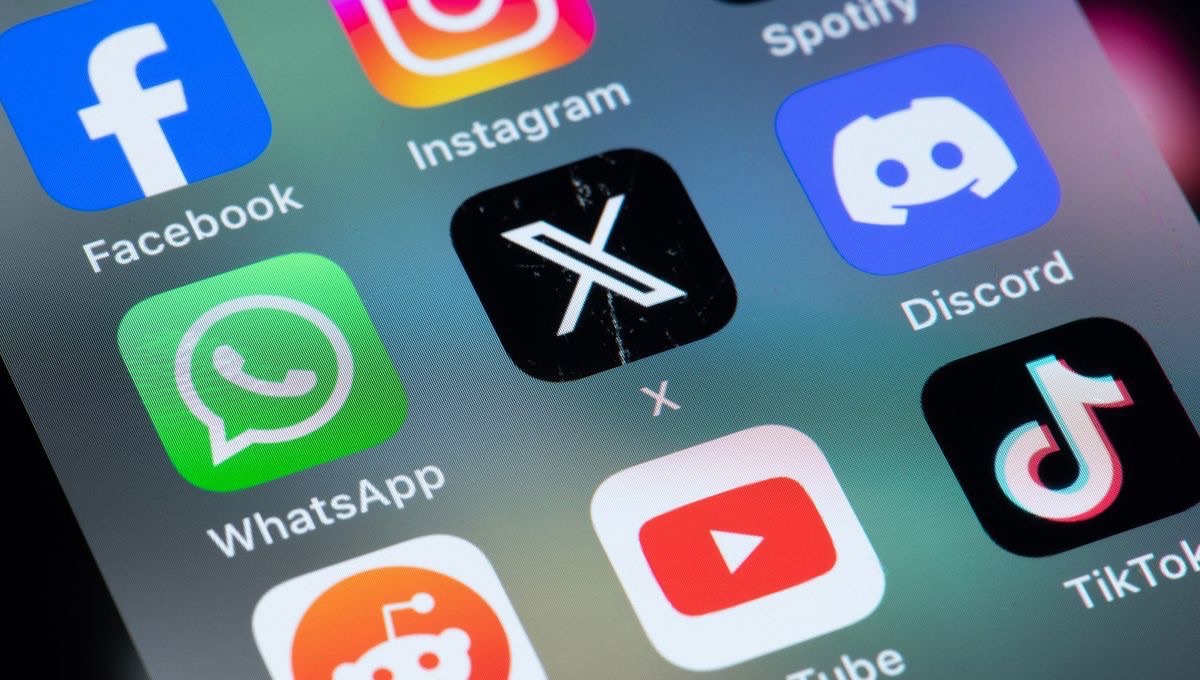
In a context where Haiti has more than 2.65 million users active on social networks, or about 35% of the adult population, according to Jean Marie Altema, the absence of a clear framework leaves the electoral process exposed to major abuses. Facebook, WhatsApp, YouTube and TikTok are today privileged areas for political campaigns, but also for disinformation and manipulation of opinion.
In a context where Haiti has more than 2.65 million users active on social networks, or about 35% of the adult population, according to Jean Marie Altema, the lack of a clear regulatory framework exposes the electoral process to worrying abuses. Facebook, WhatsApp, YouTube and TikTok have become essential channels for political campaigns, but also powerful vectors of disinformation and manipulation of public opinion.
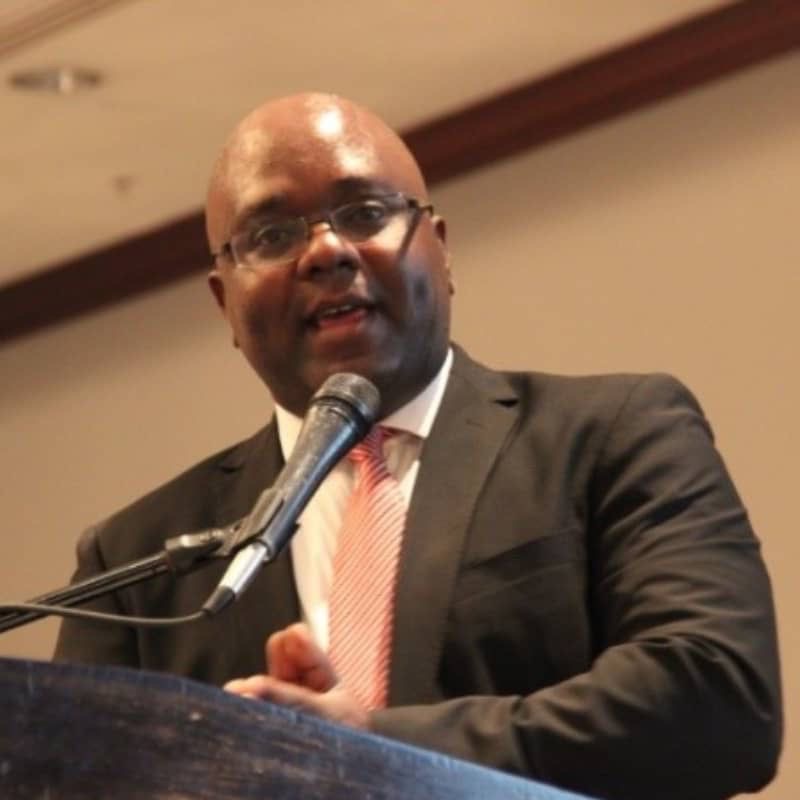
According to Jean Marie Altema, a specialist in strategy and digital governance, this legal vacuum has four major risks:
1) manipulation of opinion by deepfakes and rumours amplified by artificial intelligence;
2) the opaque financing of campaigns through untraceable political advertisements;
3) Digital harassment, especially against women candidates;
(4) the weakening of public confidence in the absence of verification and sanction mechanisms.
To remedy this, Jean Marie Altema recommends that a chapter on digital communication and the fight against disinformation be included in the draft decree. In particular, it calls for greater transparency of sponsored messages, including the advertiser's identity, the amount invested and the targeting criteria. It also proposes the creation of a National Electoral Digital Watch Unit to detect in real time attempts to manipulate opinion on social platforms.
In the digital age, Haitian elections can no longer ignore the growing influence of social networks on political perception and citizen mobilization. The inclusion of specific provisions in Electoral Decree 2025 would enhance the transparency and traceability of online campaigns, while ensuring fairer and more respectful competition. By protecting candidates, especially women, from misinformation and cyberviolence, Haiti would lay the foundation for a safer, more inclusive and forward-looking digital democracy.
R.J.