


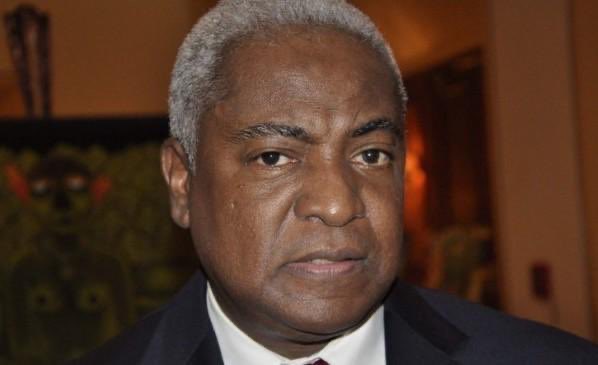
















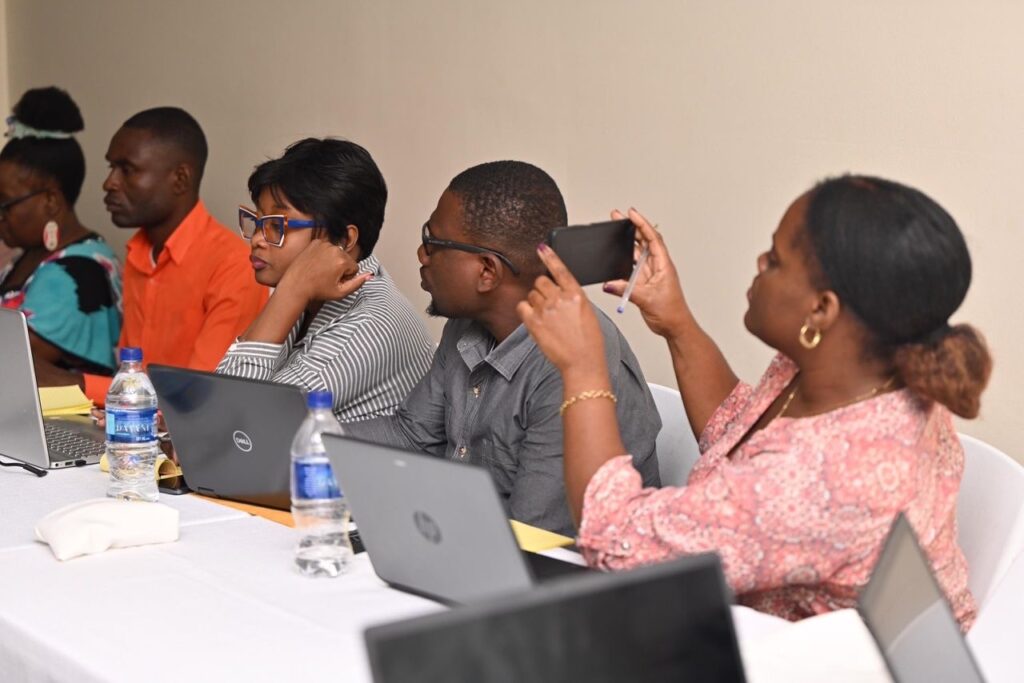
The director of the ESIH, Patrick Attie, takes part in one of the training sessions•©️photo : Ritchie Dejervil – DOF Communications
Pétion-Ville, February 27, 2026.- Artificial intelligence is now at the heart of the strategic reflections of the Ministry of National Education and Vocational Training (MENFP). On 19 and 20 February 2026, in Pétion-Ville, managers from technical directorates, primary (basic) and secondary schools took part in two training days devoted to the practical use of general AI.
The initiative, organised by the InnovEd-UniQ (Institute of Education Training, Research and Innovation – an entity attached to Quisqueya University in Haiti) with the support of UNESCO-BIE (UNESCO International Bureau of Education), under the direction of the Higher School of Infotronics of Haiti (ESIH), is part of the ongoing reform of the Haitian education system. During these sessions, participants worked on practical applications directly related to their responsibilities: production of administrative reports, preparation of presentations, creation of forms, synthesis of strategic documents and design of educational exercises for both primary and secondary education. The issue is clear: understand the tool before integrating it into institutional processes.
AIA serving departmental processes
Patrick Attie, Director of the Higher School of Infotronics of Haiti (ESIH), in his intervention, emphasized the professional uses of artificial generative intelligences. According to him, these tools greatly speed up certain intellectual operations: analyzing dozens of documents to produce a heuristic map, preparing a thematic state of affairs, generating reports or structuring strategies.
He also addressed issues related to false information and digital manipulation, including examples of labial synchronization and generation of multimedia content. For him, the mastery of rapid engineering is essential in order to formulate specific instructions and achieve results tailored to the needs of the department, particularly in the work around the Curricular Orientation Framework (CQO).
Education reform training
Anouk Ewald, Director of InnovEd-UniQ, recalled that his institution supports the professional development of educational actors at all levels. This training responds to a desire to equip managers so that they can effectively support the ongoing reform. She stressed that AI should not be seen as a substitute for human, but as support. It is well used and can build capacity for analysis, planning and innovation.
She also mentioned the importance of preserving the basic skills (critical mind, abstraction, creativity) that develop from primary school onwards and consolidate in secondary school.
Integrate AI into primary and secondary
Les responsables présents ont clairement exprimé leur volonté d’intégrer progressivement l’IA dans les deux grands cycles d’enseignement. Le directeur de l’enseignement secondaire, Fleury Jean-Miguel, a expliqué qu’une orientation existe pour introduire l’intelligence artificielle dans ce cycle. Selon lui, il est indispensable de comprendre ces outils avant leur déploiement. Il estime que l’IA pourrait contribuer à améliorer la gestion pédagogique, soutenir l’apprentissage des élèves du secondaire et accompagner l’automatisation de certaines tâches administratives.
Kendy Nicolas, directeur de l’enseignement fondamental (primaire), a insisté sur l’importance d’intégrer ces technologies non seulement dans les écoles primaires, mais aussi au niveau de l’inspectorat et du bureau central du ministère. Dans le contexte d’une vaste réforme curriculaire, il considère que l’IA peut accélérer la production de documents, faciliter le suivi des élèves et appuyer la progression des apprentissages au primaire comme au secondaire. Il a également souligné que ces formations permettent de dépasser la crainte souvent associée aux nouvelles technologies.
Par ailleurs, le directeur du Curriculum et de la Qualité (DCQ), Gétheau Lindor, a comparé les débats autour de l’IA aux réactions suscitées par les grandes révolutions technologiques du passé. Selon lui, l’IA élargit les capacités humaines plutôt qu’elle ne les remplace. Pour les directions techniques, elle représente un outil d’optimisation de la planification, de la recherche et du pilotage stratégique du système éducatif.
Des résultats concrets en deux jours
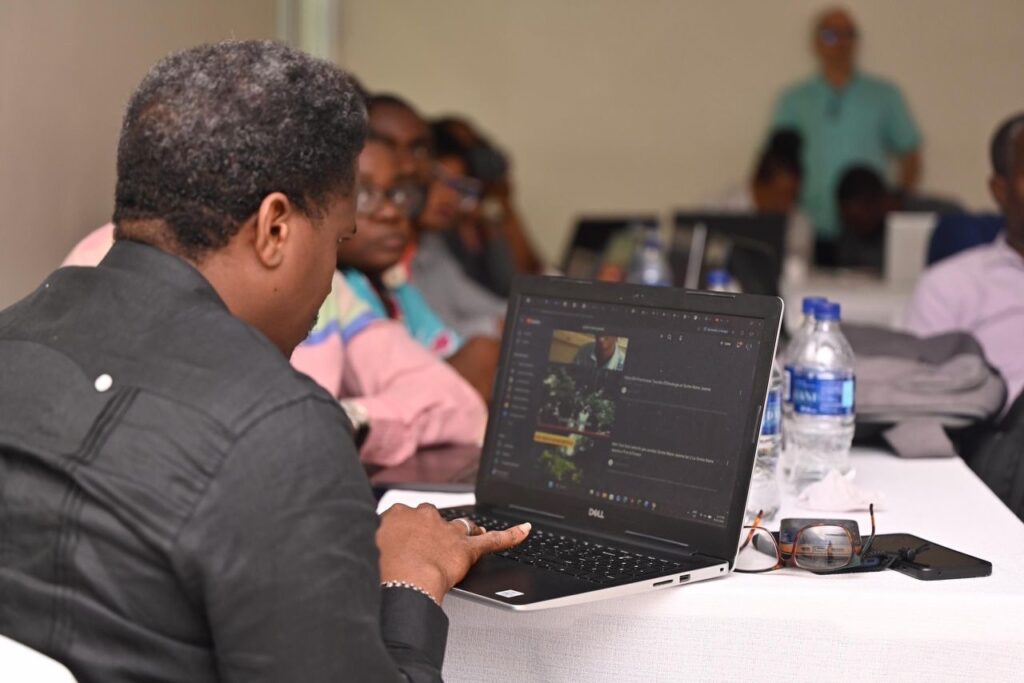
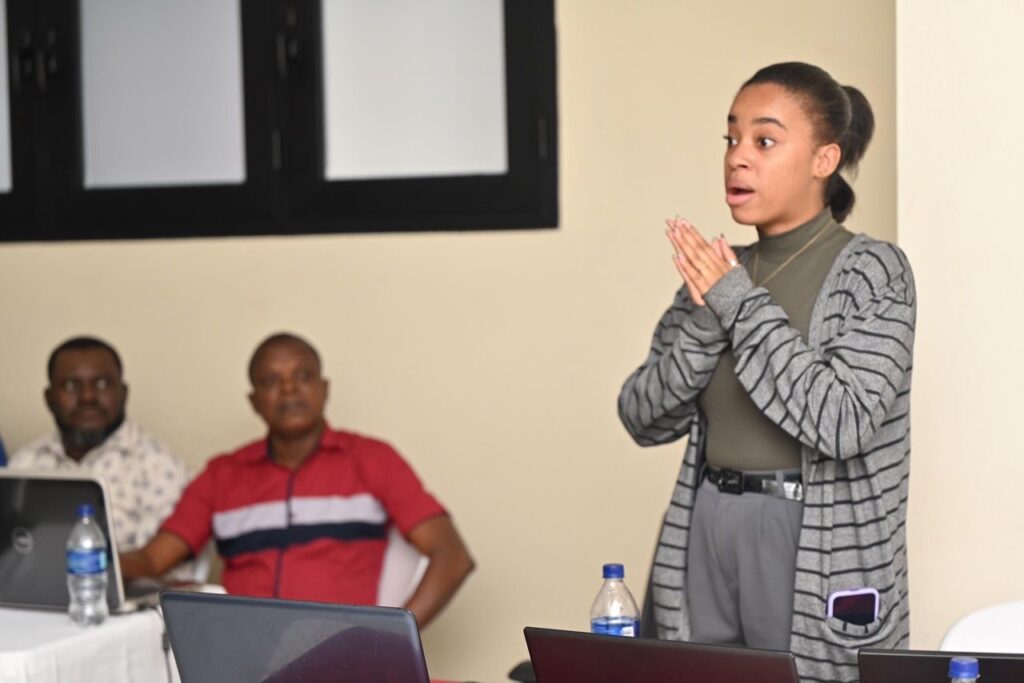
Les séances, animées notamment par la formatrice Alyssa Jean-Pierre, ont permis aux participants de manipuler directement des outils comme ChatGPT. Ils ont appris à structurer leurs requêtes, à produire des documents cohérents en peu de temps, à créer des supports pédagogiques utilisables au primaire et au secondaire et à générer des analyses stratégiques.
Plusieurs cadres ont démontré qu’il est désormais possible de réaliser en quelques heures des tâches qui prenaient auparavant plusieurs jours. Cette réduction du temps de production est perçue comme un atout majeur pour accompagner la réforme éducative et renforcer l’efficacité institutionnelle.



Q.A.