


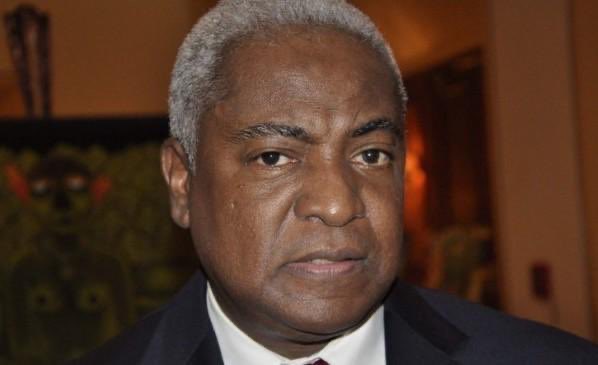
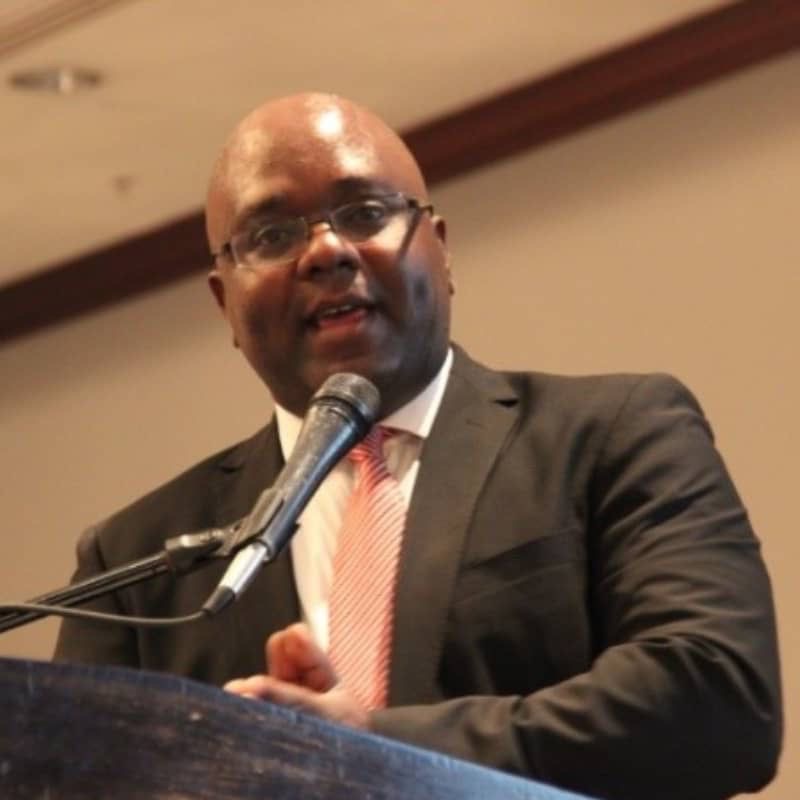



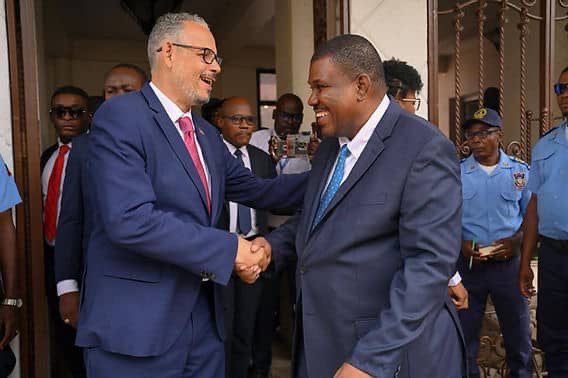
Prime Minister Alix Didier Fils-Aimé (left) and President of the CEP, Jacques Desrosiers•©️photo : Primature
Port-au-Prince, March 24, 2026.- An Order in Council of Ministers amends the mandate of the Provisional Electoral Council (CEP), leading to a revision of the electoral calendar, the legal framework and the election budget. This decision introduces new requirements related to the National Pact and casts uncertainty on the conduct of the elections within the original deadline.
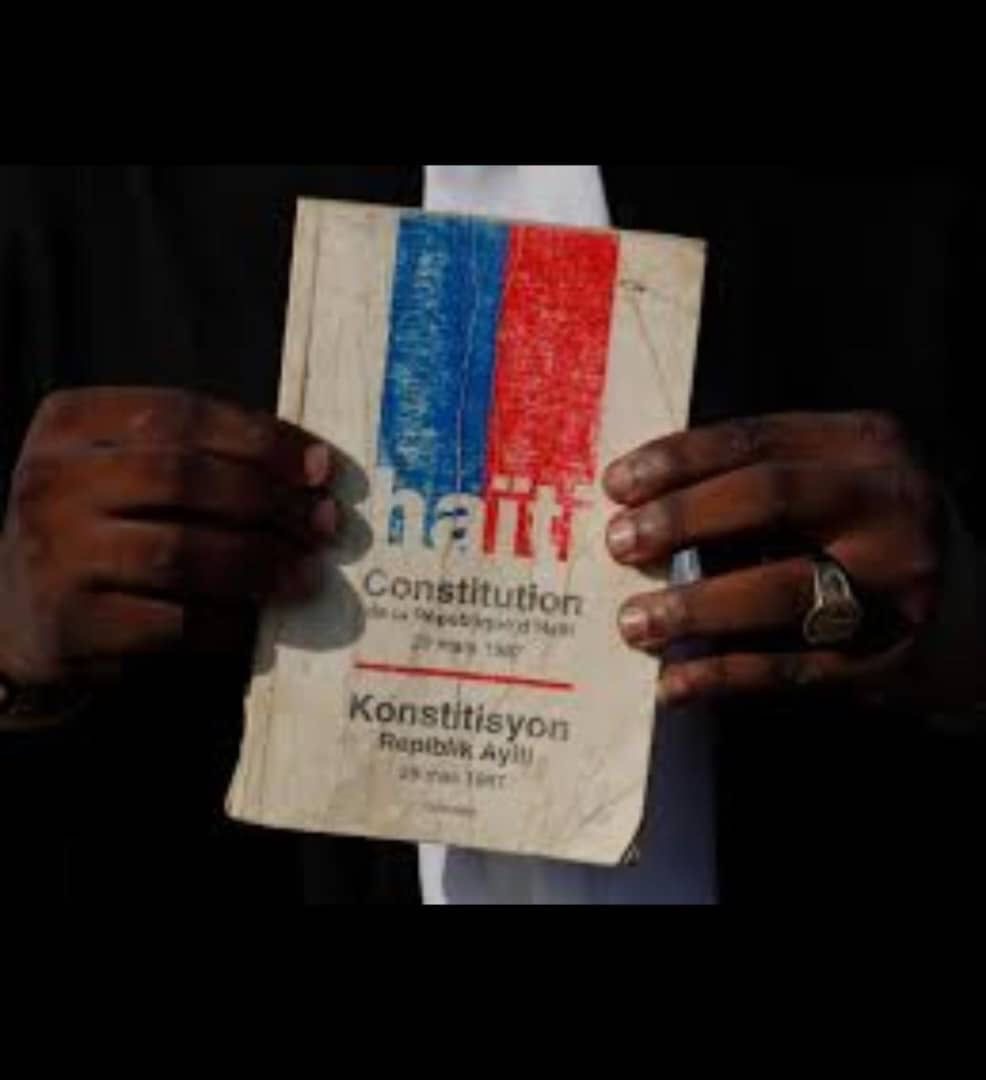
On 20 March 2026, the Haitian Executive adopted a decree redefining the powers of the Provisional Electoral Council (CEP). The Act requires the electoral institution to implement articles 12 and 14 of the National Pact for Stability and the Organization of Elections, including limited constitutional amendments and popular ratification in the first round.
This new direction requires the CEP to review several key parameters of the electoral process. According to an internal source, a new electoral decree will have to be drafted, while the initial timetable will be adjusted. In particular, there is uncertainty about the start of the voter registration process, initially set at 1 April 2026.
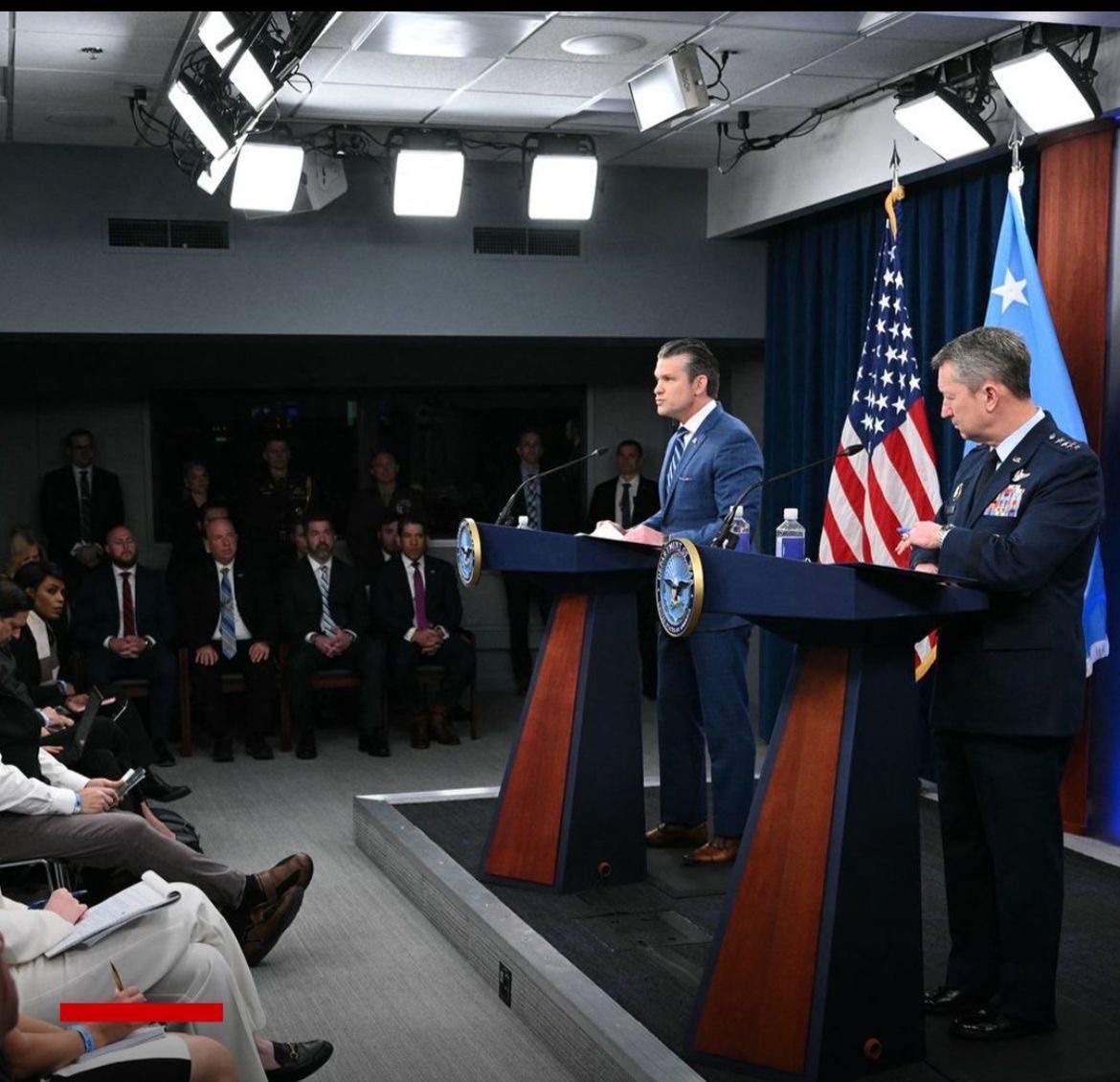
These changes could delay the organization of general elections, in a context where national and international pressure remains strong for a return to constitutional order. The United States had recently expressed its willingness to accompany the Haitian authorities in the stabilization of the country and the holding of the elections, without however mentioning constitutional reform.
On this point, the CEP states that it will not be involved in drafting any constitutional amendments. Its role will be limited to organizing the popular consultation allowing citizens to decide on the proposed changes.
At the same time, the electoral process is proceeding on certain aspects. The final list of political parties entitled to participate in the next elections is due to be published on 26 March. Of the 320 registered parties, audits are underway in collaboration with the Department of Justice.
In this dynamic, Prime Minister Alix Didier Fils-Aimé chaired a strategic meeting on the election budget on 23 March. The meeting brought together government members, CEP and several international partners, including representatives of the United Nations, UNDP, UNOPS and OAS.
The authorities maintain their commitment to free, inclusive and transparent elections. However, recent institutional adjustments highlight the complexity of the process and the continuing challenges of its organization within the announced timeframe.
W.A.