



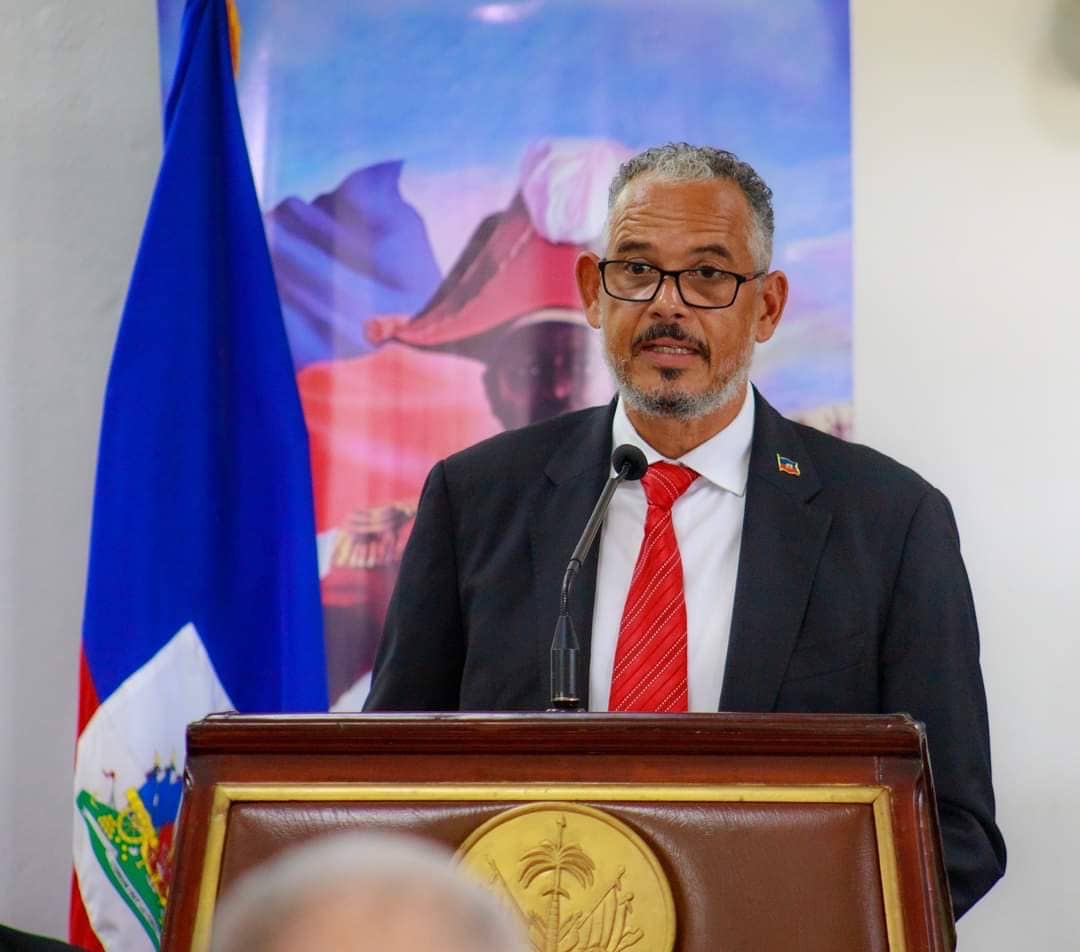







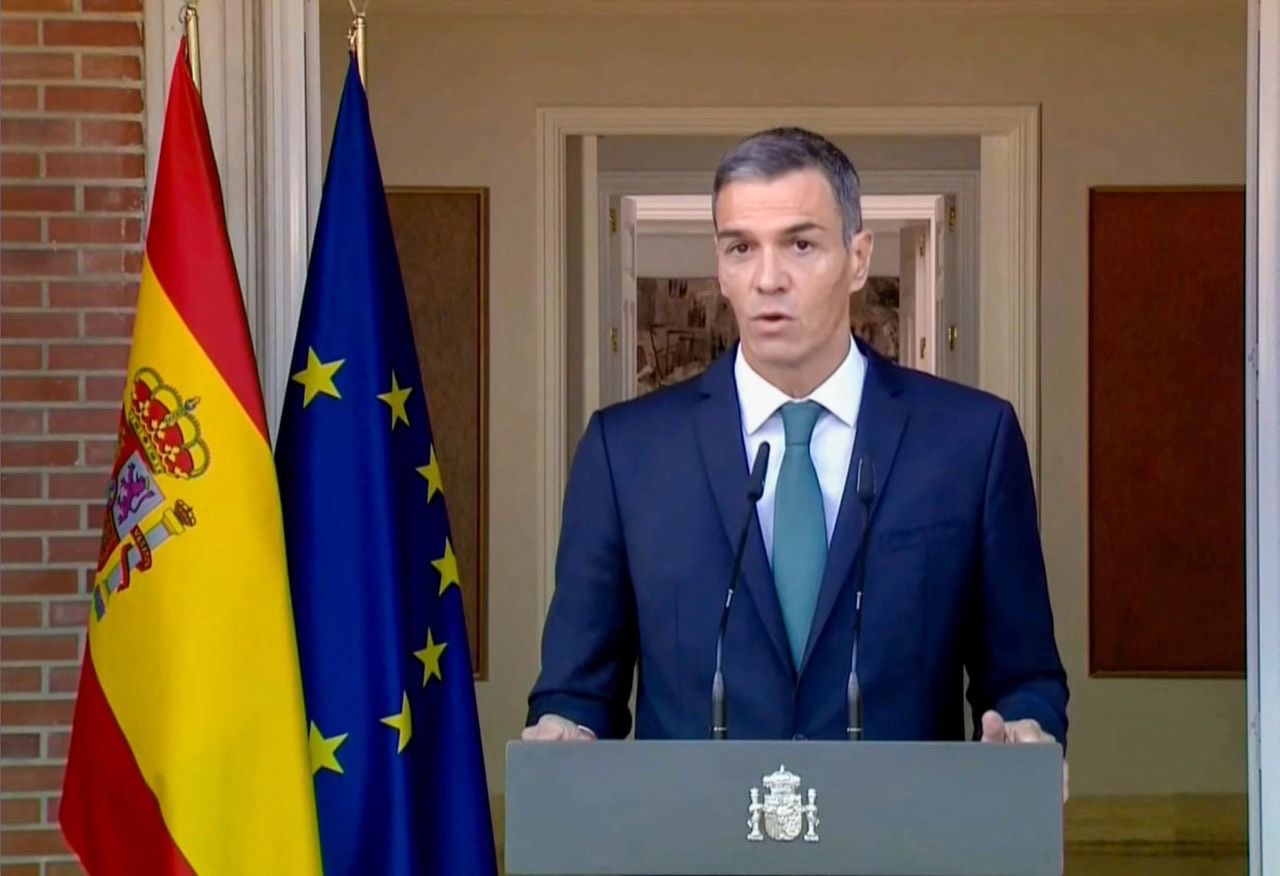


The President of El Salvador, Nayib Bukele•©️AFP
San Salvador, 1 August 2025.- On Thursday 31 July, the Salvadoran Parliament approved a major constitutional reform, led by President Nayib Bukele's camp. Adopted by 57 pro-government deputies against 3 opposition votes, the reform removes the limitation on the number of presidential terms, extends the term of office from five to six years, eliminates the second ballot and provides for the simultaneous holding of all elections from 2027.
According to the new provisions, Bukele's current mandate will end in 2027, two years before the initial deadline, in order to synchronize the elections. The accelerated procedure leading up to this vote has raised serious criticism, notably from human rights organisations, which denounce the weakening of democratic institutions.
MP Ana Figueroa, President's Support, welcomed reform « historical »affirming that the people remain the only judge of the duration of presidential power. Conversely, the opposition denounces authoritarian drift. MP Marcela Villatoro said « democracy died in El Salvador », accusing the majority of wanting to establish an autocratic regime.
Bukele is very popular in his country, thanks in particular to its strict security policy against gangs. Since the introduction of the state of emergency in 2022, nearly 87,000 people have been arrested without a warrant. Non-governmental organizations (NGOs) such as Cristosal and Socorro Jurídico, however, report abuses, referring to abusive detentions and about 430 deaths in detention.
Re-elected in 2024 with 85 per cent of the vote after being allowed to stand by a Supreme Court acquired in his case, Bukele continues to consolidate power. This reform is part of an increased crackdown on dissenting voices, which has led many journalists and activists to leave the country. Human Rights Watch warned against a drift towards an authoritarian regime comparable to Venezuela.
With this constitutional revision, El Salvador joins a list of countries with a wide range of political systems, raising both popular support and deep concern about the democratic future of the nation.
W.E.